If your home feels chilly even with the heating on, the windows are often a big part of the problem. Choosing the best windows for insulation is not just about thicker glass or a smart-looking frame – it is about how the whole window performs once it is fitted in your home.
Older or poorly fitted windows can let warmth escape, create draughts and make rooms harder to heat evenly. That affects comfort as much as cost. For most homeowners, the right choice comes down to balancing thermal performance, budget, appearance and long-term reliability.
What makes the best windows for insulation?
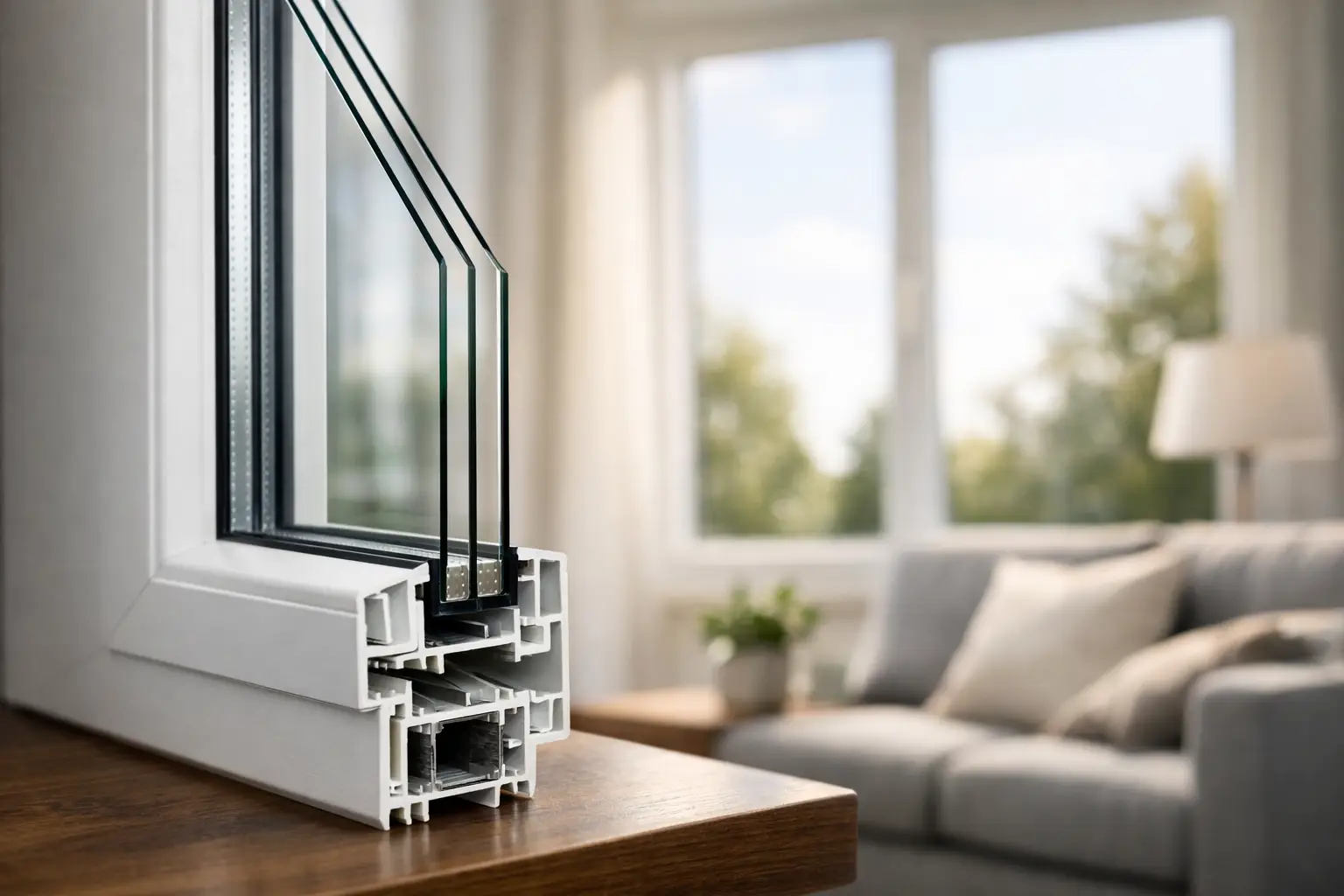
When people compare windows, they often focus on the glazing alone. In reality, insulation depends on several parts working together, including the frame, the number of panes, the gas between the panes, the spacer bar and the quality of the installation.
A well-insulated window reduces heat loss from the inside to the outside. In winter, that helps keep rooms warmer for longer. In summer, good glazing can also help reduce excess heat gain, although insulation matters most to most UK households during colder months.
You will usually see thermal performance described with a U-value. The lower the U-value, the better the insulation. Energy ratings are also useful, but they should not be looked at in isolation. A window with a good rating on paper still needs to be properly manufactured and fitted to perform as expected.
Double glazing or triple glazing?
For many homes, modern double glazing offers an excellent balance of insulation, value and practicality. It is a major improvement on old single glazing and older failed double glazed units. A good double glazed window with a quality frame and low-emissivity glass will suit a large number of properties.
Triple glazing can improve insulation further, but it is not automatically the best option for every house. It is heavier, usually more expensive and the gains are not always dramatic enough to justify the extra cost, particularly if the rest of the property still loses heat through walls, doors or loft insulation.
In exposed locations, larger homes or properties where energy efficiency is a top priority, triple glazing may be worth considering. For many homeowners, though, high-quality double glazing fitted well will make the biggest practical difference.
Best window frame materials for insulation
The frame matters more than many people realise. Even the best glazing unit can be let down by a poor frame choice.
uPVC windows
uPVC remains one of the most popular choices for insulated windows in the UK, and with good reason. It offers strong thermal performance, requires very little maintenance and is generally more cost-effective than timber or aluminium.
Modern uPVC windows are a long way on from older styles. Multi-chambered profiles help trap heat, and quality systems are designed to reduce draughts and improve overall energy efficiency. For many households, uPVC gives the best combination of insulation, durability and price.
Timber windows
Timber is a natural insulator and can perform very well when properly made and maintained. It can also suit period properties where preserving character matters. The trade-off is upkeep. Timber needs more regular care than uPVC, and costs are often higher.
If appearance is a key concern, timber may still be the right choice. But from a straightforward value-for-money point of view, many homeowners prefer the lower maintenance of uPVC.
Aluminium windows
Aluminium is strong, slim and modern-looking, but it is not naturally as insulating as uPVC or timber. That said, modern aluminium windows with thermal breaks are far better than older designs and can still achieve very good energy performance.
They tend to suit contemporary homes and commercial properties especially well. If your priority is maximum insulation at a sensible price, uPVC usually comes out ahead. If sightlines and style matter just as much, aluminium may still be worth considering.
The glazing features that really matter
If you want the best windows for insulation, it helps to know which features actually improve performance and which are just sales language.
Low-emissivity glass, often called low-E glass, is one of the main things to look for. It has a special coating that reflects heat back into the room while still allowing natural light through. That improves efficiency without making the home feel dark.
Gas-filled units also help. Many double and triple glazed windows use argon between the panes because it reduces heat transfer better than air. Warm edge spacer bars are another useful detail. These sit around the edge of the sealed unit and help reduce heat loss and condensation around the perimeter.
All of these features work best when combined in a properly designed unit. A cheap window may advertise double glazing, but that does not mean it will perform like a better-made product with the right specification.
Why installation matters as much as the window itself
A high-performing window fitted badly can still leave you with draughts, cold spots and wasted heat. Gaps around the frame, poor sealing and rushed finishing can undermine the whole job.
That is why installation should never be treated as an afterthought. Accurate measuring, proper fitting and careful finishing all play a part in how well your windows insulate over time. It is also one reason many homeowners prefer dealing with a local company that uses its own fitters rather than subcontracting the work.
Good installation does not just improve warmth. It helps with noise reduction, security and lifespan too. A cheaper quote can stop looking cheap very quickly if the windows need remedial work later.
Choosing the right insulated windows for your property
The best option depends on the age and style of the property, your budget and what problem you are trying to solve.
If you are replacing old single glazed windows, almost any modern energy-efficient window will feel like a significant upgrade. If you already have ageing double glazing, the question becomes whether the units have failed, whether the seals have worn out or whether the whole frame is no longer performing properly.
For standard family homes, quality uPVC double glazed windows are often the most sensible choice. They offer strong insulation, low maintenance and solid value. For premium projects, larger openings or homes exposed to harsher weather, triple glazing or thermally broken aluminium may be worth a closer look.
If the property is older or in a conservation-sensitive setting, the right answer may be more specific. In those cases, insulation still matters, but so does keeping the look of the home in character.
Signs your current windows are not insulating properly
You do not always need a thermal camera to spot a problem. If rooms near the windows feel colder than the rest of the house, or you notice condensation forming between panes, there is a good chance your windows are no longer doing their job properly.
Persistent draughts, rising heating bills and outside noise coming through too easily are also common warning signs. Sometimes the issue is the glazing unit. Sometimes it is the frame, the seals or the original fitting. A proper assessment is the best way to know whether repair or full replacement makes more sense.
Cost versus long-term value
It is natural to compare prices, but the cheapest window is rarely the best insulated window. Better materials, stronger profiles and more efficient glazing units cost more upfront, yet they tend to pay you back through comfort, lower maintenance and improved efficiency.
That does not mean you should automatically buy the most expensive option either. The right choice is the one that suits your property and delivers clear benefits without overspending on features you may not really need.
Honest advice matters here. A good installer should explain the difference between options in plain English, not push you towards the highest quote. If you are replacing several windows at once, it is worth asking where your money will make the biggest difference.
So what are the best windows for insulation?
For most UK homes, the best windows for insulation are high-quality uPVC double glazed windows with low-E glass, argon-filled units and warm edge spacer bars, fitted properly by experienced installers. That combination gives excellent thermal performance, reliable durability and sensible value.
Triple glazing can be the better option in some homes, and aluminium or timber may suit certain styles and priorities better. But for many households, a well-made uPVC window is the practical answer that covers warmth, cost and ease of ownership.
If you are comparing replacement windows and want straightforward advice, it is worth speaking to a company that will assess your home properly and explain your options clearly. At CW Doors & Windows, that means honest recommendations, professional workmanship and no hidden costs. You can find out more at https://Www.cwdoors.co.uk.
A warmer home usually starts with getting the basics right – the right window, the right specification and the right fit the first time.