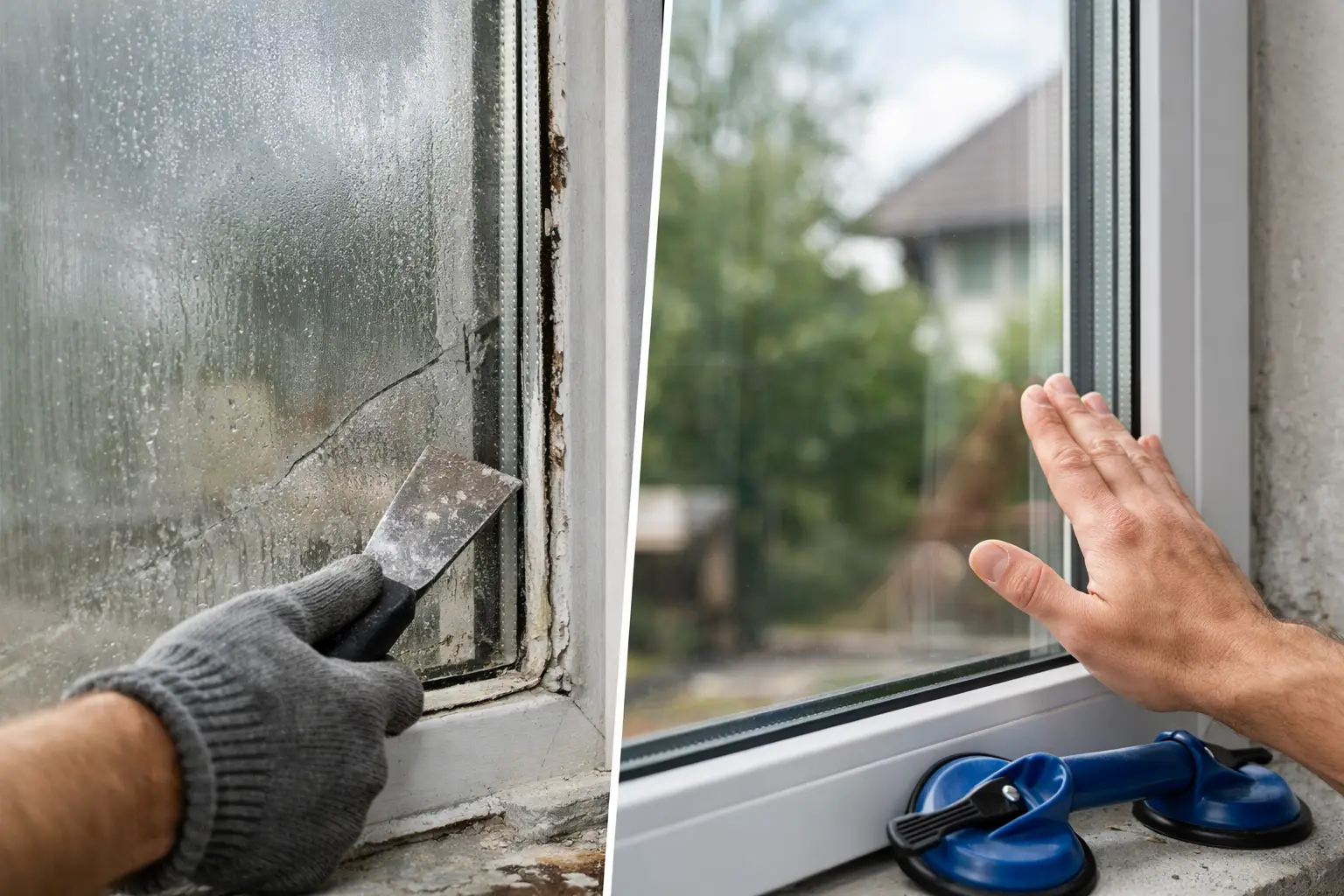
A window can look perfectly serviceable from the pavement and still be costing you money every winter. If you are wondering when to replace double glazing, the answer usually comes down to a mix of comfort, condition, security and running costs rather than age alone.
For some homeowners, the problem is obvious. There is condensation trapped between panes, a draught around the frame or a handle that no longer locks properly. For others, it is more gradual. Rooms feel colder, outside noise seems louder than it used to, and the windows simply do not look or perform as well as they should. Good double glazing should make your home warmer, quieter and more secure. When it stops doing that, it is time to take a proper look.
When to replace double glazing – the clearest signs
One of the biggest warning signs is condensation inside the sealed unit, between the two panes of glass. That usually means the seal has failed and the insulating gas inside has escaped. Once that happens, the unit is no longer doing its job properly. In many cases, the glass unit itself can be replaced without changing the whole frame, but it depends on the condition of the surrounding window.
Draughts are another clear indicator. A properly fitted double glazed window should not let cold air through when it is shut. If you can feel movement around the edges, the issue might be worn seals, poor alignment or a frame that has started to warp. Sometimes this can be adjusted or repaired. Sometimes it is a sign that the window has reached the end of its useful life.
Difficulty opening, closing or locking the window is not just annoying. It can become a security issue. If hinges are failing, handles are loose or the sash no longer sits squarely in the frame, the window may not be giving you the level of protection you expect. Older units can also fall behind modern security standards, which matters if you are thinking about insurance, resale value or simply peace of mind.
Then there is visible wear. Cracked seals, water staining, rotting timber, damaged uPVC or a fogged-up appearance can all point to deeper problems. Some cosmetic ageing is normal, but once deterioration starts affecting performance, replacement often makes more sense than repeated repair work.
How long should double glazing last?
A common question is whether windows should be replaced after a set number of years. In reality, there is no single deadline. Many double glazed windows last around 20 years, and some perform well beyond that if they were installed properly and looked after. Others may need attention sooner because of exposure, poor installation or lower-quality materials.
Age still matters, just not on its own. If your windows are 15 to 25 years old and you have started noticing draughts, condensation or rising heating bills, that is usually a stronger case for replacement than age alone. By contrast, a newer window with a minor hinge or seal issue may only need a straightforward repair.
This is where honest advice matters. A trustworthy installer should tell you whether the problem is isolated to one pane, one mechanism or one frame, rather than pushing for a full-house replacement if it is not needed.
When repair is enough and when replacement is better
Not every glazing problem means starting again. If a handle has broken, a hinge has dropped slightly or one sealed unit has misted up while the frame remains sound, a repair can be the sensible option. It keeps costs down and deals with the immediate problem.
Replacement becomes the better route when issues are widespread or recurring. If several windows are failing, if the frames are tired, or if you have repaired the same problem more than once, putting more money into ageing units can become false economy. The same applies if your home still has older double glazing that lacks the energy efficiency and security features expected today.
There is also the question of appearance. If the windows are badly discoloured, dated or no longer suit the property, replacement can improve kerb appeal as well as performance. That may matter if you are staying long term and want to enjoy the upgrade, or if you are preparing to sell or let the property.
Energy bills and comfort often tell the story
Many people start thinking about replacement because the house simply does not feel right. You turn the heating up, but some rooms never seem to stay warm. There is a chill near the windows, or you find yourself pulling curtains closed earlier to keep the heat in.
Older or failed double glazing can have a real impact on energy efficiency. Heat escapes more easily, and your boiler has to work harder to maintain the same temperature. Newer double glazed units are generally much better at keeping warmth indoors, reducing draughts and improving overall comfort.
That does not mean every replacement pays for itself overnight. It is better to think in terms of ongoing value. Lower heat loss, fewer cold spots, less condensation and better day-to-day comfort all matter, especially in a busy family home. If the current windows are undermining how the house feels, replacement is often justified even before you calculate the longer-term savings.
Security matters more than many people realise
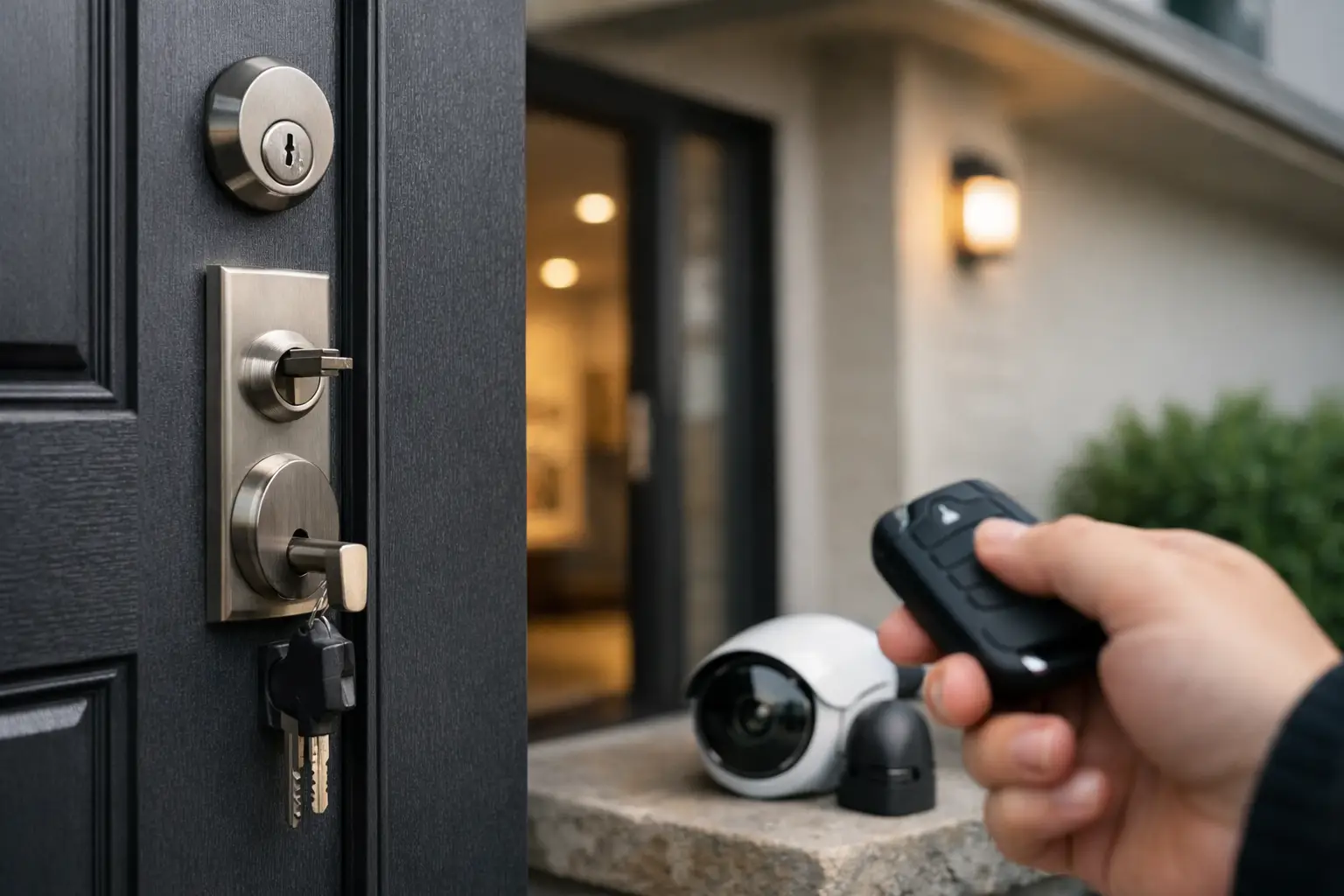
Windows are not just there to let in light. They are part of your home’s security. Older units may have weaker locking systems, worn hardware or frames that no longer close tightly. That is a problem in itself, but it can also leave the property more vulnerable than you realise.
If a window does not lock cleanly, if the key sticks, or if the frame has shifted so much that the sash can be moved when shut, it is worth getting it checked. In some cases, new locks or mechanisms will do the job. In others, replacement is the more dependable answer.
This is especially relevant for ground floor windows, rear elevations and properties that have been extended over time. A secure, properly fitted modern window offers more than convenience. It helps protect the home.
Noise, condensation and everyday frustration
Another sign when to replace double glazing becomes the right question is when the small annoyances keep adding up. You hear more traffic than you used to. You are wiping down internal condensation in the mornings. One bedroom always feels colder. The kitchen window sticks every time the weather changes.
None of those issues should be ignored just because they seem manageable. Over time, they can point to a wider decline in performance. Internal condensation can also be affected by ventilation and moisture levels in the home, so it is not always the glass at fault. But if the windows are old and several symptoms are showing at once, replacement often solves more than one problem in one go.
Should you replace all the windows at once?
Not necessarily. If one or two windows have failed while the rest are still in good condition, a phased approach can work well. That is often useful for homeowners balancing improvement plans with a budget. You can prioritise the worst-performing rooms first, such as colder bedrooms, street-facing lounges or vulnerable ground floor areas.
That said, replacing everything together can offer consistency in appearance, performance and finish. It may also be more cost-effective in the long run than doing small jobs over several years. The right answer depends on the condition of the existing windows, your budget and how long you plan to stay in the property.
A sensible installer will talk through those trade-offs clearly. For many households, the best decision is not the biggest one. It is the one that deals with the real issues without stretching the budget unnecessarily.
Getting the timing right
If you are unsure when to replace double glazing, the best time is usually before minor issues become expensive ones. A failed sealed unit can lead to persistent condensation. Worn seals can make rooms harder to heat. Sticking windows can become unsafe or unusable. Leaving everything until winter tends to make the inconvenience more obvious and the decision feel more urgent.
An inspection gives you a clearer picture. You may find that a few repairs will buy you more time. Or you may confirm that the windows are no longer worth patching up. Either way, you can plan from a position of facts rather than guesswork.
For homeowners who want straightforward advice, this is where a local firm with in-house fitting can make a real difference. You want someone to tell you what is genuinely needed, explain the options properly and quote clearly, without turning a practical home improvement job into a sales exercise.
If your windows are misted, draughty, difficult to lock or simply not keeping your home comfortable, it is worth having them checked sooner rather than later. A good set of windows should work quietly in the background. Once you start noticing them for the wrong reasons, they are usually telling you something useful.