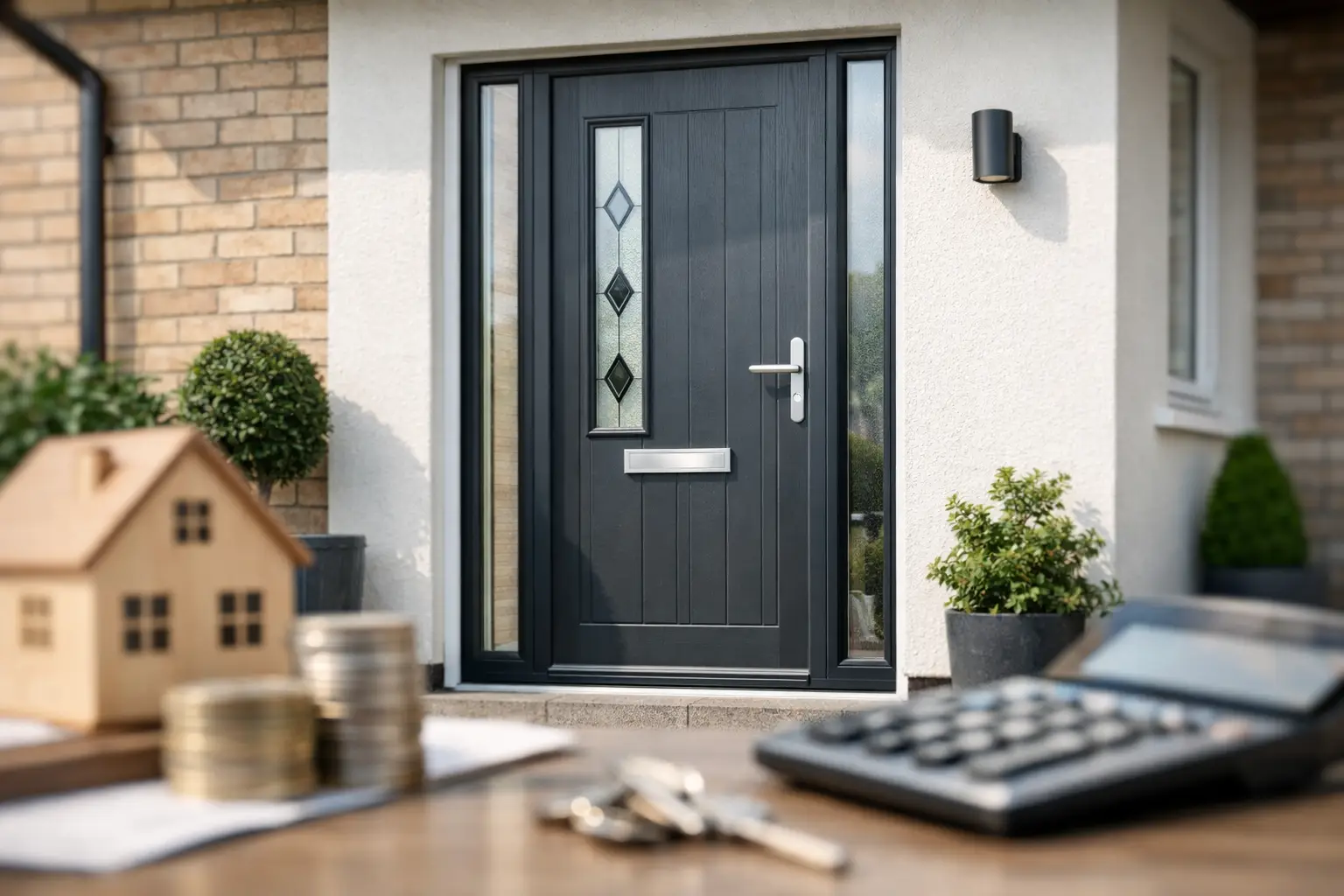
If your front door is draughty, swollen in winter or looking tired from years of weather, it is fair to ask: are composite doors worth it? For most homeowners, the short answer is yes – but only if you want a door that gives you better security, less maintenance and a smarter finish than cheaper alternatives.
That said, they are not the cheapest option on the market, and they are not automatically the right choice for every property. The real answer depends on what matters most to you: upfront cost, long-term value, appearance, insulation or peace of mind.
Are composite doors worth it in day-to-day life?
A front door is something you use every single day, so the value is not only in how it looks on installation day. It is in how it performs over the next ten, fifteen or even twenty years.
Composite doors are built from a mix of materials rather than a single slab of timber or uPVC. That layered construction is the main reason people choose them. It is designed to give you the strength of one material, the insulation of another and the weather resistance of another. In practical terms, that usually means a door that feels more solid, closes properly, holds its shape and stands up well to British weather.
For a busy household, that matters. You want a front door that locks smoothly, helps keep the hallway warmer and does not need constant attention. Composite doors tend to score well on all three.
What you are really paying for
The biggest hesitation for most people is price. Composite doors typically cost more than standard uPVC doors, so it is sensible to ask whether the extra spend is justified.
In many cases, what you are paying for is durability and overall performance rather than a dramatic difference you see in the first week. A cheaper door may still do the job, but over time you may notice more movement, fading, wear around the hardware or less effective draught sealing. A well-made composite door is built to avoid those common frustrations.
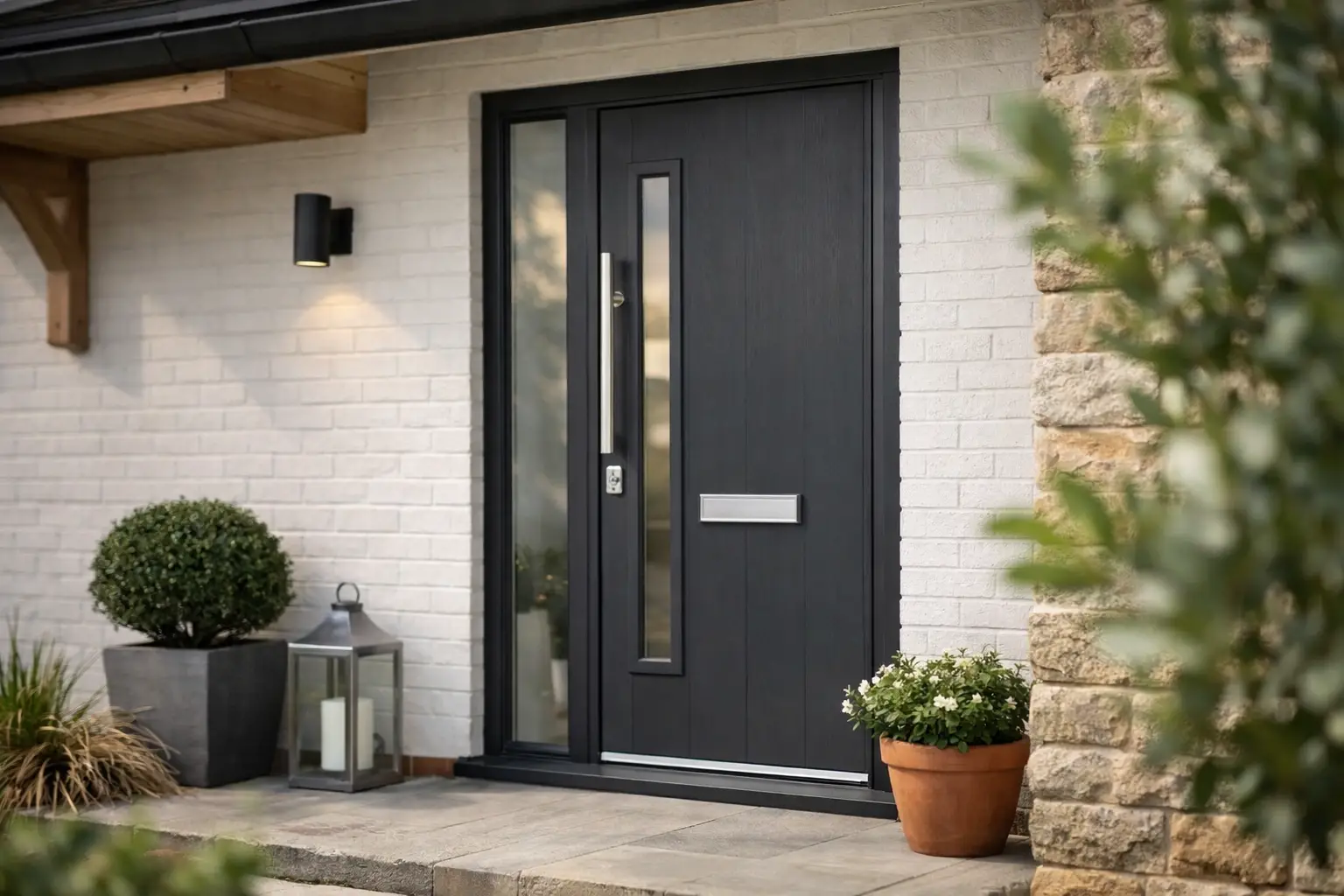
You are also paying for a more premium appearance. Composite doors generally have a thicker, more substantial feel and a higher-end finish. If kerb appeal matters to you, that can make a noticeable difference, especially on the front of the house where first impressions count.
Security is one of the strongest arguments
For many homeowners, security is the point that tips the balance.
Composite doors are known for their strength. The door slab itself is usually more rigid and more impact-resistant than a basic alternative, and when paired with a quality frame, multi-point locking system and proper installation, it creates a very secure entrance.
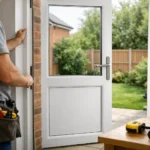
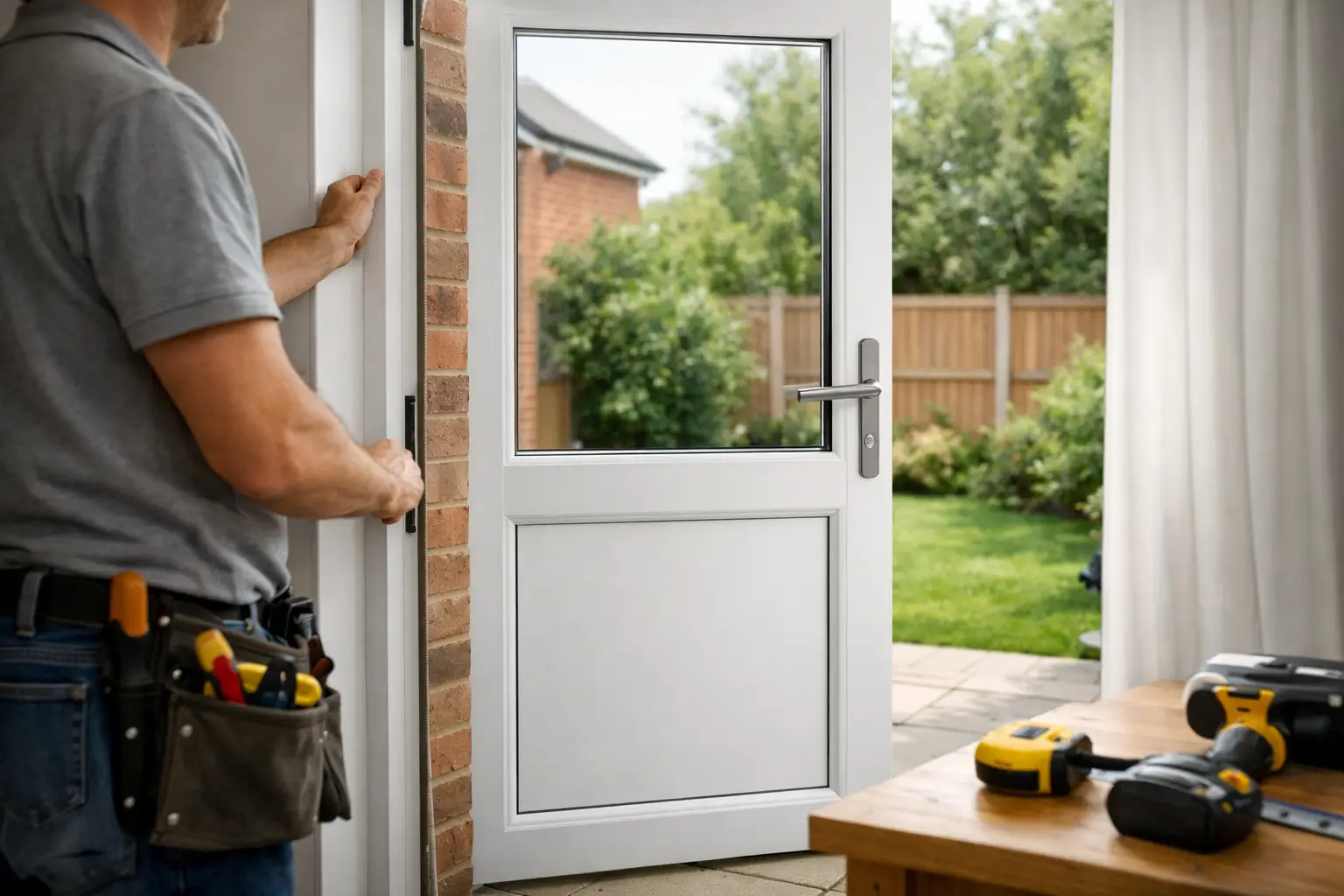
Of course, the door alone is not the whole story. A premium door poorly fitted will never perform as well as it should. That is why installation matters just as much as the product. A secure door needs to be aligned correctly, fitted tightly and finished properly so there are no weak points.
If you are replacing an older timber or dated uPVC door, the jump in security can feel significant. Many customers notice it straight away simply in how solid the door feels when opening and closing it.
Warmth, draught reduction and comfort
Another reason people ask whether composite doors are worth it is energy efficiency. With heating costs still a concern in most homes, it makes sense to look at any upgrade that helps reduce heat loss.
A quality composite door can offer very good insulation. That can help reduce cold spots in hallways and porches, and it often deals with one of the biggest complaints people have about old doors – draughts around the frame or threshold.
It is worth being realistic here. Replacing one door will not transform your energy bills overnight if the rest of the property is poorly insulated. But as part of improving the building envelope, it can make a worthwhile difference. More importantly, it often makes the entrance area feel noticeably more comfortable.
That day-to-day comfort is where many homeowners feel the value. It is not always about dramatic savings. Sometimes it is simply about no longer feeling a cold rush of air every time you walk past the front door.
Are composite doors worth it compared with uPVC?
This is usually the real comparison, because most homeowners choosing a replacement door are deciding between composite and uPVC.
uPVC doors are often more budget-friendly, and for some properties they are a perfectly sensible option. If cost is your main priority and you want a clean, functional replacement, uPVC can still work well.
Composite doors, however, tend to come out ahead on strength, appearance and long-term resistance to wear. They generally look more substantial, feel more secure and offer a broader range of styles and finishes. If you want something that looks closer to a traditional timber door but without the same level of upkeep, composite is often the better fit.
So are composite doors worth it over uPVC? If you plan to stay in the property, care about appearance and want a more premium result, many people would say yes. If you are working to a tighter budget and just need a straightforward upgrade, uPVC may still be the better-value choice for your circumstances.
What about compared with timber?
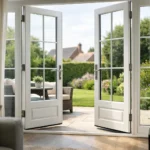
Timber still has its place, especially on period properties where authenticity matters. A well-made timber door can look fantastic and suit older homes beautifully.
The trade-off is maintenance. Timber usually needs more regular care to keep it looking its best and to protect it from weathering. That may include repainting or refinishing over time. Some homeowners are happy with that. Others would rather fit a door and not worry about it.
Composite doors appeal to people who like the traditional appearance of timber but want less ongoing maintenance. They can give you that smarter, more classic look without the same level of upkeep.
The downsides to consider
To give an honest answer, it is worth saying where composite doors may not be the ideal choice.
The first drawback is cost. If your budget is very tight, a composite door may feel like more than you want to spend, particularly if you are also replacing windows or making other improvements at the same time.
The second is that quality varies. Not all composite doors are made to the same standard. A cheaper product may not deliver the finish, durability or performance you expect. That is why it is worth looking at the whole package – door quality, hardware, glazing options and installation – rather than comparing on price alone.
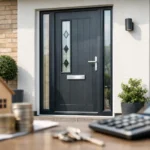
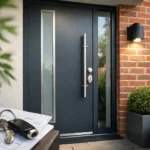
Finally, style matters. While composite doors come in a wide range of designs, colours and glass options, the wrong choice can look too modern or too heavy for certain properties. Good advice makes a difference here. The best result is usually a door that suits the character of the house rather than one that simply follows a trend.
When a composite door makes the most sense
Composite doors tend to be most worthwhile when your current door has several problems at once. If it is insecure, lets in draughts, needs frequent maintenance and brings down the look of the property, upgrading to composite can solve multiple issues in one go.
They also make sense if you see your door as a long-term investment rather than a quick fix. Homeowners who plan to stay put often get the most value because they benefit from the comfort, appearance and reliability over many years.
For landlords or anyone improving a rental property, the calculation can be slightly different. A composite door may still be worthwhile if durability and reduced maintenance are priorities, but in some cases a good-quality uPVC door may be enough depending on the property and budget.
So, are composite doors worth it for most homes?
In most cases, yes. If you want a door that is secure, attractive, low-maintenance and built to last, composite doors usually justify their higher price. They are especially good value when compared over the long term rather than the initial outlay.
The key is choosing the right product and having it fitted properly. A door should not only look good in a brochure. It should work well every day, cope with the weather and still look the part years down the line.
That is why honest advice matters. A dependable installer will tell you when composite is the right option and when another door might suit your property better. At CW Doors & Windows, that is how we prefer to work – clear recommendations, fair pricing and no pressure.
If you are weighing up cost versus value, think beyond the first quote. The better question is not just what the door costs now, but how well it will serve your home for years to come.