If you have started looking at replacement windows, you have probably seen the term what is A rated double glazing on quotes, brochures or showroom labels. It sounds straightforward, but many homeowners are left wondering what that rating actually tells them and whether it really makes a difference once the windows are fitted.
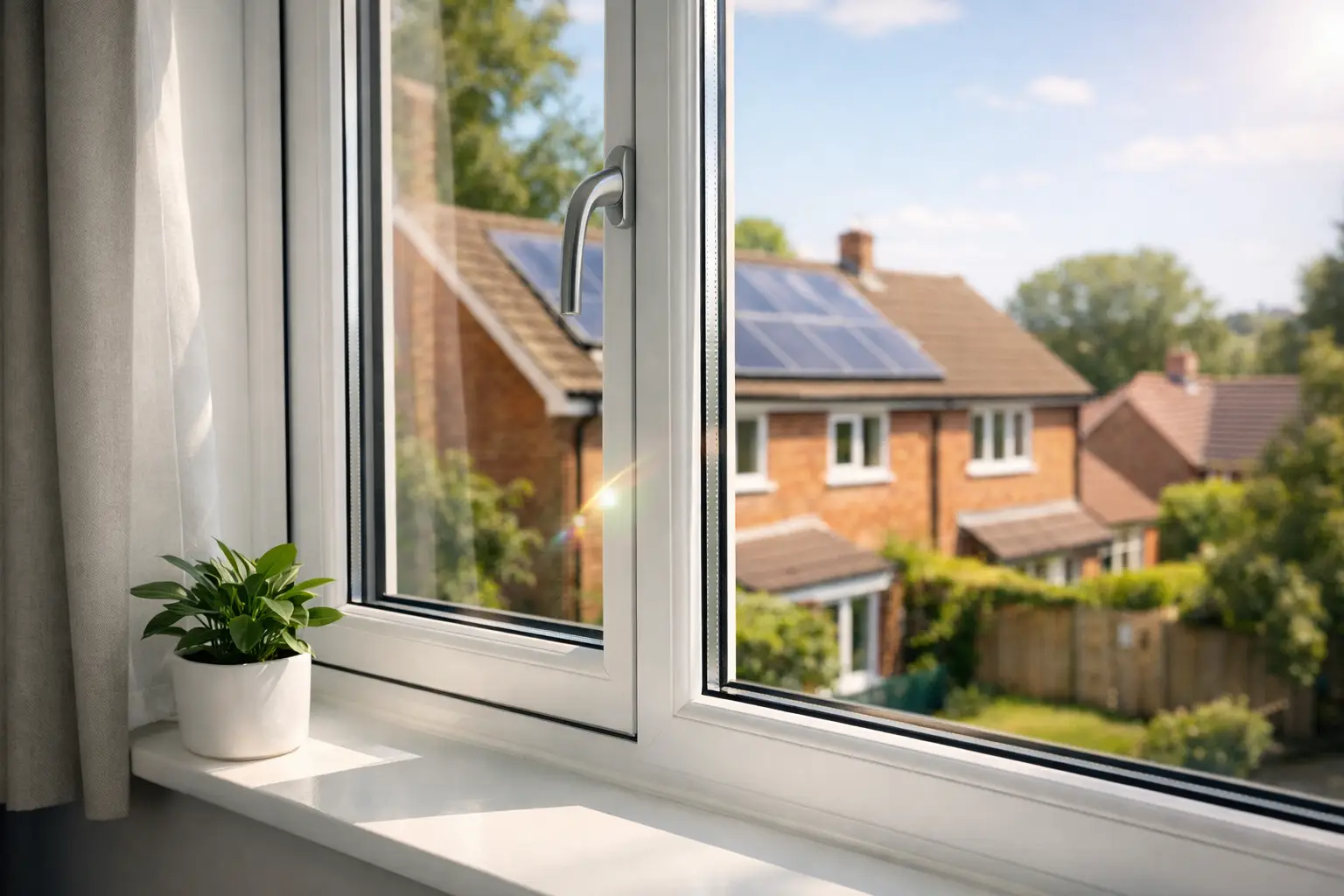
The short answer is that A rated double glazing is a window that has achieved an A score under the window energy rating system. That rating is used to show how energy efficient the whole window is, not just the glass. In practice, it is a strong sign that the window is designed to help keep heat inside your home, reduce cold spots near the glass and improve comfort through the year.
That said, the label on its own never tells the full story. An A rating is useful, but the frame, the glazing unit, the installation quality and the condition of the surrounding opening all matter too.
What is A rated double glazing and how is it measured?
A rated double glazing refers to a window that performs at A level within the British Window Energy Rating scheme. Ratings usually run from A++ down to lower grades, with better-performing windows sitting nearer the top.
The important point is that the rating looks at the complete window. It is not just a measure of how thick the glass is or whether the unit is double glazed rather than single glazed. The assessment takes account of heat loss through the frame and glass, air leakage and how much solar heat the window can let in.
That last part often surprises people. A window is not judged only on how much heat it keeps from escaping. It is also judged on how well it can make use of heat from sunlight. This is why two windows that look similar on paper can end up with different ratings.
In simple terms, an A rated window strikes a good balance. It limits heat loss well enough to improve insulation, while still allowing useful solar gain where appropriate. For a homeowner, that normally means a warmer-feeling room and lower pressure on the heating system.
What makes a window achieve an A rating?
There is no single feature that creates an A rated window. It usually comes from a combination of good design choices working together.
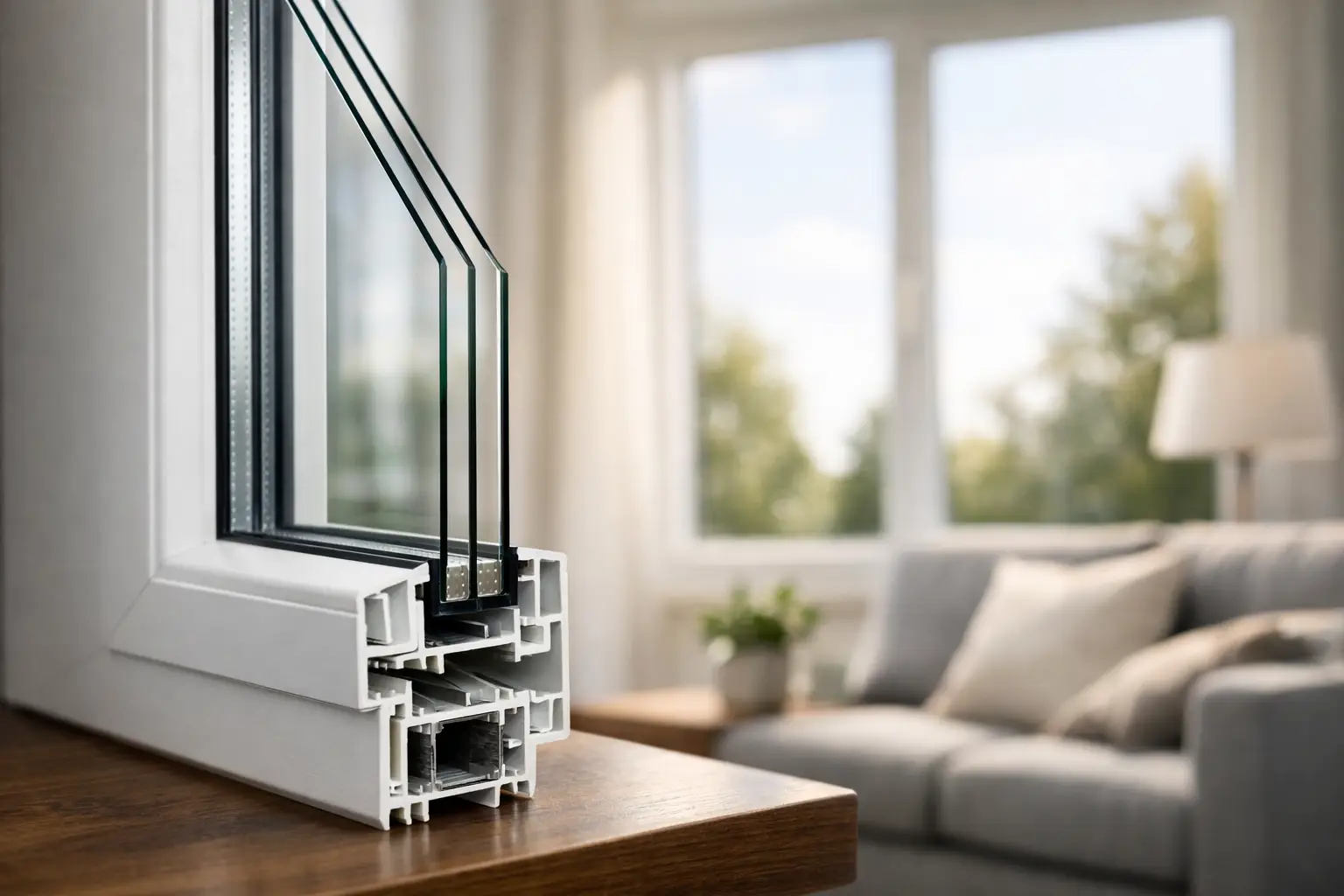
The glazing unit itself plays a large part. Most A rated double glazed windows use low-emissivity glass, often called low-E glass, which has a special coating to reflect heat back into the room. The gap between the panes is commonly filled with an insulating petrol such as argon rather than plain air, helping reduce heat transfer.
The frame matters just as much. A well-made uPVC frame with multiple internal chambers can improve thermal performance, and the spacer bar around the edge of the sealed unit can also make a difference. Warmer edge spacers help reduce heat loss around the perimeter of the glass, where older window units often perform less well.
Then there is airtightness. Even a high-performing glazed unit can be let down if the window allows draughts. A properly manufactured and properly fitted window should close tightly and create a reliable seal.
This is one reason homeowners should be careful not to compare quotes on rating alone. Two windows may both be described as A rated, but their build quality, longevity and finish may still be quite different.
Is A rated double glazing good enough?
For many homes, yes. A rated double glazing is a solid standard and is often the right choice if you want a good balance between performance and cost.
It can help reduce heat loss compared with old double glazing or single glazing, and in most properties it will feel like a noticeable improvement. Rooms can become more comfortable, especially in colder months, and condensation on the inside of the glass may be reduced if the old windows were underperforming.
But whether it is good enough depends on the property and your priorities. If you live in an older home with poor wall insulation, an exposed position or particularly cold rooms, you may want to compare A rated windows with A+ or A++ options. The difference may not always be dramatic in day-to-day use, but in some homes the extra efficiency is worthwhile.
Equally, if your current windows are in very poor condition, even moving to a dependable A rated product installed well can be a major step forward. There is no point paying more for a higher label if the practical gains are small for your home.
A rated windows compared with lower or higher ratings
Lower-rated windows generally allow more heat to escape. That can mean colder internal glass surfaces, less comfort near the window and a greater chance of your heating working harder to maintain room temperature.
Higher-rated windows can offer better performance, but there is always a value question. The best option is not automatically the one with the highest rating. It depends on budget, orientation of the property, room usage and what condition the existing windows are in.
For example, if you are replacing very old units that are draughty, misted or no longer sealing properly, A rated double glazing may already deliver the improvement you need. If you are carrying out a broader energy-efficiency upgrade and want to push performance further, it may be worth looking above A.
A good installer should talk this through honestly rather than simply steering you to the most expensive option.
Does A rated double glazing save money on energy bills?
It can, although the savings vary from home to home. The clearest benefit is reduced heat loss, which can help your home stay warmer for longer after the heating goes off. Over time, that may lower energy use.
The size of the saving depends on the age of your existing windows, the size of the property, how often the heating is used and how well insulated the rest of the house is. Someone replacing tired old frames with poor seals may see a more noticeable difference than someone swapping fairly modern windows that are still performing reasonably well.
It is also worth being realistic. New windows are not a magic fix for every high energy bill. If loft insulation is poor, doors are draughty and the boiler is inefficient, windows are only one part of the picture. They still matter, but they work best as part of an overall improvement to the home.
Why installation matters as much as the rating
This is where many people get caught out. A quality A rated window can still underperform if it is fitted badly.
Poor installation can leave gaps, weak seals and cold bridges around the frame. That can lead to draughts, water ingress, reduced energy efficiency and problems that no brochure rating will solve. On the other hand, a well-fitted window from a trusted supplier gives you a far better chance of getting the performance you have paid for.
That is why local homeowners often prefer dealing with a company that handles its own installations and offers straightforward aftercare. When the same team is responsible for measuring, fitting and finishing, there is usually more accountability and less chance of corners being cut.
What to ask before you buy
If you are comparing window quotes, ask what the energy rating applies to – the whole window or just the glass. Ask what type of glass unit is included, what gas fill is used, and whether warm edge spacers are part of the specification.
It is also sensible to ask about the frame profile, sealing performance and the installation method. A fair, honest quote should explain what you are getting without burying the key details in jargon.
For many households, the right window is not the fanciest one. It is the one that suits the property, fits the budget and is installed properly by people who know the trade.
Is A rated double glazing right for your home?
In many cases, yes. If you want reliable energy efficiency, improved comfort and better all-round window performance, A rated double glazing is often a sensible place to start. It is a recognised standard, widely available, and suitable for a large number of modern and older properties alike.
The part that matters is choosing the right product for the home in front of you. A south-facing room may behave differently from a shaded extension. A rental property may need a practical, cost-conscious option, while a long-term family home might justify a higher-spec upgrade. There is no one-size-fits-all answer.
If you are weighing up replacement windows, the best advice is simple – look beyond the label, ask clear questions and focus on overall value rather than headline claims. A good A rated window should make your home feel warmer, more secure and more comfortable, and you should feel just as confident in the people fitting it as you do in the product itself.
When a quote is honest, the workmanship is sound and the windows are suited to the property, that is when the rating starts to mean something useful.