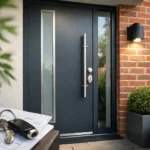
A front door can look solid enough at a glance and still be the weak point of the house. We see it often – an older door with tired hinges, a basic lock and a frame that has shifted over time. If you are searching for the best front doors for security, the right answer is not just about the material. It is about how the door, frame, locks, glazing and installation all work together.
For most homeowners, security comes down to peace of mind. You want to know the door will stand up to forced entry, cope with day-to-day use and still look right on the front of the property. That means balancing strength, performance, price and appearance rather than choosing the most expensive option and hoping for the best.
What makes a front door secure?
A secure front door is never just one feature. The leaf itself matters, but so do the locking system, reinforced frame, hinges, glazing and the quality of the fit. A strong door fitted poorly can still leave gaps, movement or weak fixing points. Equally, a decent frame with a low-grade lock can let the whole system down.
The best results usually come from doors built as complete security systems rather than separate parts. Multi-point locking, reinforced cores, secure glazing and well-fixed frames all play a part. Certification can help too, especially if you want reassurance that the product has been tested against recognised standards.
It is also worth remembering that security and energy efficiency often go hand in hand. A modern, well-fitted door tends to seal better, close more cleanly and resist warping or movement, which helps both safety and insulation.
Best front doors for security: which material comes out on top?
If you are comparing the best front doors for security, four materials usually come up most often – composite, aluminium, timber and uPVC. Each has strengths, and each suits different homes and budgets.
Composite front doors
For many households, composite doors are the strongest all-round choice. They are built from a combination of materials rather than one single slab, which gives them a solid feel and very good resistance to force, weathering and daily wear. A quality composite door usually includes a high-density core, durable outer skin and a multi-point locking system.
The big advantage is balance. Composite doors offer strong security, low maintenance and plenty of choice in colour and style. They suit modern and traditional properties, and they tend to hold their shape well over time. That matters because movement in the door can affect how securely it locks.
The trade-off is price. Composite doors usually cost more than standard uPVC, but many homeowners feel the extra spend is worthwhile because of the better overall performance and lifespan.
Aluminium front doors
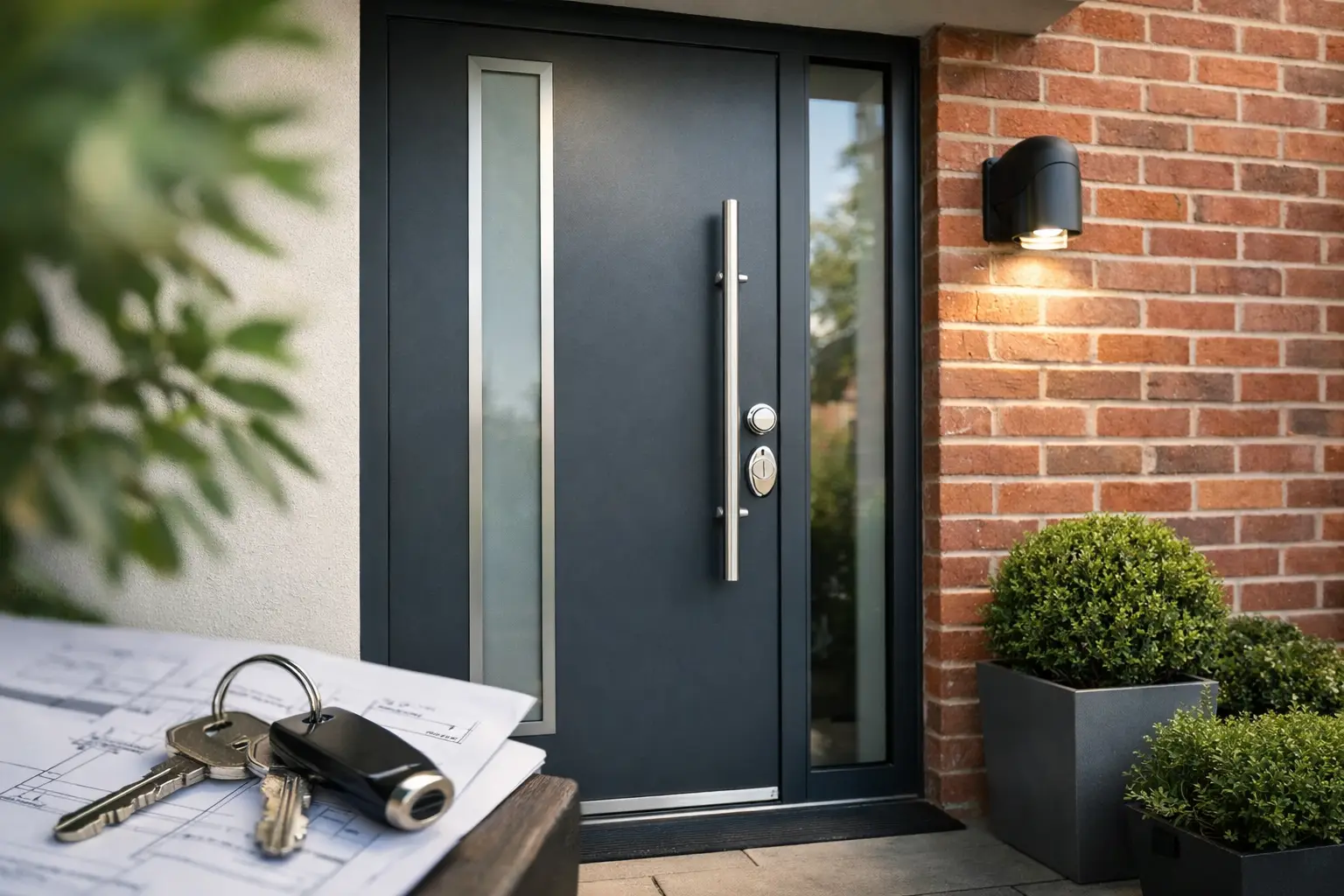
Aluminium doors are another excellent option for security. They are naturally strong, slim in profile and well suited to contemporary homes. Because aluminium is rigid, it can provide impressive structural strength without looking bulky.
A well-made aluminium front door can be one of the most secure choices on the market, especially when paired with high-spec locking and quality hardware. It is also very durable and resistant to warping, rust and weather damage.
Where aluminium can be less appealing for some homeowners is style and cost. It often suits cleaner, more modern designs better than period-style properties, though there are exceptions. It can also sit at the higher end of the price range.
Timber front doors
Timber still has real appeal, especially on older homes where original character matters. A properly made hardwood door can be very secure, and many people prefer the natural appearance over manufactured alternatives.
That said, timber depends heavily on quality and upkeep. A well-crafted hardwood door with modern locks can perform very well, but cheaper or poorly maintained timber doors can swell, shrink or weaken over time. If security is a priority, timber is only a strong option when it is built and maintained to a high standard.
For some homes, it is the right call. For others, a composite door gives a similar traditional look with less ongoing maintenance.
uPVC front doors
uPVC doors remain a popular choice because they are affordable, low maintenance and available in many styles. They can provide a good level of security, especially when reinforced and fitted with modern locking systems.
The main point is that quality varies. A budget uPVC door will not offer the same strength or rigidity as a premium composite or aluminium option. For flats, rental properties or homeowners working to a tighter budget, uPVC can still be a sensible upgrade from an ageing timber door. But if you want the best possible mix of strength, lifespan and premium feel, most people look beyond entry-level uPVC.
Security features that matter more than sales talk
When homeowners compare doors, it is easy to get drawn in by finish, glazing pattern or colour first. Those things matter for appearance, but the real security value sits elsewhere.
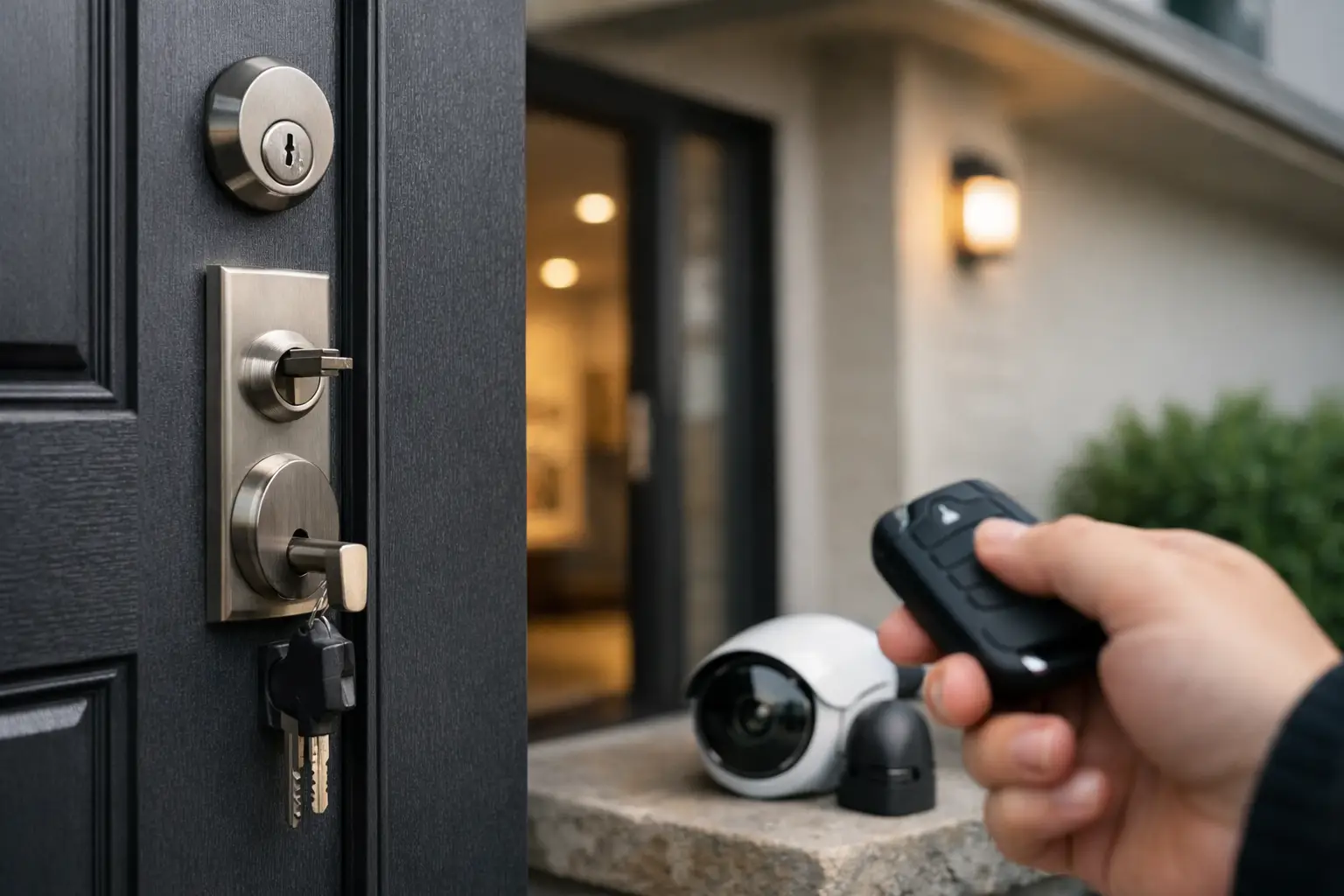
A multi-point locking system is one of the biggest upgrades from an older door. Instead of locking at a single point, the mechanism secures the door at several places along the frame. That makes forced entry more difficult and helps the door pull in tightly when closed.
Cylinder quality matters too. A door can have a decent handle set and still be vulnerable if the lock barrel is basic. Anti-snap, anti-pick and anti-drill cylinders are worth looking for, particularly on outward-facing main entrances.
The frame is just as important as the door leaf. If the frame is weak or poorly fixed, the overall security suffers. Reinforcement within the frame and proper installation into the opening can make a major difference.
If your front door includes glass, the glazing should be secure and fitted properly. Toughened or laminated glazing is preferable, and the design matters as well. Large decorative glass panels may suit the look of the house, but they need to be specified carefully so you are not sacrificing too much security for style.
Hinges, handles and letterplates can also affect performance. These details are easy to overlook, yet they are part of the overall system. A secure door should feel solid in every part, not just in the brochure description.
Does a more expensive door always mean better security?
Not always. Cost often reflects materials, design options and brand positioning as much as security. A mid-range composite door fitted properly can be a better security choice than a premium-looking door with weaker hardware or poor installation.
That is why honest advice matters. The best recommendation depends on the property, your budget and what you are trying to improve. If your current door is draughty, loose in the frame and fitted with an outdated lock, even a well-specified uPVC replacement could be a significant step up. If you are planning a long-term upgrade and want the strongest all-round option, composite or aluminium may make more sense.
For many households, value comes from choosing the right specification rather than chasing the most expensive product on the page.
Choosing the best front doors for security and style
Most people do not want a front door that looks like a commercial fire exit. Security matters, but so does kerb appeal. The good news is that you do not usually need to compromise as much as you might think.
Composite doors are especially strong here because they come in a wide range of traditional and modern designs. You can choose a classic panelled look, contemporary glazing or a heritage-style finish while still getting modern security features behind it.
Aluminium tends to suit cleaner, sharper aesthetics. Timber offers natural character, but with more upkeep. uPVC gives practical value and can work well visually when chosen carefully, though it often has a less premium feel up close.
The best choice is usually the one that suits the property as a whole. A secure front door should look like it belongs there, not like an afterthought fitted purely for function.
Why installation matters as much as the door itself
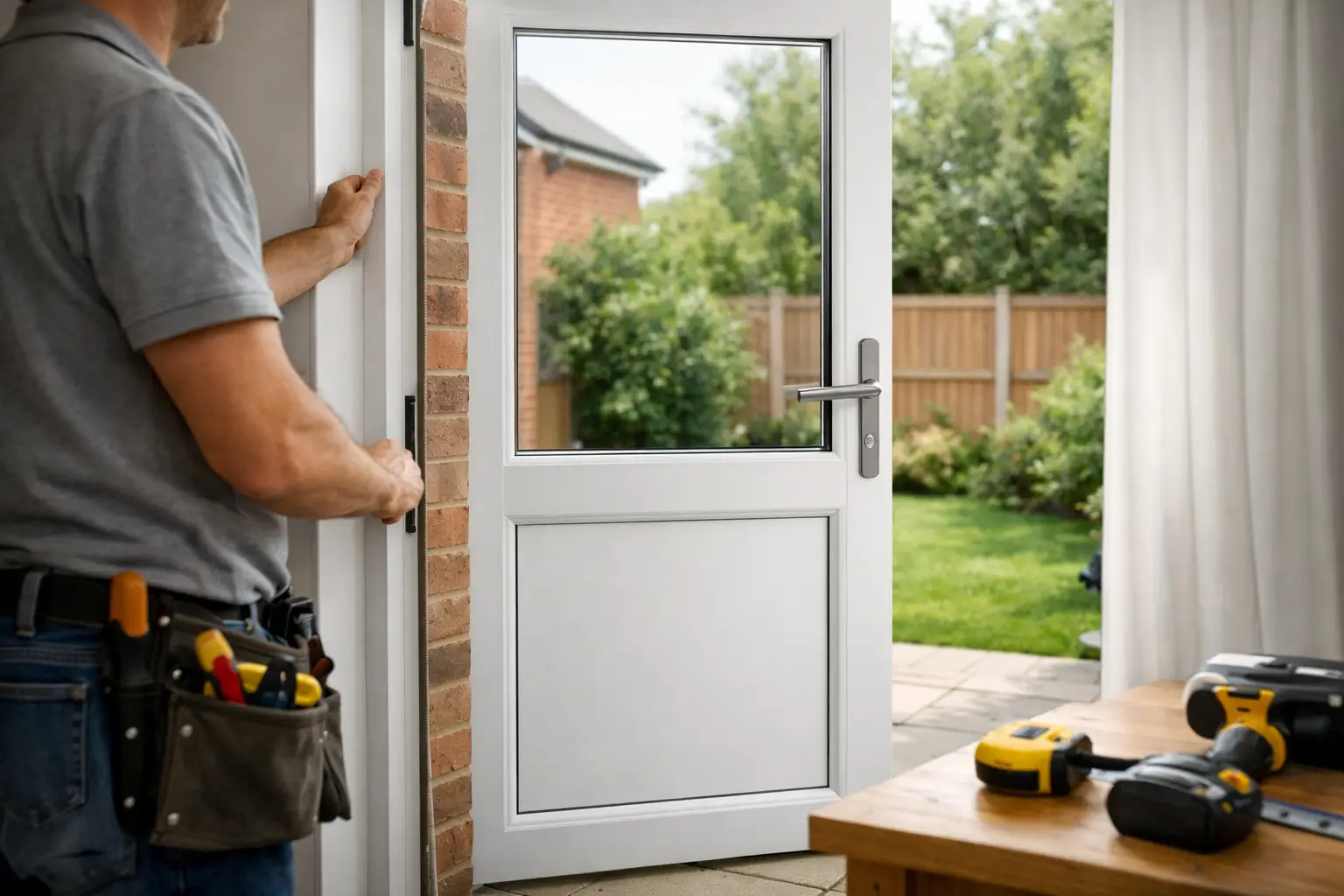
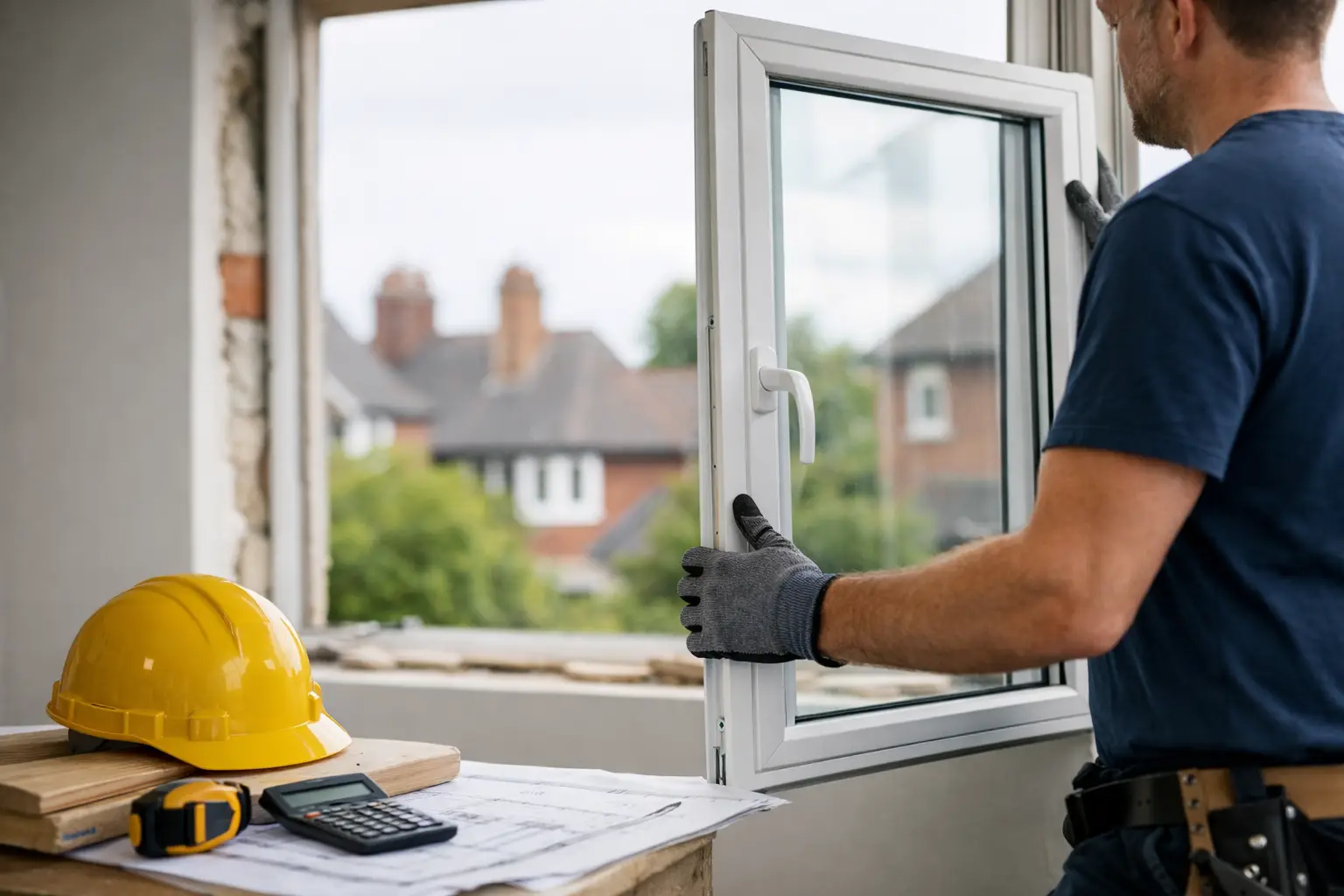
A good door can only perform as well as it is installed. Poor fitting can cause dropped hinges, uneven closing, locking issues and gaps around the frame. Over time, those problems affect both security and weather performance.
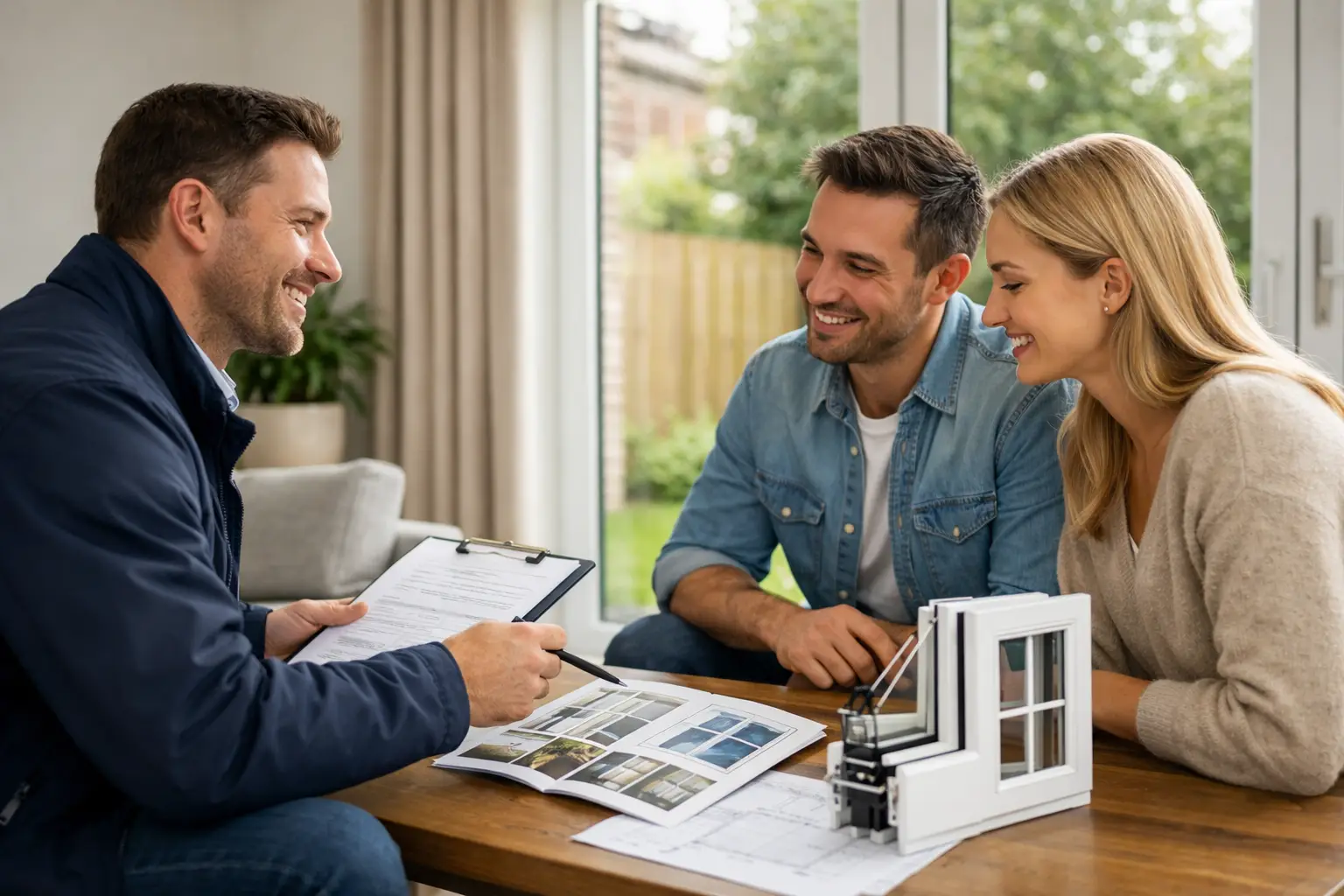
That is one reason many homeowners prefer working with established local installers rather than chasing a low headline price. Proper measuring, careful fitting and attention to detail all make a difference. Companies such as CW Doors & Windows build their reputation on that practical side of the job – not just supplying the door, but fitting it properly and standing behind the workmanship.
If you are comparing quotes, ask what is included. The lock specification, frame reinforcement, hardware quality and fitting standards matter just as much as the door style shown in the brochure.
So which front door should most homeowners choose?
If you want the simplest answer, a quality composite door is the best fit for most homes. It offers strong security, reliable durability, low maintenance and enough design choice to suit almost any property. For homeowners who want a more contemporary look and are happy to spend more, aluminium is an excellent alternative.
Timber still has its place where appearance and character lead the decision, while uPVC remains a practical budget-conscious option when specified well. The key is not choosing by material name alone. Look at the full package – door construction, lock quality, frame strength, glazing and installation.
A front door should do more than look smart from the pavement. It should close properly, lock securely and give you confidence every time you leave the house or turn in for the night. That is usually what makes it the right choice.