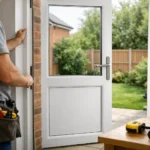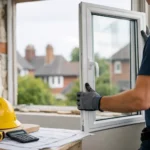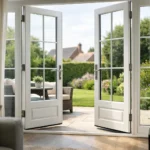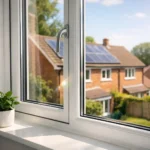
If your windows are draughty, hard to open or simply making the front of the house look tired, getting a free window quote Leicester homeowners can rely on is the sensible first step. Not because you need a sales pitch, but because you need clear numbers, practical advice and an honest view of what will actually improve your home.
A good quote should leave you better informed, not pressured. You should come away knowing what suits your property, what the likely cost is, and where the value really sits – whether that is better insulation, stronger security, lower upkeep or a smarter finish from the road.
Why a free window quote in Leicester matters
Windows are not a one-size-fits-all purchase. Two houses on the same street can need completely different solutions depending on age, exposure to weather, style of property and the condition of the existing frames. That is why a proper quotation is more than a rough price scribbled on paper.
An accurate quote gives you a realistic picture of the job from the start. It should take account of the number of windows, the size of each opening, the frame material, the glazing specification, any access issues and whether there is remedial work needed once old units are removed. Without that detail, a very cheap figure can quickly stop looking cheap.
For many homeowners, the biggest concern is not the windows themselves. It is whether the price will change halfway through, whether the installer will turn up when promised, and whether the finished job will look right. That is why local, no-obligation quotations matter. They give you a chance to ask direct questions and judge the company as much as the product.
What should be included in a free window quote Leicester homeowners receive?
A useful quotation should be clear enough that you can compare it properly. If it only shows a total at the bottom of the page, you are missing too much detail.
At the very least, you should expect a breakdown of the window style, the frame material, the glazing type and the number of units being supplied and fitted. It should also make it clear whether installation, removal of old windows and disposal of waste are included. These are basic points, but they are often where confusion starts.
You should also be told about timescales. Some products are available quickly, while others take longer because of colour choice, hardware options or made-to-measure manufacturing. If you are planning around other home improvements, that timing matters.
Guarantees and aftercare should not be treated as small print either. A quote is the right stage to ask who is actually carrying out the installation, what cover is provided and what happens if adjustments are needed after fitting. In-house installation gives many people more confidence because responsibility stays with one company from start to finish.
What affects the cost of replacement windows?
The price of new windows depends on more than size alone. Style plays a part. A standard casement window will often be more affordable than a bay or more decorative design, simply because the manufacturing and fitting are more straightforward.
Material is another major factor. uPVC remains a popular choice because it offers strong all-round value, low maintenance and good thermal performance. For many homes, it is the most practical option. That said, the right choice can depend on the look you want and the type of property you have.
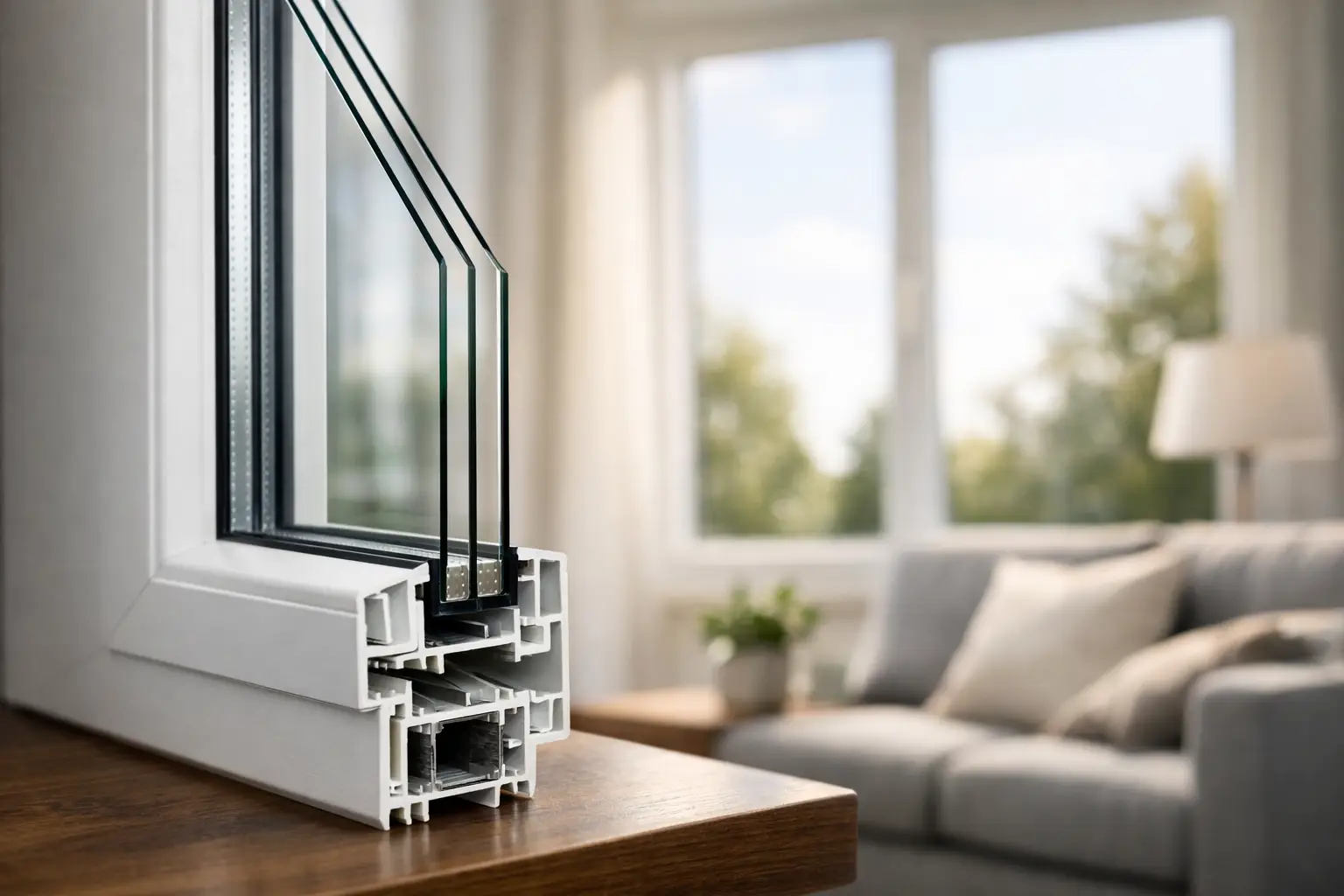
Glazing specification changes the cost too. Homeowners often ask whether triple glazing is always worth paying extra for. The honest answer is that it depends. In some properties, especially where heat loss or external noise is a real issue, it may be worthwhile. In others, quality double glazing gives the performance needed without pushing the budget further than necessary.
Security features, hardware finishes and colour options can all add to the final price. None of these are automatically unnecessary. They just need to be weighed against what matters most to you. If security and appearance are high on the list, those upgrades may make complete sense.
Cheap quote or fair quote?
The lowest figure is not always the best value. That sounds obvious, but when you are comparing several quotations, it is easy to focus on the bottom line and miss what has been left out.
A fair quote should reflect decent materials, proper installation and realistic labour. If one price is much lower than the others, ask why. It may be based on a different specification. It may exclude waste removal or finishing work. Or it may simply be priced to win the job first and deal with questions later.
That does not mean higher is always better either. A large national firm can carry overheads that a local family-run installer does not, and that difference can show up in the price. Many homeowners prefer dealing with a business that offers honest pricing, clear advice and a straightforward price-match promise on like-for-like quotes, because it removes some of the theatre from the process.
Questions worth asking during a window survey
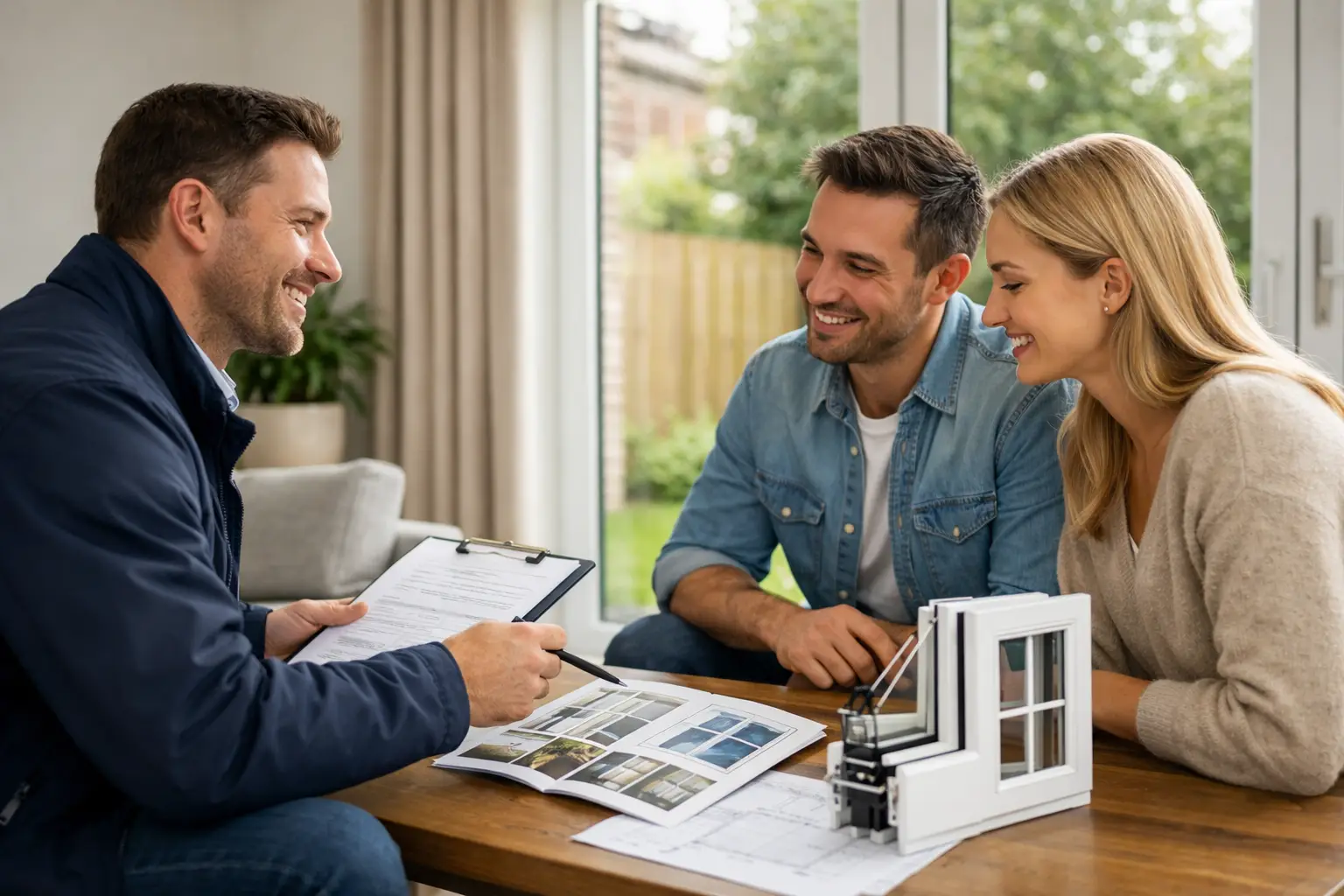
A survey visit should feel useful, not uncomfortable. It is your chance to explain what is not working with the current windows and what you want from the replacement.
If condensation is a problem, say so. If you are hearing road noise, mention it. If certain rooms feel cold in winter, that matters. These details help shape the recommendation. The right installer should be listening, not steering every conversation back to the most expensive option.
It is also sensible to ask who will fit the windows, how long the job is likely to take and whether there may be any disruption inside the house. Most homeowners do not expect zero mess, but they do expect care, tidy workmanship and a clear idea of what happens on the day.
You can also ask whether the proposed style suits the property. That is especially useful if you are trying to improve kerb appeal while keeping the house in character. A practical opinion here can save you from choosing something that looks right in a brochure but wrong on the building.
Why local knowledge helps
There is real value in dealing with a company that understands the types of homes in and around Leicester. Older terraces, 1930s semis, newer estates and landlord-owned properties all tend to throw up different priorities.
Some customers are focused on warmth and energy bills. Others want improved security on ground-floor windows. Some simply want to modernise tired frames before putting a property on the market. A local installer is more likely to have seen similar jobs nearby and to offer recommendations grounded in experience rather than a script.
That local accountability matters as well. If a business has built its reputation on word of mouth and repeat work, it has more reason to get the details right. For homeowners, that often feels more reassuring than dealing with a call centre and a rotating cast of subcontractors.
Getting the most from your quote
Before asking for prices, it helps to have a rough idea of your priorities. If budget comes first, say so. If appearance matters just as much as energy efficiency, say that too. A good quotation process works best when it is based on what you actually need, not what someone assumes you should buy.
Take time to compare like for like. Check the specification, the fitting arrangements, the guarantees and the timescale. If something is unclear, ask. A trustworthy company will not mind explaining the detail in plain English.
For homeowners who want straightforward advice, professional workmanship and no hidden costs, a quote should feel like the beginning of a practical conversation, not a test of your negotiating skills. That is often the difference between a stressful home improvement job and one that runs properly from the start.
CW Doors & Windows takes that approach because most people are not looking for a flashy sales routine. They want windows that look right, perform well and are fitted by people who stand by their work.
If you are thinking about replacing old or inefficient windows, the best next step is often the simplest one – ask for a quote, ask the questions that matter to you, and judge the answer by how clear and honest it is.