A window rarely fails all at once. More often, it starts with a cold draught near the sofa, condensation that never seems to clear, or a lock that needs a harder push each winter. If you are asking when should windows be replaced, the answer usually comes down to performance rather than age alone.
For most homeowners, replacement becomes worth considering when windows stop doing the basic jobs they were fitted for in the first place – keeping warmth in, weather out, and your home secure. Some windows can last for many years with little trouble. Others begin to cause problems earlier, especially if they were poorly installed, exposed to heavy weather, or simply reached a point where repairs are becoming a false economy.
When should windows be replaced instead of repaired?
This is usually the first real decision. A minor issue such as a worn handle, stiff hinge, failed seal on a single unit, or trim coming loose can often be repaired without replacing the full window. In those cases, a repair makes sense if the frame is still sound and the rest of the unit is performing well.
Replacement becomes the better option when problems are repeated, widespread, or built into the age and condition of the window itself. If several units are misting up, frames are warped, draughts are coming through more than one room, or locks no longer feel dependable, it is often better value to replace rather than keep spending on one-off fixes.
There is also the question of standards. Older windows might still be standing, but that does not mean they are doing the job well by current expectations. Homeowners now rightly expect better insulation, stronger security, lower maintenance and a smarter finish than many ageing units can offer.
The clearest signs your windows may need replacing
A failed window usually gives you more than one warning sign. The strongest case for replacement is when several of these are happening at once.
You can feel draughts indoors
If closed windows still let in cold air, something has changed. It may be worn seals, movement in the frame, poor alignment, or age-related gaps. In older homes, people sometimes assume a chilly room is just part of the property. Quite often, the windows are a major part of the issue.
Draughts matter for comfort, but they also affect heating costs. If your boiler is working harder because warm air is escaping, the problem becomes expensive over time.
Condensation is trapped between the panes
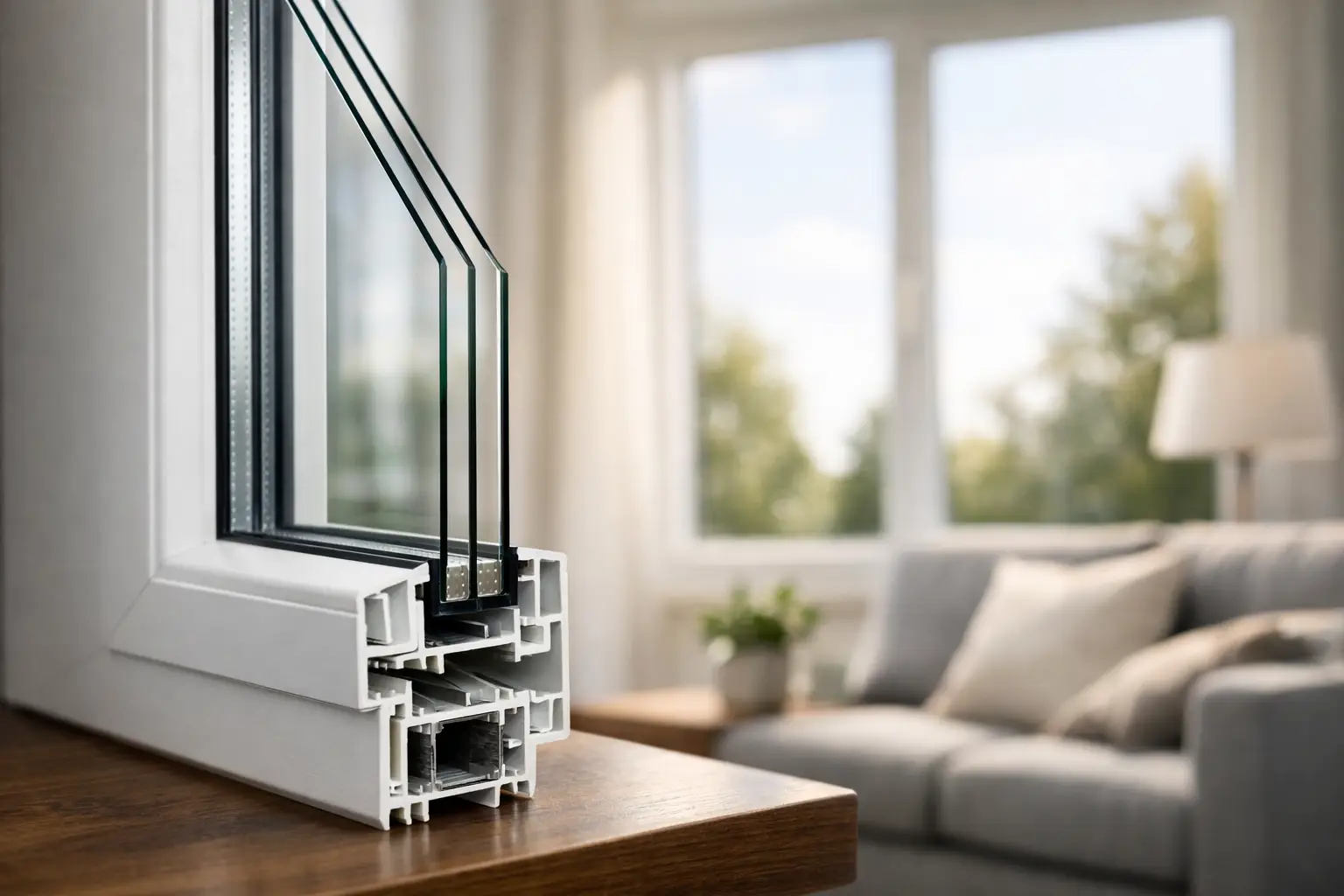
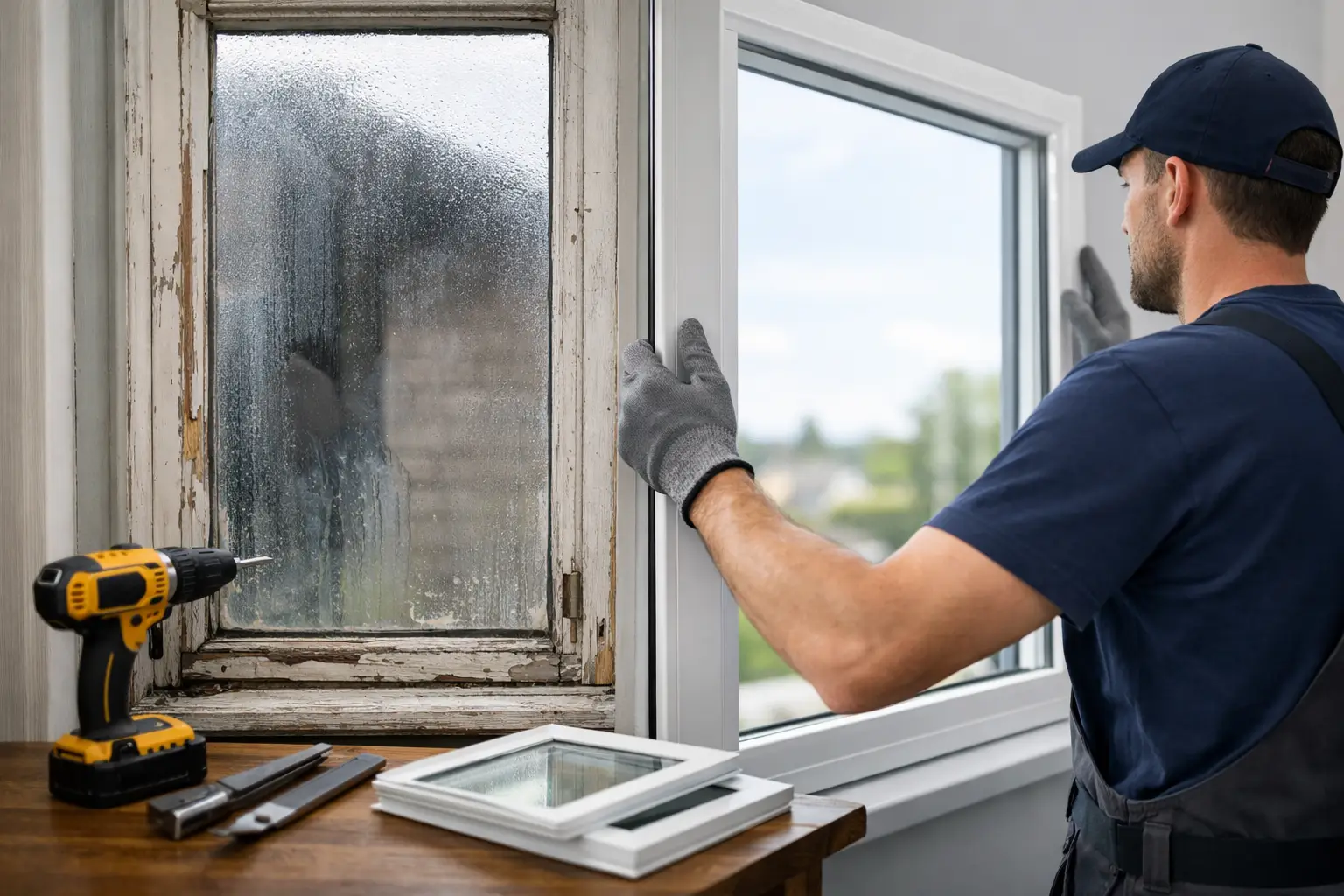
Surface condensation on the room side can be linked to ventilation, but moisture trapped inside double glazing is different. It usually means the sealed unit has failed. Once that seal breaks down, the insulating performance drops and the glass starts to look permanently cloudy.
One failed unit can sometimes be replaced on its own. If it is happening across multiple windows, it may be time to look at the wider condition of the installation.
Windows are difficult to open, close or lock
Windows should operate smoothly and lock properly without force. If they stick, drop, jam or refuse to seal tightly, that is more than an inconvenience. It can point to wear in the hinges, frame movement, swelling in older materials, or general structural decline.
Security is part of the equation here as well. If a lock feels loose or unreliable, replacement may be the safest route.
Frames are damaged or showing clear wear
Cracks, warping, rot, flaking finishes, water ingress around the frame, or visible movement are all warning signs. Timber can suffer from decay if maintenance has slipped. Older uPVC may become brittle or discoloured over time. Aluminium is durable, but poor-quality older systems can still underperform compared with modern options.
Cosmetic issues alone do not always mean replacement is essential. Once appearance is paired with poor sealing, operational problems or moisture, it usually becomes a practical concern rather than just a visual one.
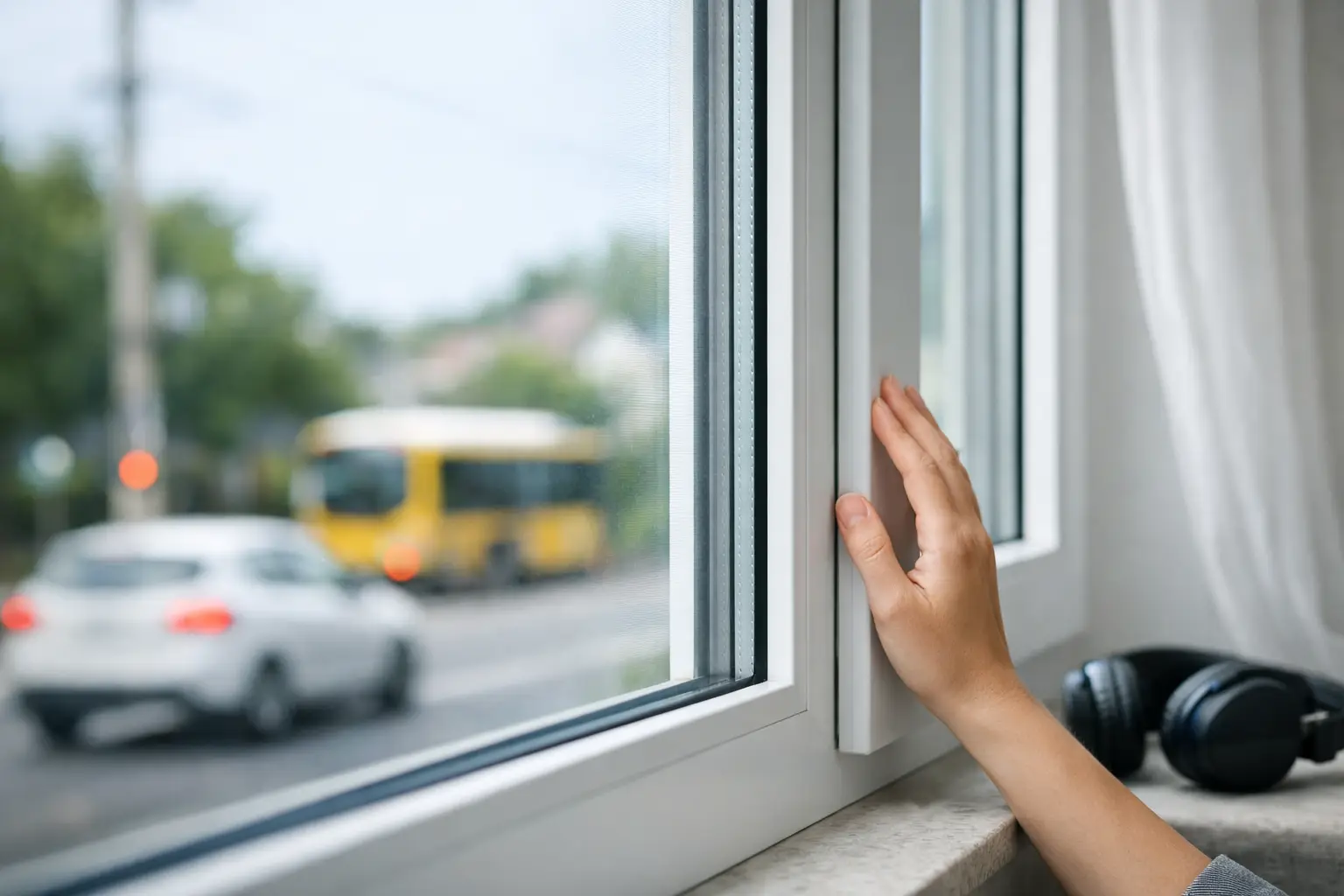
Outside noise seems worse than it should
If traffic, late-night noise or general street sound feels more noticeable than before, your windows may not be insulating as they once did. Modern glazing can make a clear difference in everyday comfort, particularly on busier roads or in built-up areas.
Your energy bills keep climbing
No window replacement can solve every heating issue in a home, but older inefficient windows can contribute to heat loss. If you have already looked at insulation and boiler efficiency, and the rooms near your windows still feel cold, replacement may be one of the most effective upgrades available.
How old is too old?
There is no exact age at which every window should be replaced. Good-quality windows that were fitted properly and maintained well can last decades. Poorer installations can become troublesome much sooner.
As a rough guide, many homeowners start reassessing their windows after 15 to 20 years, especially if they are noticing changes in comfort, appearance or operation. Age matters less than condition, but older windows are more likely to fall behind modern expectations for thermal efficiency and security.
That is particularly true if your windows were installed at a time when glazing standards were lower. Even if they are still functional, there may be a noticeable gap between what you have and what a well-fitted modern unit can offer.
When replacing windows early can still make sense
Not every replacement is driven by obvious failure. Sometimes the windows are still serviceable, but replacing them is still the right call.
A common reason is refurbishment. If you are updating the outside of your property, replacing dated windows can make a major difference to kerb appeal. Another is future-proofing. Homeowners planning to stay put for years often choose to upgrade before the old windows become a headache, especially if they want a warmer home and less maintenance.
Landlords may also take a practical view. If windows are becoming difficult to manage between tenancies, replacing them at the right time can reduce repeat repair costs and make the property more appealing to prospective tenants.
What about one window versus the whole house?
This depends on the condition of the rest. If one unit has been damaged or one sealed pane has failed, a targeted replacement is often sensible. If the windows were all installed at the same time and several are showing the same issues, full replacement can be more cost-effective in the long run.
There is also consistency to think about. Replacing windows room by room can spread the cost, but there may be differences in sightlines, finish or performance if old and new systems sit side by side for too long. A good installer should be honest about whether a partial approach makes sense or whether it simply delays the inevitable.
The best time of year to replace windows
Homeowners often assume this work should wait for summer. In reality, windows can be replaced at most times of year by an experienced team. Dry, milder weather is naturally convenient, but winter replacement is common and manageable when the work is organised properly.
The better question is not season but urgency. If your windows are letting in water, compromising security or causing major draughts, it is usually better to act than wait for the perfect month.
A note on cost and value
It is understandable to hold off because of budget. Window replacement is an investment, and no reputable company should pretend otherwise. But there is a difference between spending money and getting value.
If you are paying repeatedly for repairs, losing heat through poor glazing, or living with windows that do not feel secure, replacement can be the more sensible financial decision over time. The right installation should improve comfort straight away, reduce maintenance, and give you confidence that the job has been done properly.
That is why honest advice matters. A dependable installer will tell you if a repair is enough, explain the options clearly, and price the work fairly without pressure. For homeowners in Leicester and the wider area, that straightforward approach is often what makes the decision easier.
So, when should windows be replaced?
The short answer is this: replace them when they no longer keep your home warm, secure, weather-tight and easy to live in. Not at the first cosmetic flaw, and not simply because a certain number of years has passed, but when the windows are clearly falling short of what your home needs.
If you are noticing draughts, failed glazing, awkward operation, damaged frames or rising heating bills, it is worth getting them looked at now rather than putting it off for another winter. A good assessment should leave you with clarity, not a sales pitch – and once you know where you stand, the next step tends to feel far more straightforward.