
If traffic outside feels louder than your television, or you can hear every passing conversation from the pavement, it is fair to ask: do new windows reduce noise? In many homes, yes, they can make a noticeable difference. But the result depends on what you are replacing, the type of glazing you choose, and how well the new windows are fitted.
Noise reduction is one of those benefits people often notice properly only after the job is done. The room feels calmer. You sleep better. You are not turning the volume up quite so often. Still, it helps to be clear from the start – new windows can reduce outside noise, but they will not make your home completely silent.
Do new windows reduce noise in real terms?
In practical terms, replacing old or poorly fitted windows can cut down a surprising amount of everyday noise. If your current windows are single glazed, draughty, loose in the frame or no longer sealing properly, they are likely letting sound through far more easily than they should.
Modern replacement windows are built with tighter seals, improved frame construction and better glazing options. Together, these features help reduce the amount of sound travelling into the property. That means less disturbance from road traffic, neighbours, barking dogs, early bin collections and general street noise.
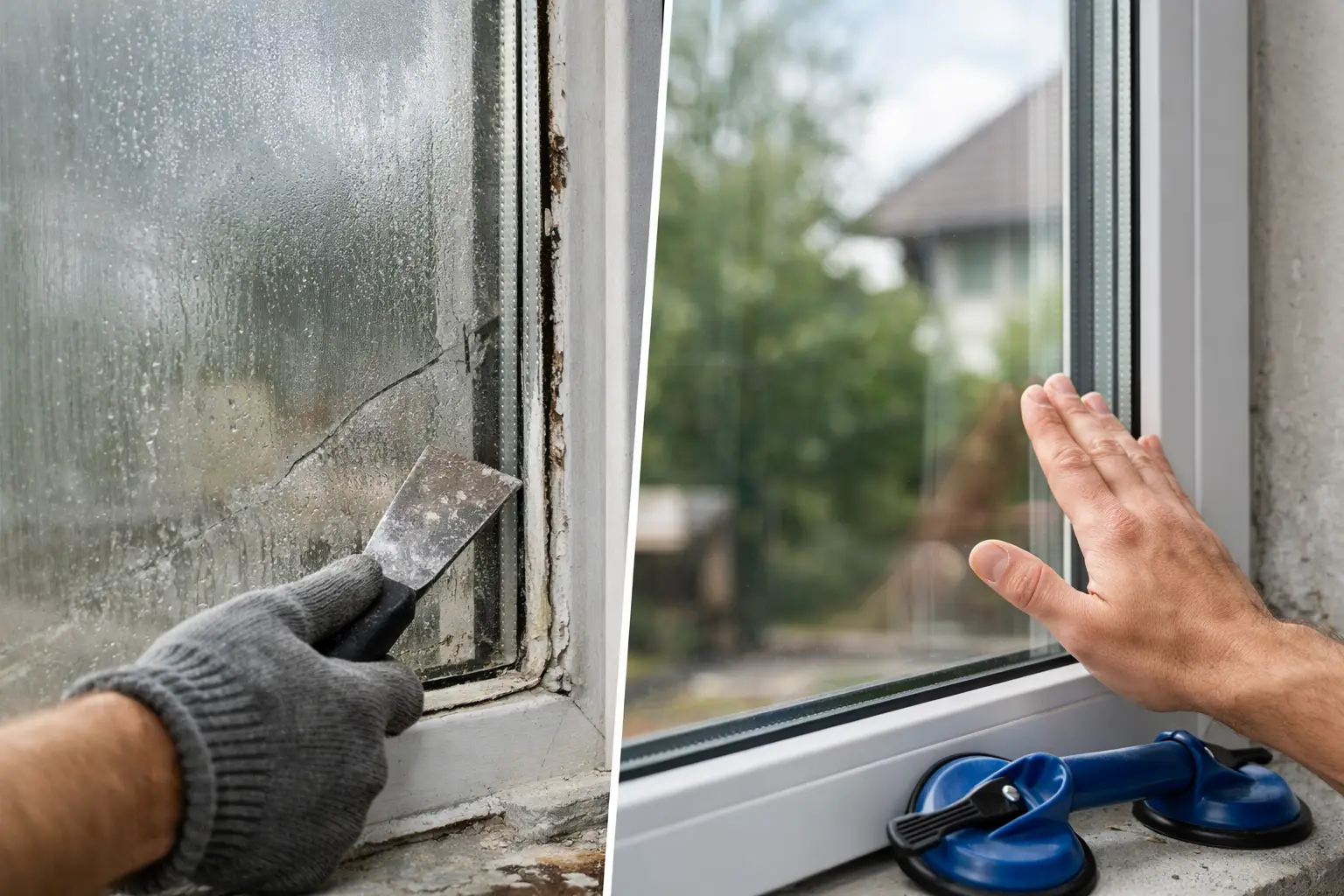
The biggest improvement usually comes when old windows have obvious weak points. Gaps around the frame, worn seals and thin glass all make it easier for sound to enter. Replacing those with well-made, properly installed windows often improves comfort straight away.
What actually makes a window better at blocking sound?
A lot of homeowners assume thicker glass is the whole answer. It certainly helps, but sound reduction is usually a combination of several factors working together.
Glazing type
Double glazing generally performs better than single glazing because there are two panes of glass instead of one, with a sealed gap in between. That extra barrier can reduce how much sound passes through. In some cases, acoustic glazing offers a further step up, using different glass thicknesses or specialist laminated glass to disrupt sound waves more effectively.
The detail matters here. A standard double glazed unit can improve noise levels, but not every double glazed window performs the same. A unit designed with acoustic performance in mind tends to do a better job than a basic replacement chosen on price alone.
The gap between the panes
The space between panes also affects sound insulation. A well-designed gap can help weaken certain frequencies before they reach the inside of the room. This is one reason why some glazing units perform better than others, even when they look similar at first glance.
Frame quality
The frame is not just there to hold the glass in place. A solid, well-manufactured frame helps create a tighter seal and reduces vibration. Modern uPVC windows are popular because they combine good insulation, durability and low maintenance, but the quality of the frame still matters.
Installation quality
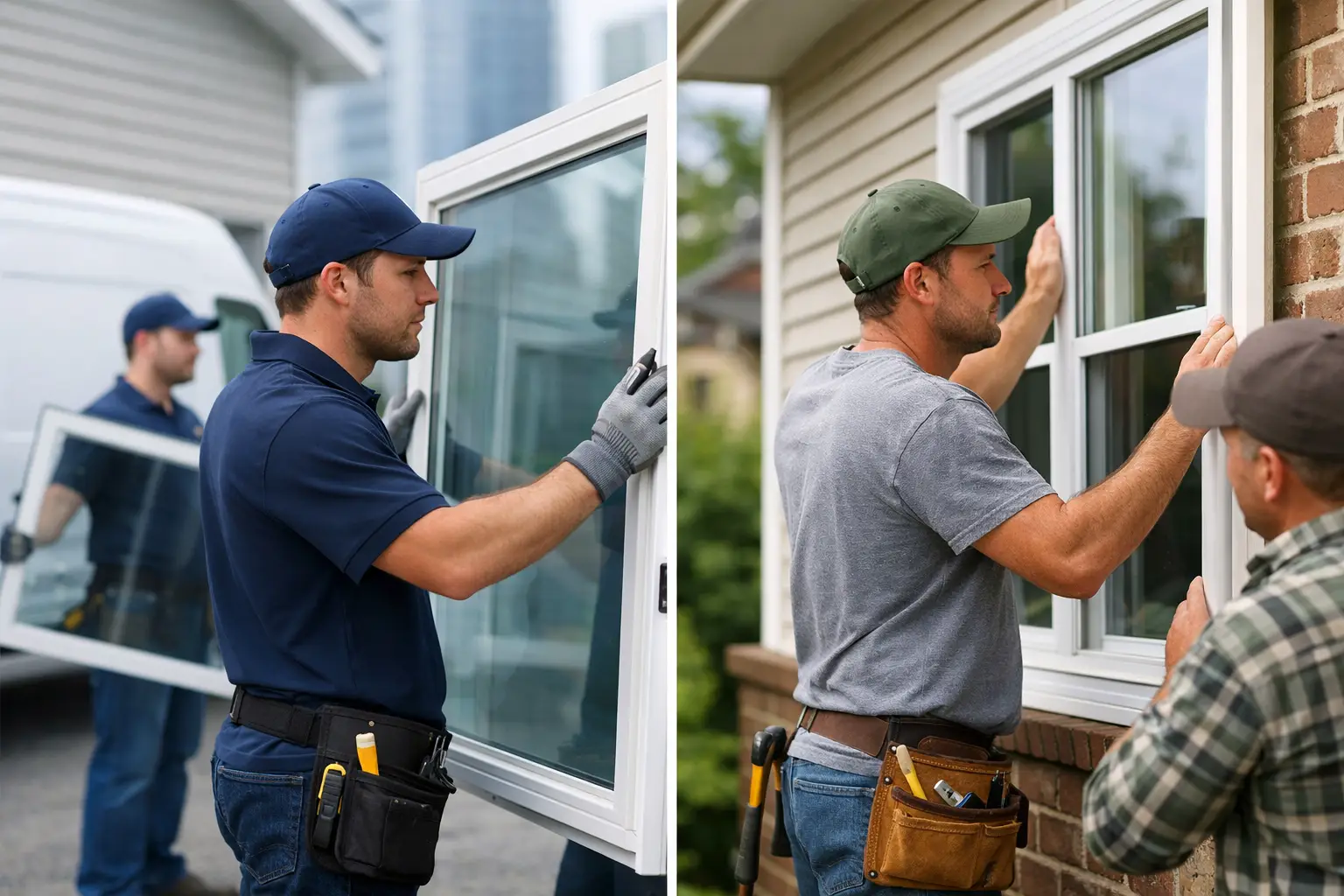
Even the best window on paper can disappoint if it is fitted badly. Poor installation leaves gaps, weak seals and uneven pressure around the frame, all of which can let noise in. This is why experienced in-house installation matters. A properly fitted window is far more likely to deliver the level of performance you were promised.
When new windows make the biggest difference
Noise reduction tends to be most noticeable in homes with older windows. If you are replacing timber frames that have warped over time, first-generation double glazing that has deteriorated, or single glazed units in a busy area, the improvement can be significant.
Homes near main roads often see the clearest benefit. The same goes for properties near schools, pubs, bus routes or regular pedestrian traffic. If your issue is constant background noise rather than the occasional loud event, new windows can help take the edge off it and make the room feel much less tiring to be in.
Bedrooms and front-facing living rooms are usually where people notice the difference first. That is because these spaces are used for rest, conversation and daily routine. Once the outside noise is reduced, the whole house can feel more settled.
When the result is more limited
There are times when replacement windows help, but not as much as people hope. If the main source of noise is coming through walls, trickle vents, doors or the roof rather than the windows themselves, then changing the windows alone will not solve everything.
Very loud, low-frequency sound can also be difficult to block fully. Heavy lorries, motorbikes and aircraft noise are harder to reduce than lighter background sounds. You may still hear them, just less sharply.
It also depends on what you have already. If your current windows are relatively modern, in good condition and already double glazed, the jump to another standard double glazed unit may be modest. In that case, acoustic glass or a more tailored specification may be worth discussing.
Standard double glazing or acoustic glass?
This is where honest advice matters. Not every home needs specialist acoustic glass. For many properties, modern energy-efficient double glazing with quality frames and proper installation provides a worthwhile reduction in noise alongside better warmth and security.
Acoustic glass tends to be more suitable when noise is a serious day-to-day problem. If you live on a busy road, close to a junction or in an area with regular late-night activity, it may be worth considering. It is designed specifically to reduce sound transmission, and in the right setting it can offer a better result than standard glazing.
That said, there is a trade-off. Acoustic options can add to the cost, and the best choice depends on the level and type of noise you are dealing with. A good installer should explain the likely benefit clearly rather than overselling a specification you may not need.
Do all rooms need the same window specification?
Not always. A front bedroom facing the road may benefit from a higher-performing glazed unit than a back room overlooking the garden. Some homeowners prefer to invest more where they will notice it most and keep the rest of the property to a standard specification.
That can be a sensible way to balance comfort and budget. It is also one reason a one-size-fits-all quote is not always the best approach. The right window for noise reduction should suit the room, the property and the source of the disturbance.
Other benefits come with the noise reduction
People usually start by asking about sound, but new windows often improve several things at once. Better sealing and glazing can reduce draughts, improve thermal efficiency and help maintain a more even indoor temperature. You may also notice better security, smoother operation and a neater overall finish.
That wider benefit matters when you are weighing up the cost. If your existing windows are old, inefficient or difficult to maintain, noise reduction is only part of the value. You are also improving how the home feels and performs day to day.
What to ask before choosing replacement windows
If noise is one of your main concerns, it is worth raising it early when getting a quotation. Say what type of noise is bothering you, which rooms are affected and whether it is constant or occasional. That gives the installer a better chance of recommending the right option.
Ask what glazing is included, whether acoustic glass is available, and whether the frame and sealing details are designed to support sound reduction. It is also reasonable to ask who will carry out the installation. A well-fitted window is every bit as important as the specification itself.
For homeowners in Leicester and the surrounding area, this is where a local company with practical experience can be especially useful. The advice tends to be more grounded in the type of properties, roads and everyday noise people actually deal with.
The honest answer
So, do new windows reduce noise? Yes, they often do, and sometimes by more than people expect. But the answer is not simply about buying any new window and hoping for the best. The real difference comes from choosing the right glazing, the right frame, and having it installed properly.
If your current windows are old, draughty or poorly sealed, replacement windows can make your home quieter, more comfortable and easier to live in. And if noise is affecting your sleep, your work or your general peace at home, that kind of improvement is not just a nice extra – it can change how the whole house feels.