Wiping down windows every morning gets old very quickly, especially when the sill is wet, the room feels chilly and you start wondering whether your glazing is the problem. A question we hear a lot is this: can double glazing stop condensation? The honest answer is yes, it can reduce it significantly in the right circumstances, but it will not solve every condensation issue on its own.
That matters because condensation is not always a sign that your windows have failed. In many homes, it is a mix of warm indoor air, everyday moisture and surfaces that are cold enough for water vapour to turn back into droplets. Good double glazing can help by keeping the inner pane warmer, but the rest of the house still plays a part.
Can double glazing stop condensation on windows?
In many cases, yes. Modern double glazing helps reduce condensation on the inside of windows because it insulates better than old single glazing or dated sealed units. With two panes of glass and an insulating gap between them, less heat escapes, so the internal glass surface stays warmer. That warmer surface makes condensation less likely to form.
If you have older windows, particularly single glazing, aluminium frames without a thermal break or failing double glazed units, replacing them can make a noticeable difference. Bedrooms, bathrooms and kitchens often show the improvement first because they produce the most moisture.
However, double glazing is a reduction measure rather than a magic fix. If a property has high humidity, poor ventilation or cold spots elsewhere, condensation may simply move from the glass to another surface such as walls, corners or ceilings.
Why condensation happens in the first place
Condensation forms when warm, moist air hits a colder surface. That is why it often appears first thing in the morning on bedroom windows, after showers in the bathroom or while cooking in the kitchen.
Everyday living creates more moisture than many homeowners realise. Breathing, drying clothes indoors, cooking, showering and even houseplants all add water vapour to the air. If that moisture has nowhere to go, it settles on the coldest available surface.
Windows are often blamed because they make condensation easy to spot. In reality, they may be highlighting a ventilation or insulation issue elsewhere in the property. New glazing can improve the situation, but it works best as part of a wider approach.
Where double glazing helps most
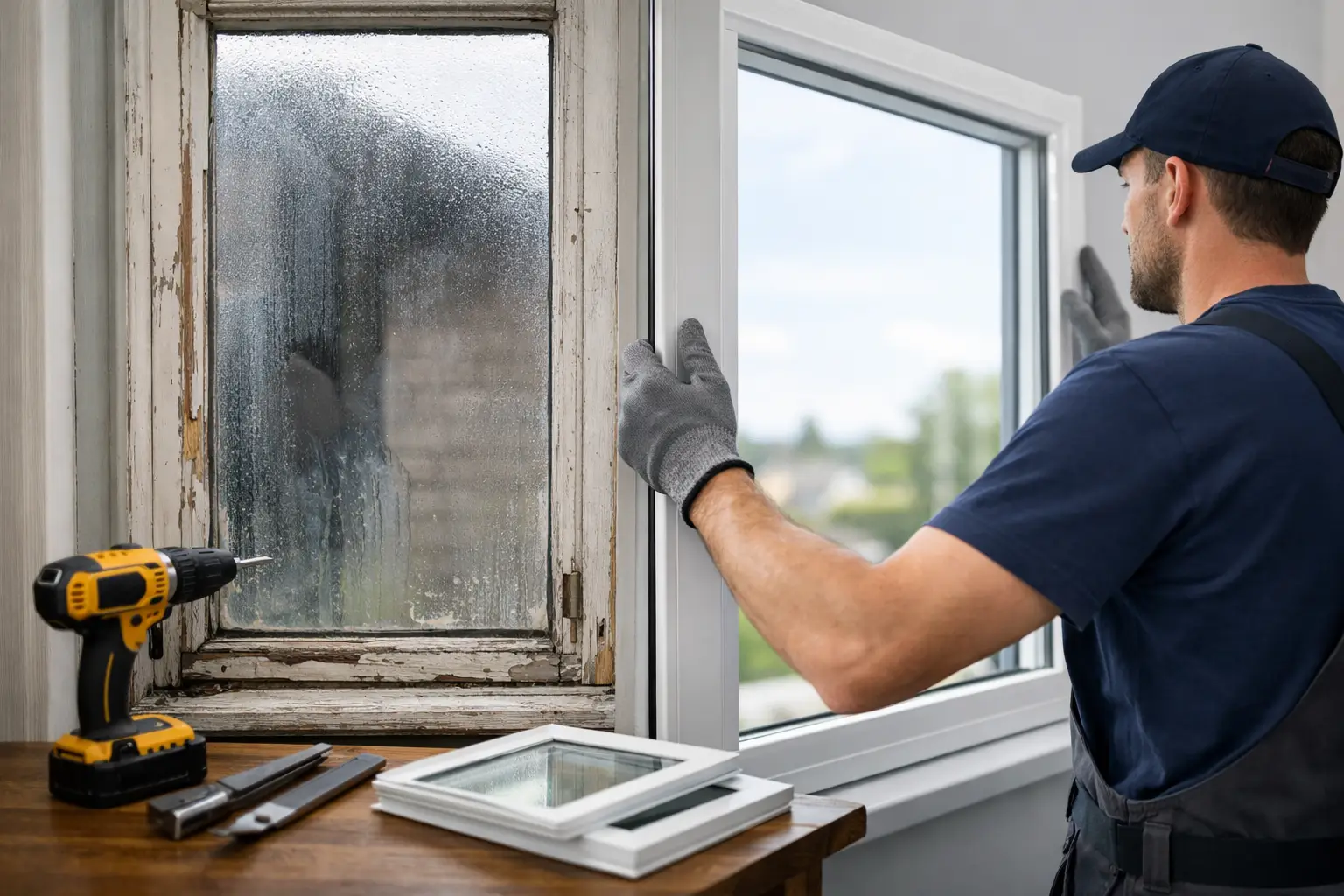
Double glazing is particularly effective where the existing windows are old, draughty or poorly insulated. Replacing tired units with modern, energy-efficient glazing can lift the internal glass temperature enough to cut down regular surface condensation.
This is one reason many homeowners notice rooms feeling more comfortable after window replacement. It is not just about stopping draughts. Better glazing can help maintain a steadier indoor temperature, which means fewer very cold surfaces and less opportunity for moisture to settle.
Frames matter too. Well-made uPVC windows with proper seals and quality installation usually perform better than ageing frames with gaps, warped sections or worn gaskets. Good workmanship makes a real difference because even the best products need to be fitted properly to achieve the expected result.
When double glazing will not fix the problem by itself
If moisture levels inside the home are high, condensation can still appear even on good windows. This is common in properties where extractor fans are weak or not used, trickle vents stay shut, washing is dried on radiators and rooms are not heated consistently.
In those cases, the issue is not that the double glazing is ineffective. It is that the moisture load in the home is too high for the windows alone to deal with. The glass may perform better than before, but if humid air keeps building up, some condensation will still happen.
There is also a difference between condensation on the room side of the glass and condensation inside the sealed unit. If the moisture is trapped between the two panes, that usually points to seal failure rather than normal household humidity. Once the seal has broken, the unit has lost much of its insulating performance and the glass may look misted all the time.
Internal, external and between-the-panes condensation
Not all condensation means the same thing, and understanding the type helps you decide what to do next.
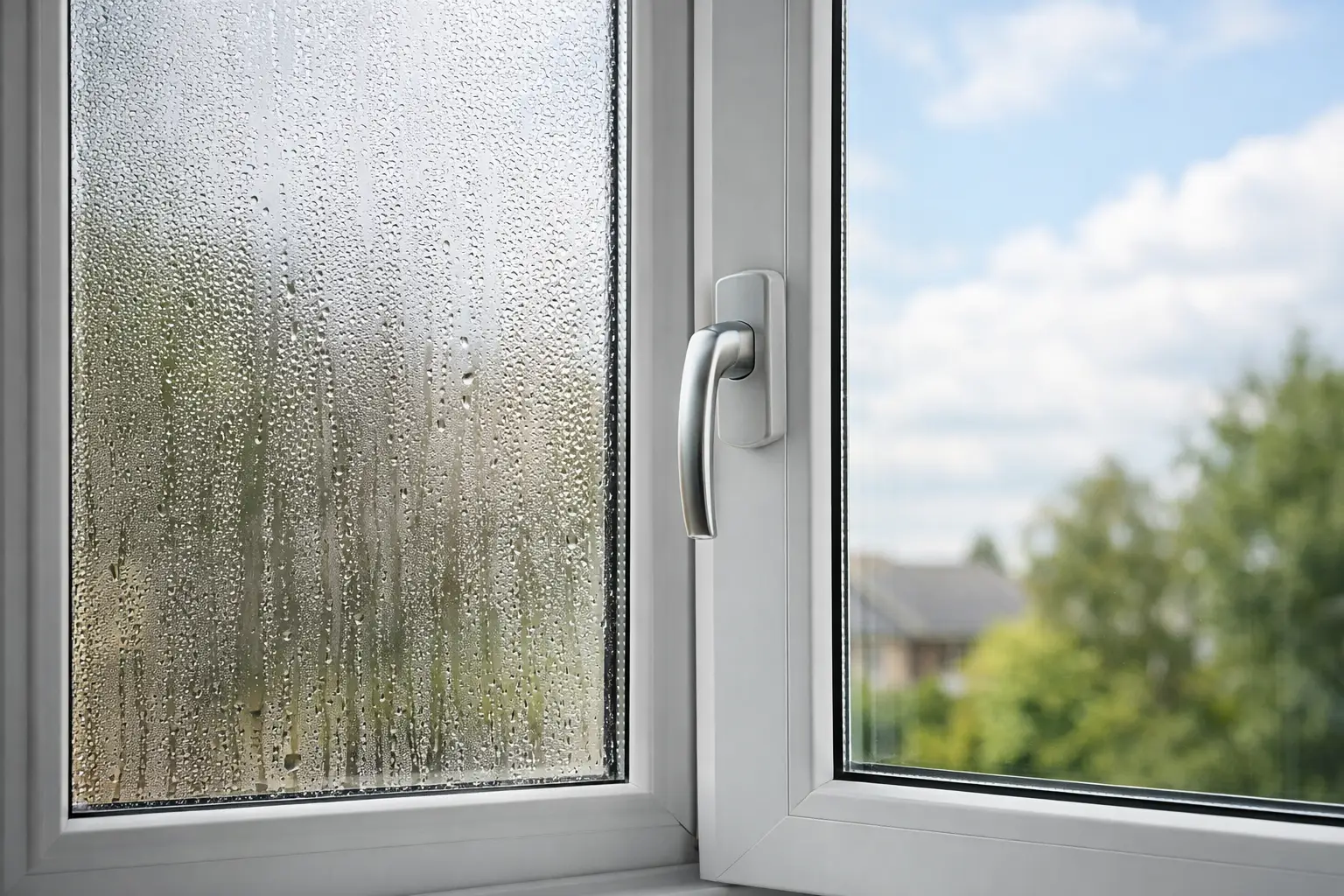
Internal condensation is the most common. It appears on the inside face of the glass and is usually caused by household humidity meeting a cooler surface. This is the type that better double glazing can often reduce.
External condensation appears on the outside of the window. Although it can be frustrating, it is often a sign that the glazing is performing well. Because the outer pane stays cooler, especially overnight, moisture in the outside air can settle there. It normally clears as the day warms up.
Condensation between the panes is different again. That usually means the sealed unit has failed and moisture has entered the gap. If that happens, the glass unit will generally need replacing.
Signs your windows may be making condensation worse
If your home has persistent condensation, it is worth looking at the condition of the windows as well as the general ventilation.
Cold glass, noticeable draughts, damaged seals, black mould around frames and misting between panes can all point to poor-performing windows. Older units may still look acceptable from a distance but be letting out heat far more than they should.
You might also notice certain rooms suffer more than others. North-facing bedrooms, box rooms with limited airflow and kitchens without effective extraction tend to struggle first. If those spaces also have ageing glazing, replacement can be a sensible long-term improvement.
What else helps reduce condensation?
The best results usually come from combining decent glazing with practical moisture control around the home. Ventilation is a big part of that. Using extractor fans while cooking and showering, opening windows for short periods and keeping trickle vents open where fitted can all help remove damp air.
Steady heating also matters. Letting rooms become very cold and then quickly warming them can increase condensation risk. A more consistent background temperature helps keep surfaces warmer and reduces sharp swings.
Small daily habits make a difference too. If possible, dry clothes outside or use a vented tumble dryer, keep pan lids on while cooking and avoid pushing large furniture tight against cold external walls where air cannot circulate properly.
If condensation is severe, a dehumidifier may help in the short term, but it should not be used to mask an issue that really needs sorting at source.
Is replacing old windows worth it for condensation?
If your current windows are outdated, inefficient or failing, replacement is often worth considering. Not only can it reduce condensation on the glass, it can also improve warmth, comfort, noise reduction and energy efficiency.
That said, it is important to be realistic. If a salesperson claims new windows will completely eliminate condensation in every case, that should raise questions. A reliable installer will tell you what glazing can improve and where the limits are.
For many homeowners, the most sensible approach is to assess the whole picture. Are the existing windows old or blown? Is ventilation poor? Are certain rooms underheated? Honest advice should take all of that into account rather than blaming everything on the glass.
At CW Doors & Windows, that practical approach matters because homeowners need solutions that fit the property, not a one-size-fits-all pitch. Sometimes the answer is replacement glazing. Sometimes it is a mix of better ventilation and targeted upgrades.
Can double glazing stop condensation in older homes?
Older homes can benefit from double glazing, but the result depends on the property. If the house has solid walls, little insulation and limited ventilation, new windows may help but they will not solve every cold-surface problem.
In fact, once windows become more efficient and draughts are reduced, existing ventilation weaknesses can become more noticeable. The home feels less leaky, which is good for warmth, but moisture needs a planned route out. That is why a balanced approach is important, especially in period properties.
The good news is that many older homes still see a clear improvement from quality double glazing, particularly where the original windows are badly worn. You just need to look at the wider environment rather than expecting the glass alone to do all the work.
If your windows stream with water most mornings, the right question is not simply whether double glazing can stop condensation. It is whether your current windows are underperforming, whether your home is holding too much moisture, or both. Get that diagnosis right, and the fix becomes much clearer. A warmer, drier home usually comes from a few sensible improvements working together, not from guesswork.