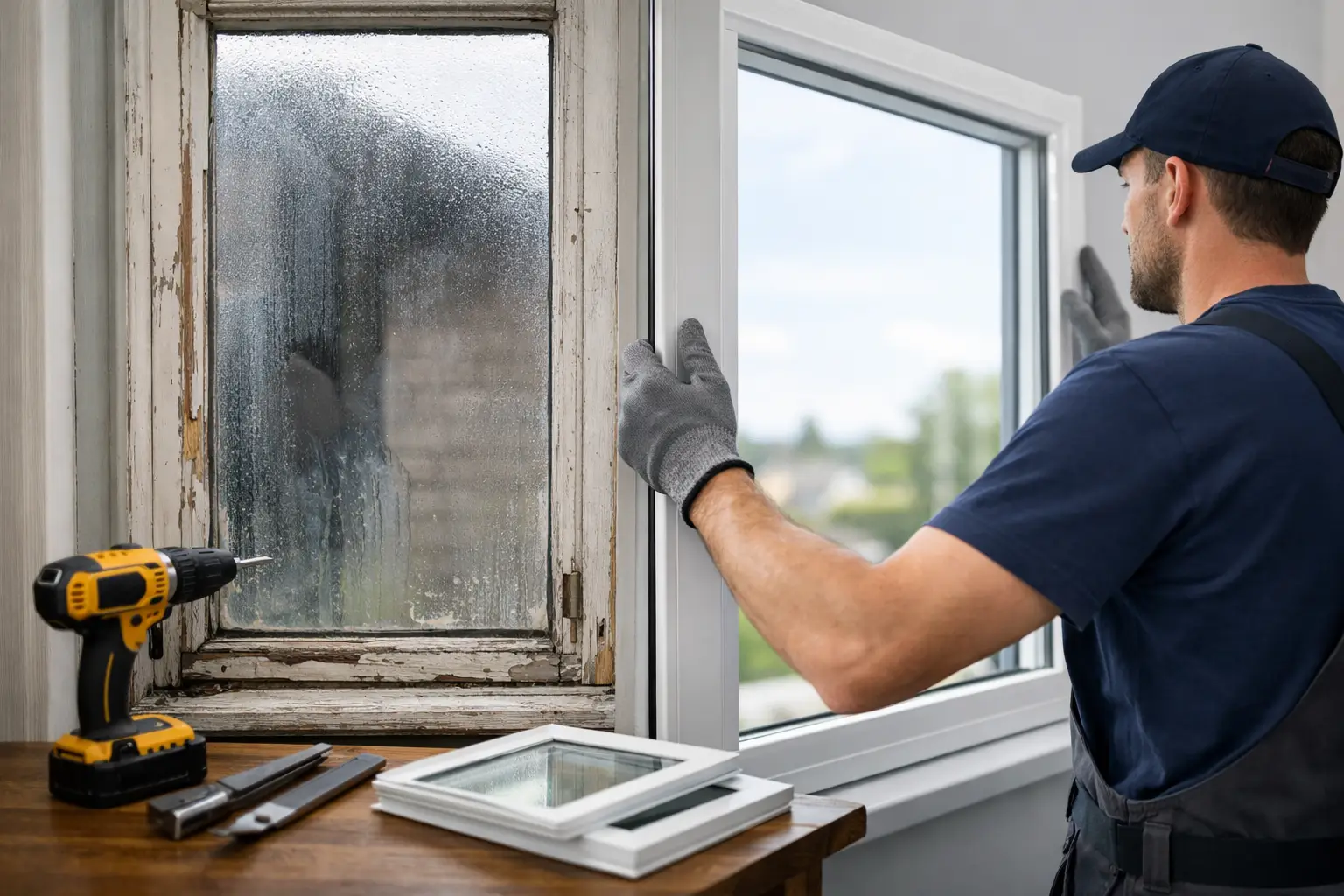
If your windows are draughty in winter, sticking in the frame, or starting to look tired from the street, replacing them can make a bigger difference than most homeowners expect. Knowing how to choose replacement windows is really about getting the balance right between appearance, warmth, security and price – not simply picking the cheapest quote or the first style you like.
The right windows should suit your property, perform well for years and be fitted properly. That sounds obvious, but many problems start when one of those parts is overlooked. A good-looking window that is badly installed will still let you down, and a low price can stop looking attractive very quickly if the finish, locking system or aftercare are poor.
How to choose replacement windows for your home
The best place to start is with your reason for replacing them. For some households, the main issue is heat loss and rising energy bills. For others, it is condensation, outside noise, security or simply wanting the house to look smarter. Being clear about your priority helps narrow the choice straight away.
If you are replacing windows in a family home, warmth, security and easy maintenance are usually at the top of the list. If you own a rental property, durability and value may matter more. If the house has a particular style, you may want windows that improve performance without looking out of place.
This is where honest advice matters. Not every property needs the same specification, and not every upgrade is worth paying extra for. The aim is to choose windows that solve the problems you actually have.
Start with the frame material
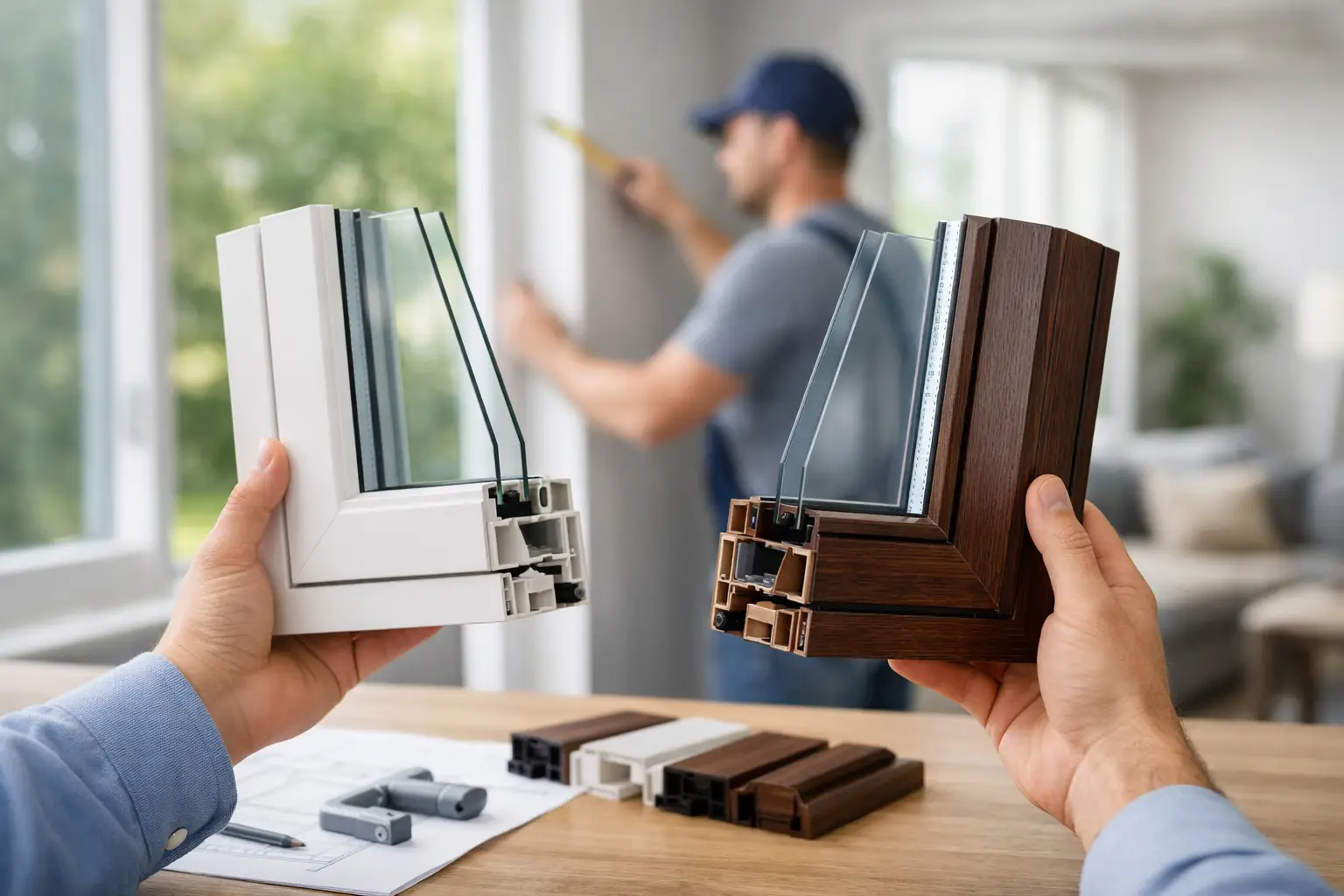
For many homes, uPVC remains the most practical option. It is popular for good reason – it is durable, low maintenance, cost-effective and available in a wide range of finishes. For homeowners who want a clean look and dependable performance without regular upkeep, it is often the straightforward choice.
That said, not all uPVC windows are equal. Profile quality, reinforcement, seals, hardware and the standard of installation all affect how well they perform. Two windows may look similar in a brochure but feel very different after a few winters.
If you are choosing on value, think beyond the upfront figure. A slightly better product can be worth it if it offers stronger security, better insulation and a neater finish that lasts. Replacement windows are not something most people want to do twice.
Choose a style that suits the property
Casement windows are one of the most common choices because they work well on many types of home. They are versatile, secure and usually straightforward to maintain. If you want a reliable option that suits modern and traditional properties alike, they are often a safe bet.
Flush sash styles can be a good fit if you prefer a more traditional appearance. These sit flatter within the frame and can soften the look of newer materials on older homes. Tilt and turn windows are practical in some settings too, especially where easy cleaning or ventilation matters.
The key is to think about the whole elevation, not each window in isolation. A style that looks good on the back of the house may not suit the front. Consistency usually gives the best result, though there are cases where a tailored approach makes sense.
Pay attention to glazing and energy efficiency
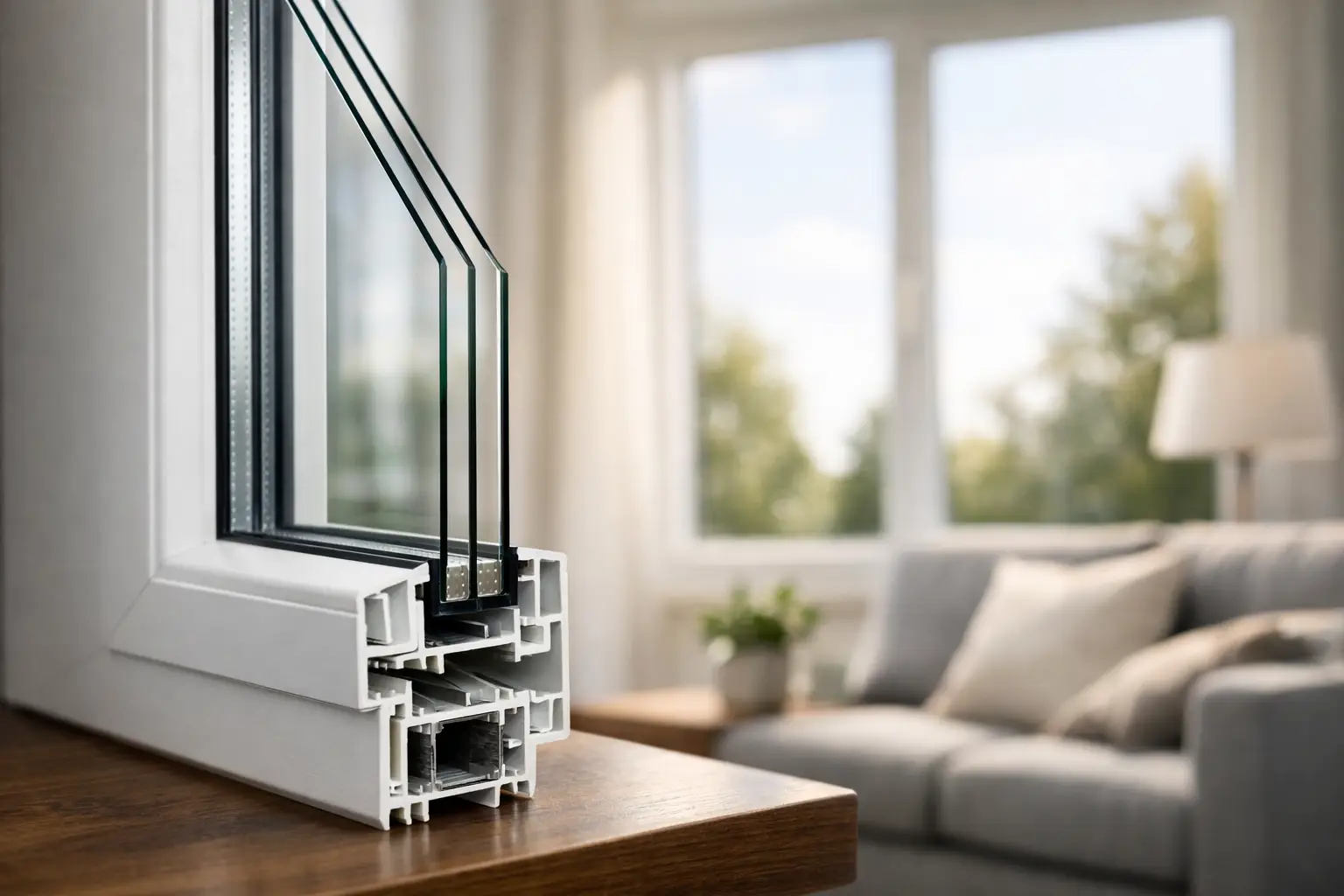
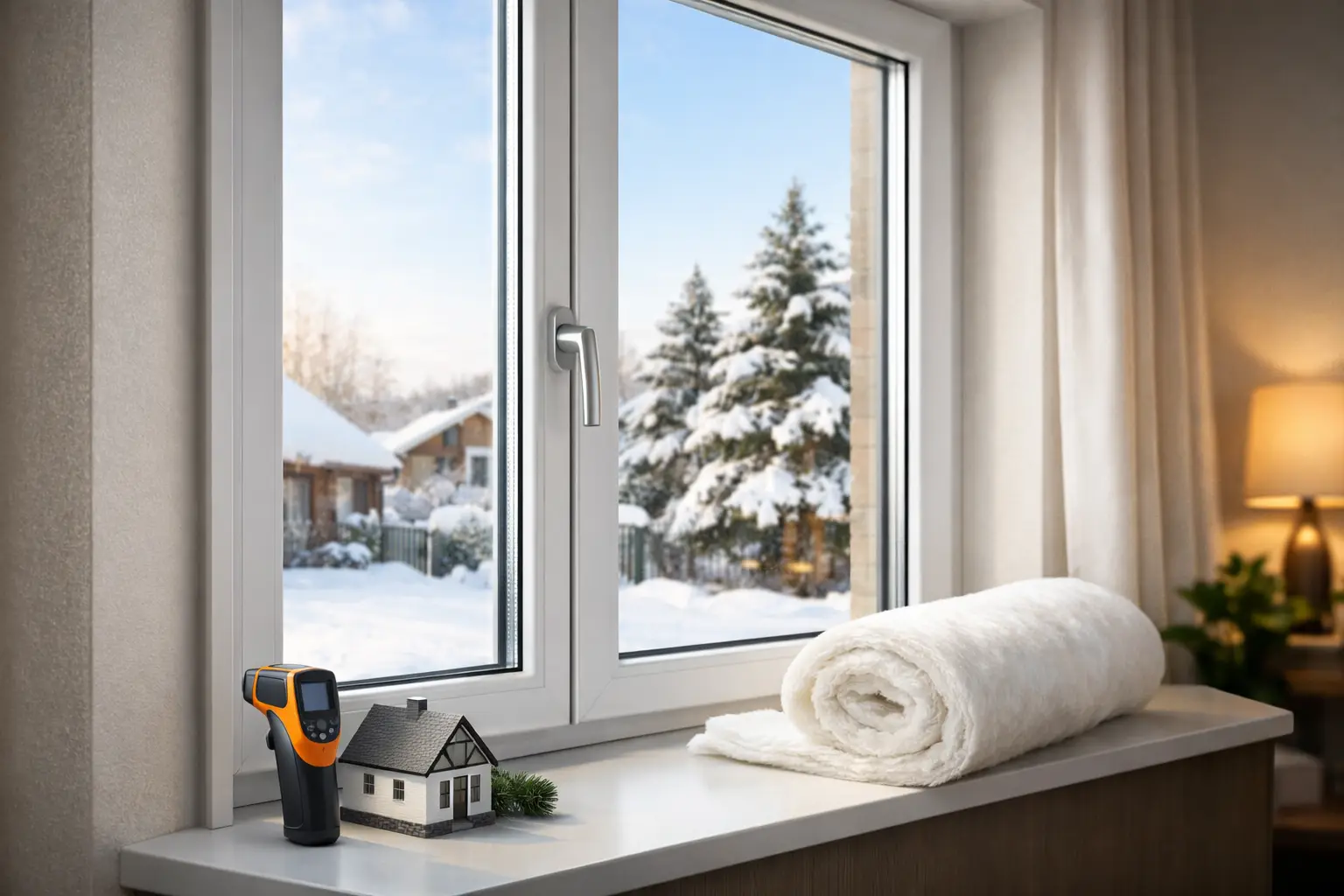
Most homeowners replacing older windows want a warmer house and lower heat loss. That makes glazing one of the most important parts of the decision. Modern double glazing can improve comfort significantly, especially if your current windows are old, misted or poorly sealed.
Energy efficiency ratings can be useful, but they are not the whole story. A well-made, well-fitted window with quality seals can outperform a supposedly impressive specification that is installed badly. Ask what is included, how the units are built and what performance you can realistically expect.
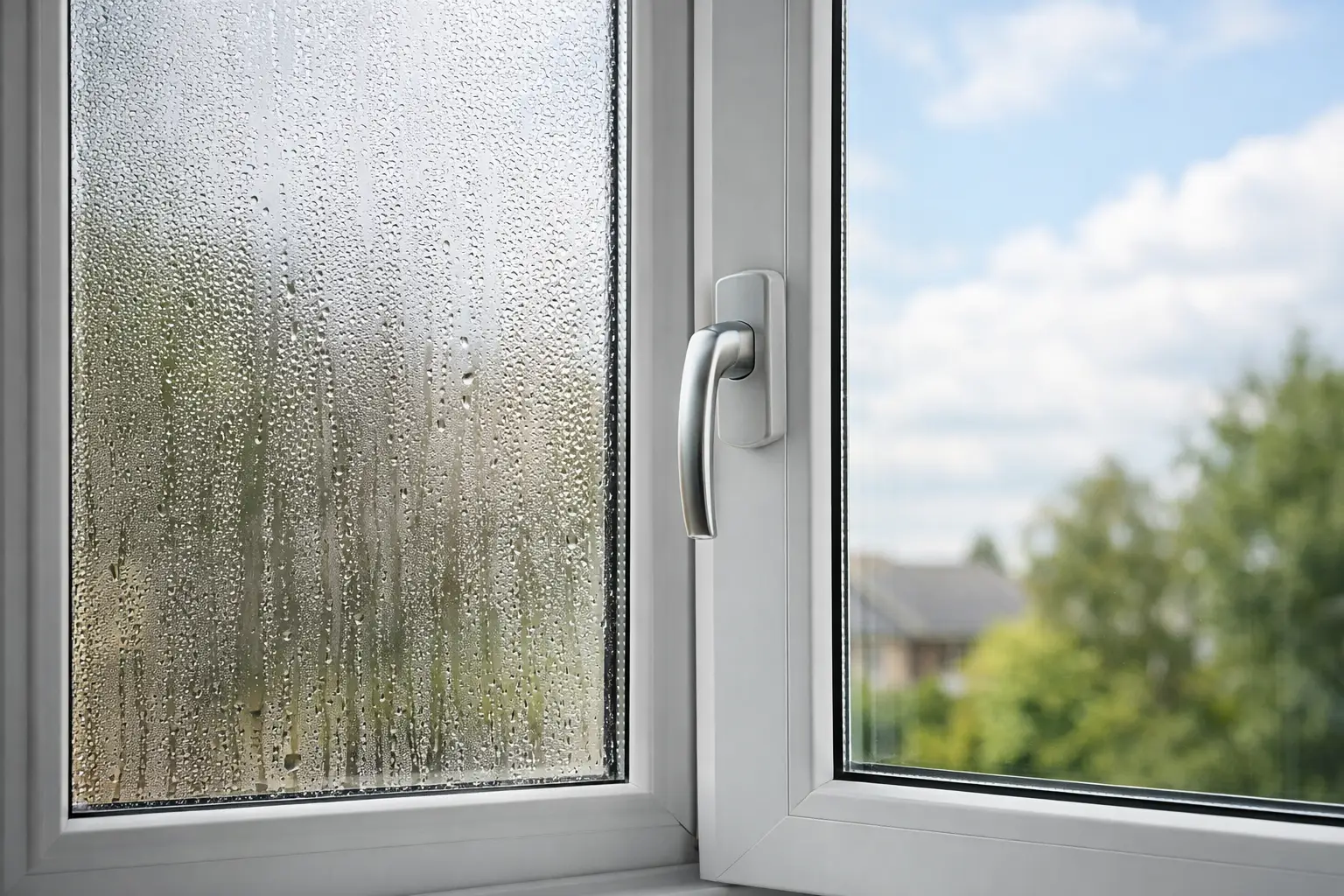
If your home suffers from cold spots or condensation, better glazing can help, but ventilation still matters. Windows should keep the weather out without creating stale, trapped air indoors. That is why it helps to choose an installer who looks at the wider picture rather than selling on headline claims alone.
Noise reduction can matter just as much
If you live on a busy road or near regular traffic, outside noise may be one of the reasons you are replacing your windows. In those cases, glazing choice becomes even more important. Different glass specifications can help reduce sound intrusion, although expectations should stay realistic. Windows can cut noise down, but they may not remove it entirely.
This is another example of why one-size-fits-all advice falls short. A quiet cul-de-sac and a main road call for different conversations.
Security should be built in, not added on
A replacement window should make your home feel more secure, not just look newer. Strong frames, dependable locking systems and quality hardware all matter. If security is high on your list, ask specifically about locks, hinge protection and reinforcement rather than assuming every modern window is much the same.
Ground floor windows and easily accessible openings deserve particular attention. Bedrooms, side elevations and rear-facing windows can sometimes be more vulnerable than the main front aspect. Good security is often about these practical details.
At the same time, security should still work with daily life. A window that is awkward to open, close or ventilate properly will become a frustration. The best products feel solid and secure without being difficult to use.
Think carefully about colour and finish
White remains a popular choice because it is clean, classic and suits most homes. But it is no longer the only sensible option. Many homeowners now choose grey, black or wood-effect finishes to give the property a more updated look.
This can improve kerb appeal, but it is worth thinking long term. Trend-led colours may suit your taste now, though a more neutral finish can be easier to live with over the years. The right answer depends on your property style, your plans for the home and whether you want the windows to stand out or blend in.
Hardware finishes also make a difference. Handles, hinges and decorative details can lift the final appearance, especially on the front of the house. These are not the biggest part of the budget, but they do affect the finished result.
How to compare quotes properly
Price matters, and most sensible homeowners will compare quotes before going ahead. The important thing is to compare like for like. A lower figure is not always better value if the specification is weaker, the installer uses subcontractors, or key items have been left vague.
Ask what is included in the price. Does it cover removal of old windows, making good inside and out, trims, cills and disposal of waste? Are the locking systems and glass specification clearly stated? Is the installation being carried out by the company itself or passed to outside fitters?
This is often where local, service-led firms stand apart from larger sales-driven companies. Clear quotations, straightforward advice and no pressure make it easier to understand what you are paying for. If a quote feels rushed or overly polished but light on detail, take that as a warning sign.
The installer matters as much as the window
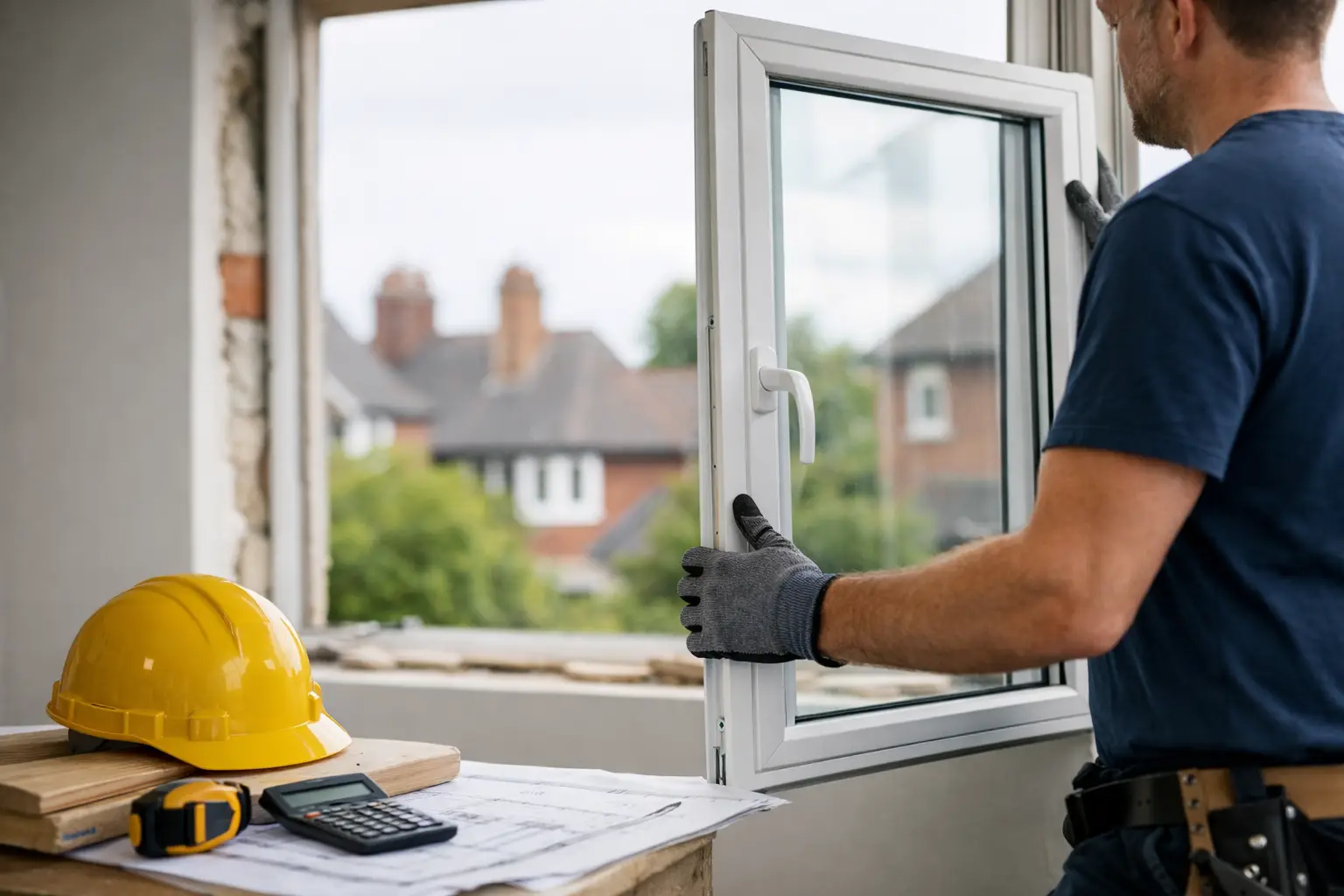
Even an excellent product can disappoint if the fitting is poor. Gaps, uneven finishes, draughts and operating problems often come down to installation rather than the frame itself. That is why choosing who fits the windows is just as important as choosing the windows.
Look for experience, consistency and accountability. A company that measures carefully, explains options clearly and installs with its own team can usually offer more confidence than one relying on whichever crew is available. Good aftercare matters too. If there is an issue after fitting, you want to know exactly who is responsible for putting it right.
For homeowners in and around Leicester, that local accountability can be a real advantage. A family-run business such as CW Doors & Windows tends to build trust through workmanship and reputation rather than hard selling, and that is often what people remember most once the job is done.
Questions worth asking before you decide
Before signing anything, ask yourself whether the windows suit the house, solve the problem you set out to fix and represent fair value for the quality offered. Then ask the installer to confirm the product specification, guarantee, fitting method and what happens if any snagging needs attention afterwards.
A good company should answer these questions plainly. You should not need to chase for clarity or feel pushed into a quick decision. Replacing windows is a meaningful investment in your home, and it is perfectly reasonable to expect straight answers.
Choosing replacement windows does not have to be complicated when you focus on what matters most – performance, appearance, security, proper fitting and honest pricing. If you keep those points in view, the right choice usually becomes much clearer, and your home is better for it every day after.