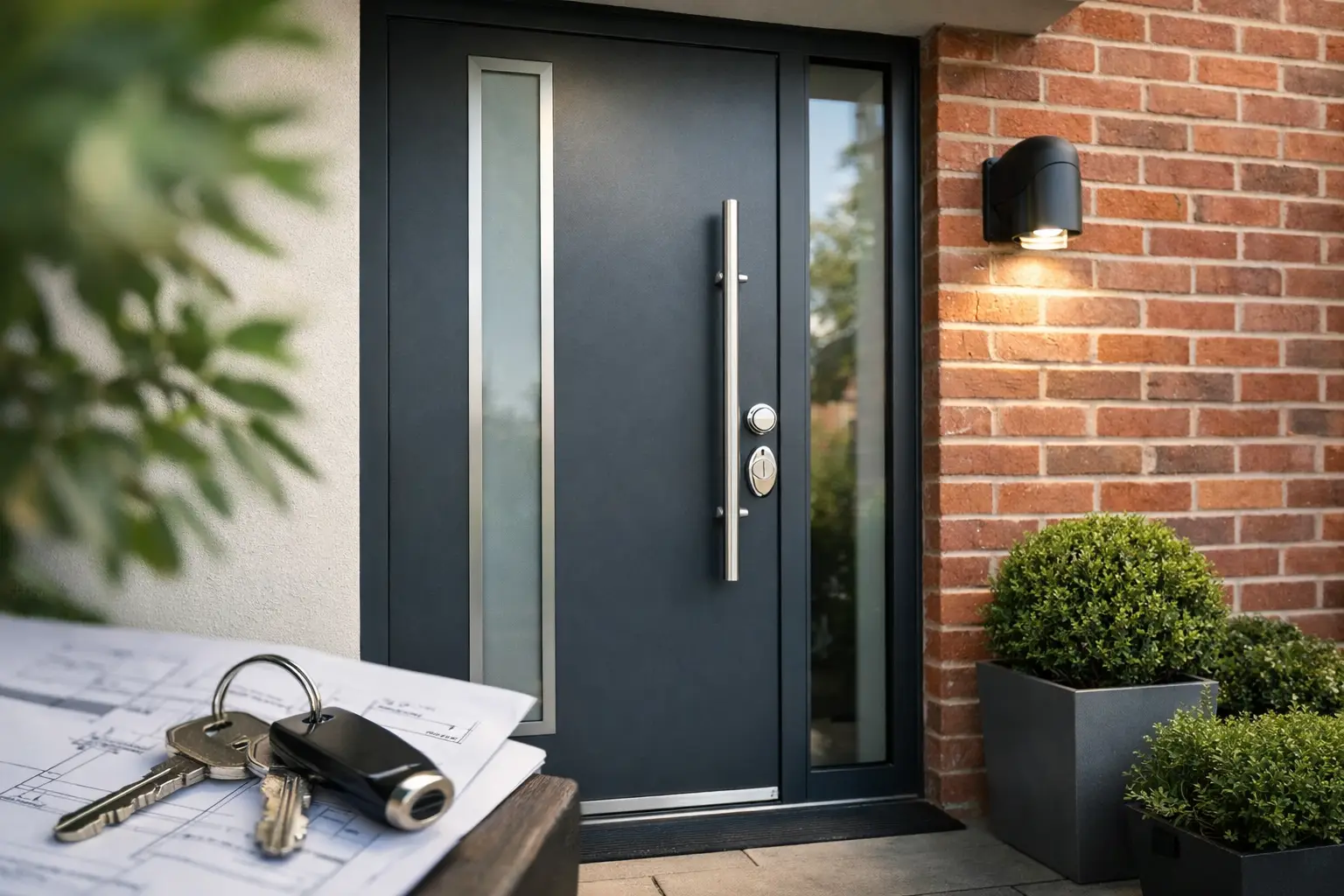
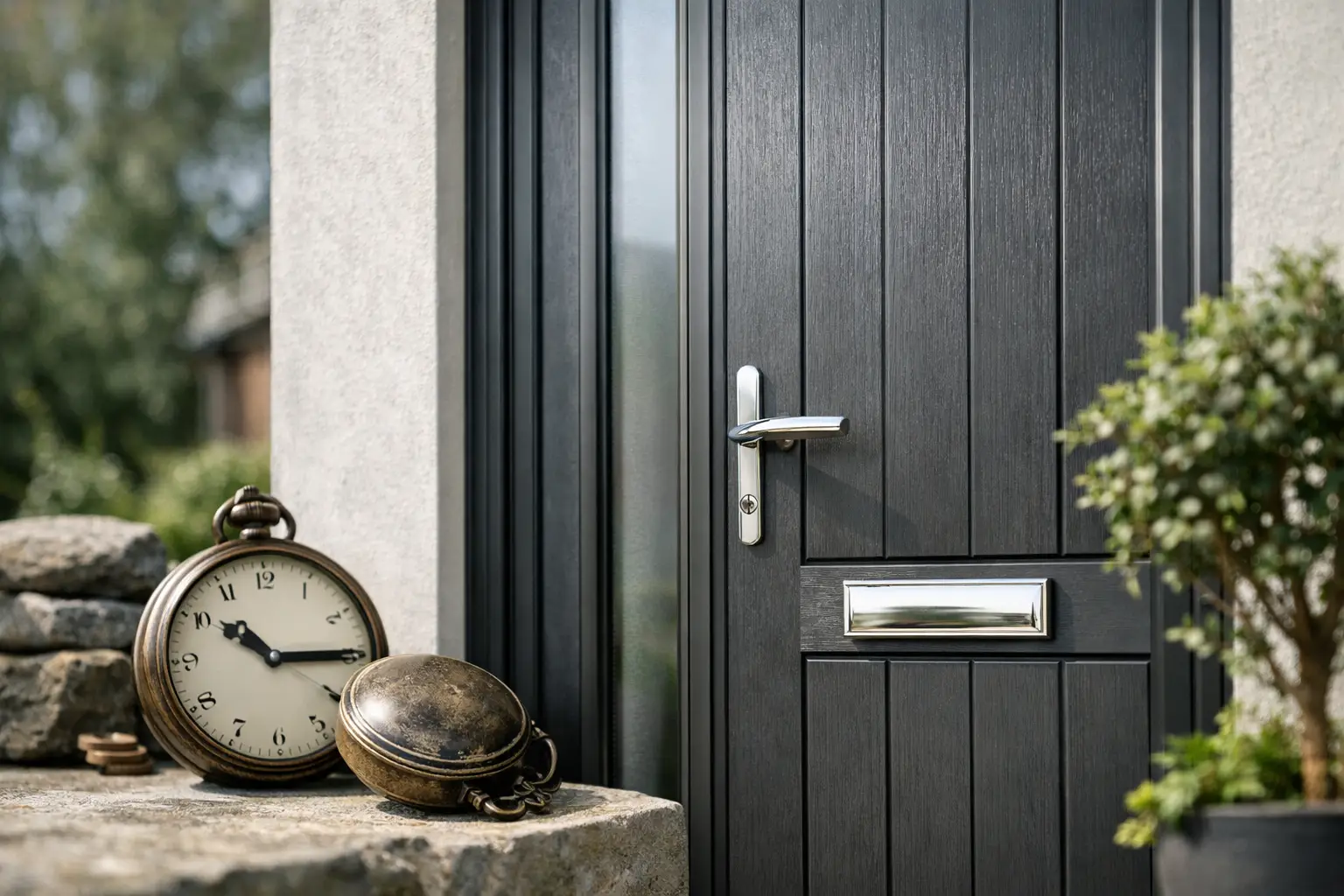
A front door takes more punishment than most parts of a home. It gets slammed, locked, rained on, baked in the sun and expected to keep doing its job year after year. So when homeowners ask how long do composite doors last, they are really asking whether the investment is worth it.
The short answer is that a good composite door will often last around 25 to 35 years. Some can perform well beyond that, but the real lifespan depends on the quality of the door itself, how well it is installed and how much exposure it gets to weather and daily use. That is why two doors fitted in the same street can age very differently.
How long do composite doors last in real homes?
In most homes, a properly made composite door should give you decades of reliable use. That is one of the main reasons people choose them over cheaper alternatives. They are built to handle regular wear without the same level of warping, swelling or rotting you can get with traditional timber.
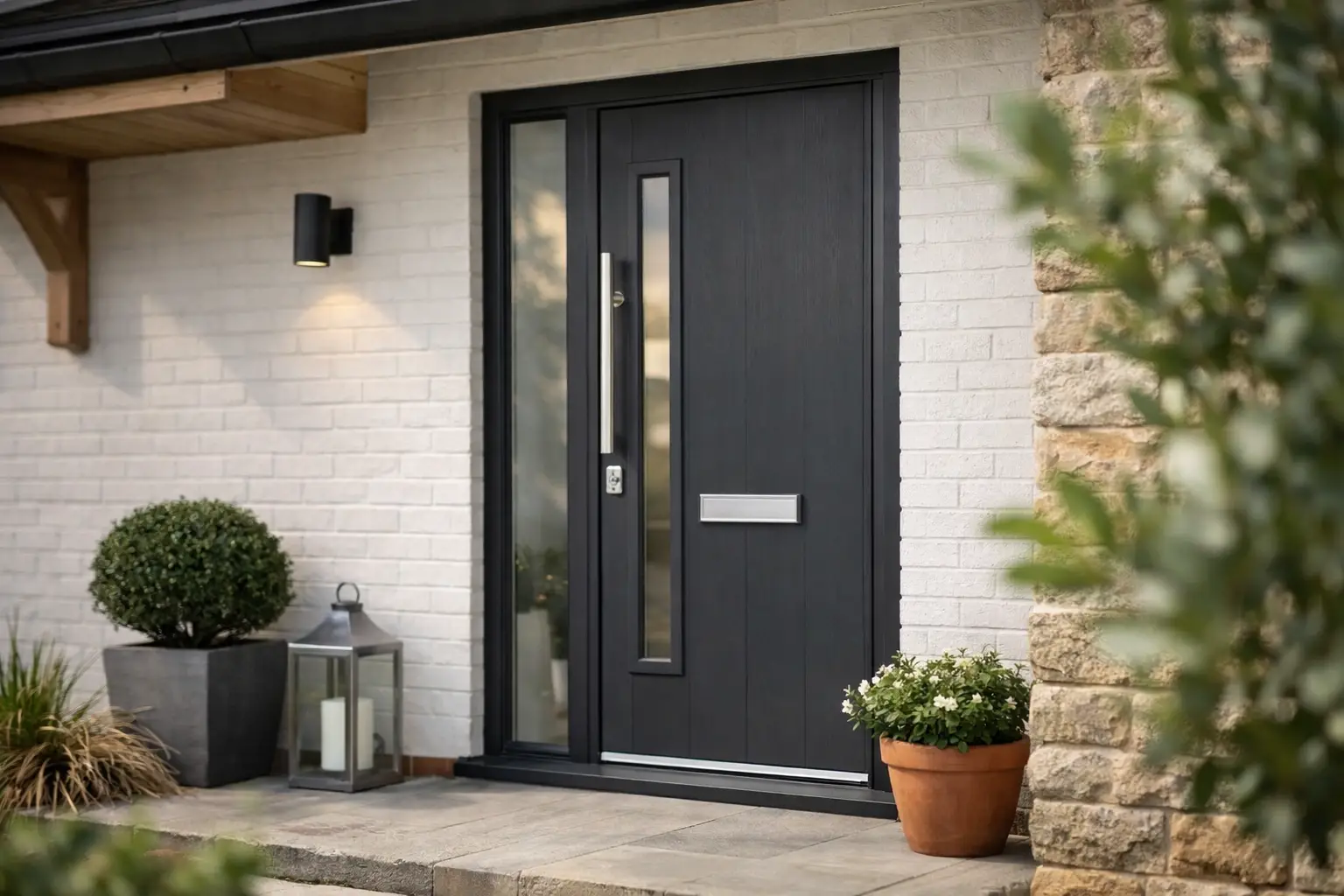
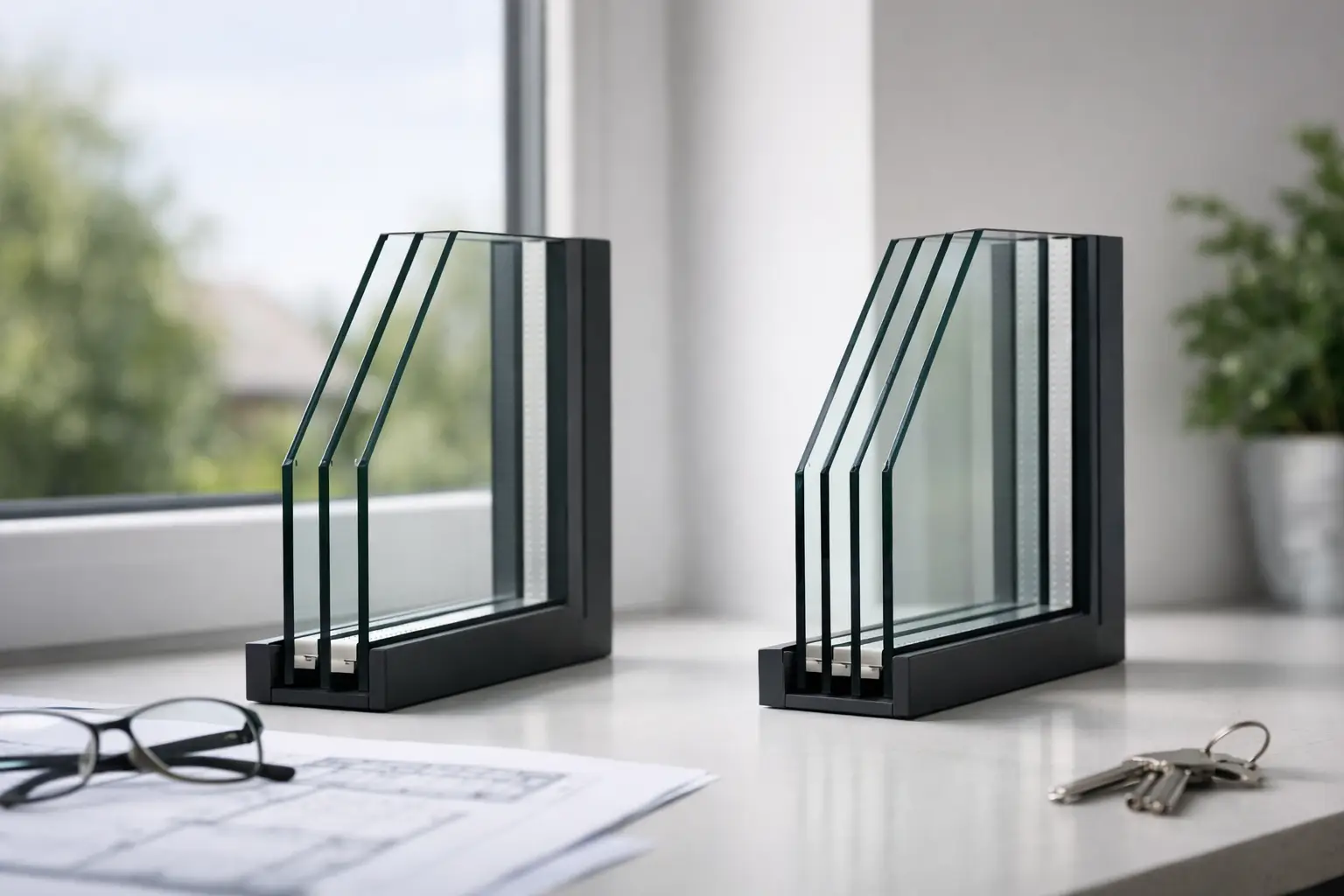
That said, the headline figure only tells part of the story. A composite door is not one single material. It is a combination of layers, often including a solid core, insulating foam, a reinforced frame and a weather-resistant outer skin. The quality of those components matters. A well-manufactured door with a strong frame and decent hardware will usually outlast a budget version that looks similar at first glance.
For homeowners planning ahead, it makes more sense to think in terms of service life rather than just replacement date. If a door still seals well, locks properly, keeps out draughts and looks presentable, it is doing its job. Longevity is not only about the slab itself. Hinges, handles, glazing units, seals and locks all play a part.
What affects how long composite doors last?
The biggest factor is product quality. Not all composite doors are equal, and the gap between a well-built door and a cheaper one can be significant. Thicker skins, better cores and stronger reinforcement usually mean better durability over time.
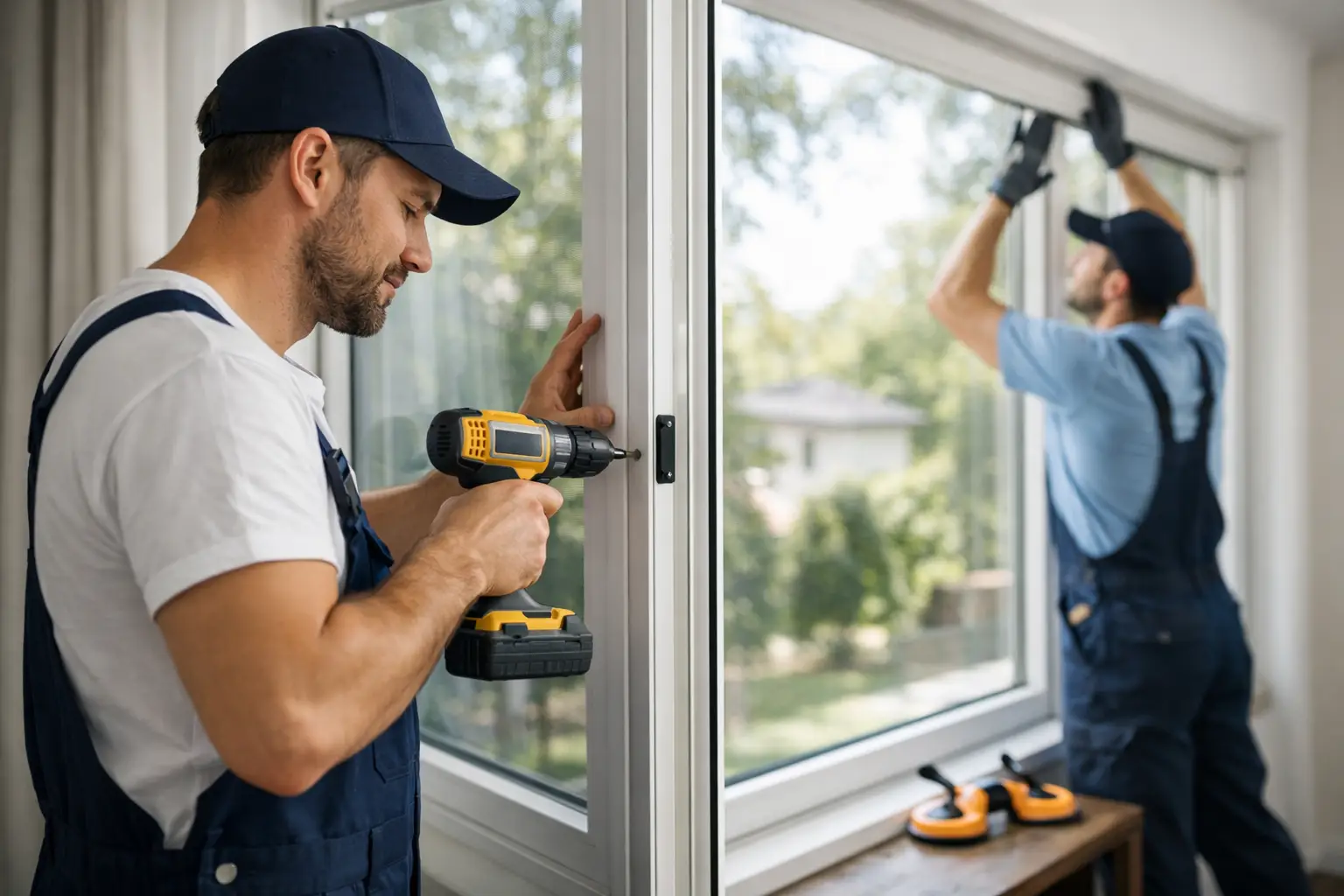
Installation is just as important. Even an excellent door can give trouble if it is not fitted squarely, sealed correctly or aligned properly with the frame. Poor fitting can lead to drafts, stiffness in the lock, water ingress and uneven wear on hinges. In practice, a badly installed premium door can age faster than a correctly installed mid-range one.
Weather exposure also matters. A sheltered entrance under a porch will generally age more slowly than a door facing full wind and rain. South-facing doors can deal with stronger sunlight and more temperature fluctuation, which may affect finishes over time. Coastal conditions can be harsher again because of salt in the air, although that is less of a concern inland.
Then there is everyday use. A busy family entrance opened dozens of times a day will naturally put more strain on moving parts than a rarely used side door. The door leaf may remain sound for years, but locks, handles and hinges can wear earlier if they are heavily used.
Signs your composite door is ageing well – or not
A composite door does not usually fail overnight. In most cases, it gives you signs long before replacement becomes necessary. If it still closes cleanly, locks without forcing, keeps the hallway free from drafts and shows no obvious movement in the frame, it is probably ageing as it should.
Small issues are normal with time. You might need a hinge adjustment, a handle replacement or fresh sealant around the frame. Those are maintenance jobs, not signs that the whole door has reached the end of its life.
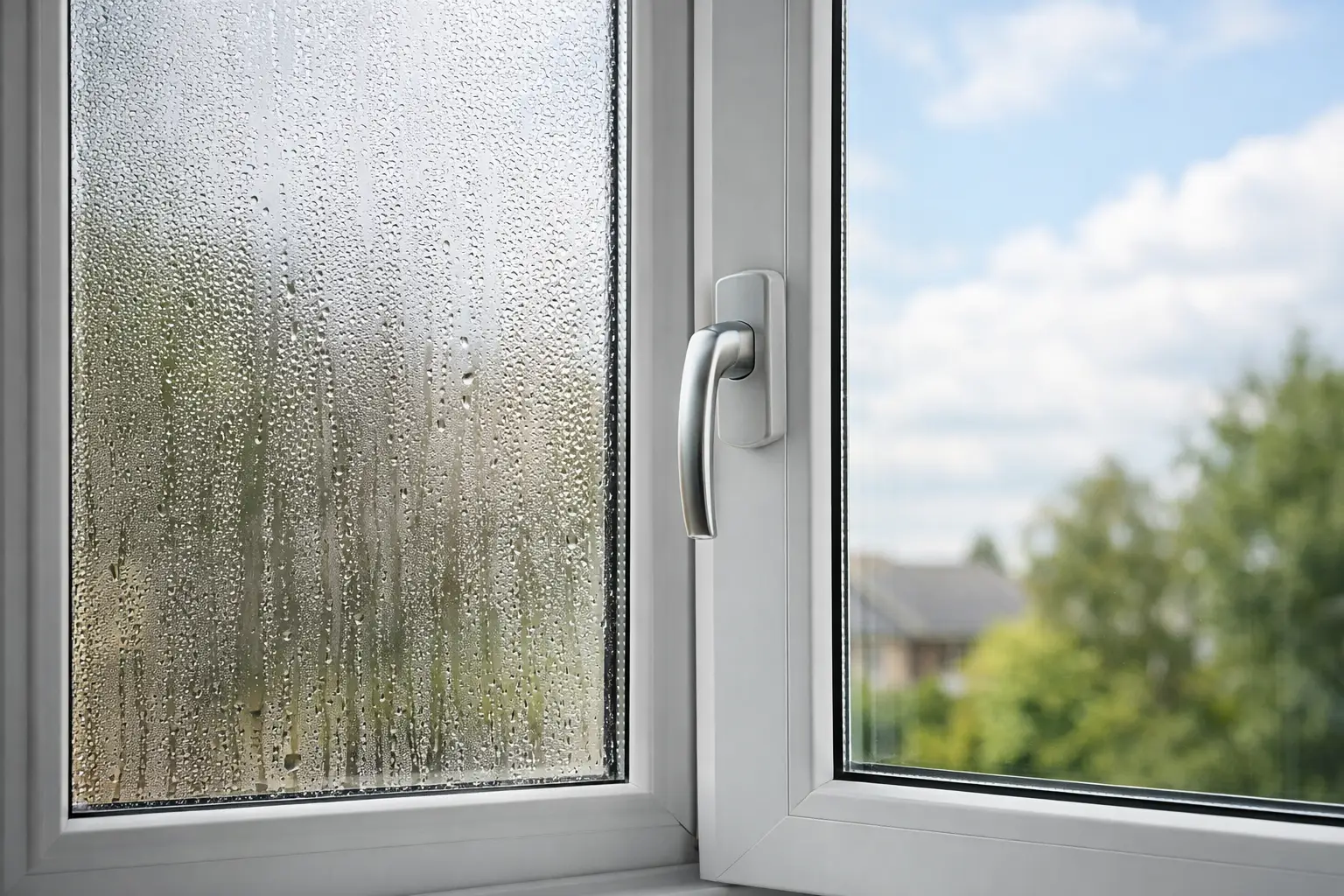
More serious warning signs include persistent draughts, water getting in around the frame, swelling or distortion, fading that has gone beyond cosmetic wear, or locking problems that keep returning after adjustment. Condensation inside a glazed unit can also suggest that part of the door needs attention.
The key point is this: if the core structure is sound, many problems can be repaired without replacing the full door set. That is why proper assessment matters before anyone jumps straight to a full replacement.
Composite vs uPVC and timber for lifespan
If you are weighing up materials, composite doors generally sit in a strong middle ground between durability, appearance and maintenance. A typical uPVC door can last a long time, often 20 years or more, but it may not offer the same solid feel, strength or long-term resistance to bowing and wear as a good composite model.
Timber doors can also last for decades, sometimes longer than composite, but that depends heavily on maintenance. Real wood needs regular painting or staining and more attention to moisture, movement and surface wear. Some homeowners are happy with that trade-off because they like the traditional look. Others want a door that keeps its appearance with less effort.
This is where composite often makes sense. You get a door designed for long-term use with lower maintenance than timber and, in many cases, better security and insulation than basic uPVC options. It may cost more upfront, but the longer service life can make it better value over time.
How to help a composite door last longer
You do not need to spend every weekend maintaining a composite door, but a little care goes a long way. Cleaning the door and frame with mild soapy water helps remove grime before it builds up. It is also worth checking that drainage channels stay clear and that seals remain clean and intact.
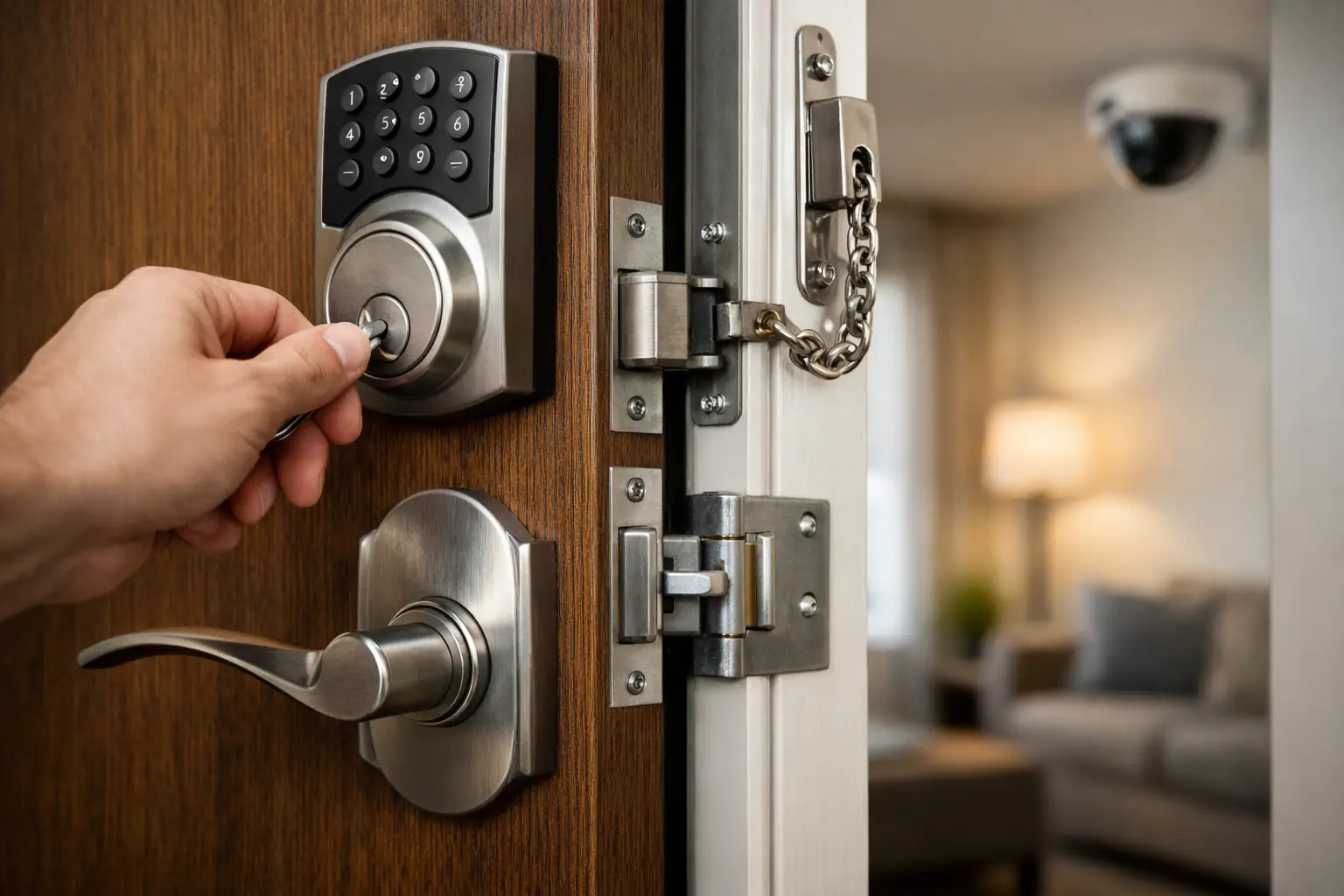
Moving parts deserve occasional attention. Hinges, handles and locking mechanisms benefit from light maintenance so they continue to work smoothly. If the door starts catching, dropping or feeling stiff, it is better to deal with it early rather than forcing it. Small adjustments can prevent unnecessary strain.
Keep an eye on the finish as well. Composite doors hold their colour well, but every entrance ages according to sun, weather and use. A sheltered door may look fresh for years, while an exposed one will show wear sooner. That does not always mean the door is failing – only that it is living in the real world.
Is a composite door worth the money for the lifespan alone?
For many homeowners, yes. A composite door is rarely the cheapest option on day one, but lifespan is one of the reasons it remains popular. When you spread the cost over 25 to 35 years, the numbers can look far more reasonable than they first appear.
There are other benefits tied to that lifespan too. A door that stays secure, insulated and stable for longer can help avoid repeat repair costs and delays. It can also keep the front of the house looking smarter, which matters if you care about kerb appeal or may sell in the future.
Still, there is a balance to strike. If you buy purely on price, you may not get the durability you expected. If you over-specify without considering your property and budget, you may spend more than you need to. Honest advice matters here, especially when comparing door styles, finishes and hardware options.
When should you replace a composite door?
Replacement usually becomes the right call when the door no longer performs properly or the cost of repeated repairs starts to mount up. If the structure has moved, the door has lost its weather seal, security is compromised or the appearance has deteriorated well beyond what cleaning and repairs can solve, it may be time.
Age on its own is not the deciding factor. A 20-year-old door that still works well may have years left. Another door might need replacing sooner because it was poorly made, badly fitted or heavily exposed. That is why a proper inspection is more useful than guessing by date alone.
For local homeowners speaking to a trusted installer, the best conversations are usually the straightforward ones. You want to know whether the issue is fixable, what the realistic life expectancy is and whether replacement will genuinely improve warmth, security and appearance. That practical approach is exactly what family-run firms like CW Doors & Windows are known for.
The bottom line on how long do composite doors last
If you choose a well-made composite door and have it fitted properly, you can reasonably expect 25 to 35 years of service, sometimes more. That makes it a strong long-term option for homeowners who want durability without the upkeep of traditional timber.
The smartest way to look at it is not just asking how many years a door might survive, but how many of those years it will stay secure, efficient and easy to live with. A good door should earn its place every day, not just look decent on the day it is fitted.
If your current door is starting to show its age, it is worth getting clear advice before the small issues become bigger ones. A reliable entrance should feel solid, keep the weather out and give you one less thing to worry about when you shut it behind you at night.