A surprising number of break-ins do not start with smashed glass or specialist tools. They start with a weak lock, a worn frame or a door that was never fitted as well as it should have been. If you are wondering how to improve door security, the good news is that the biggest gains often come from getting the basics right rather than piling on gadgets.
For most homeowners, door security is a mix of three things: the strength of the door itself, the quality of the locking system and the standard of the installation. If one part is poor, the rest can only do so much. A solid-looking door with a tired frame or loose hinges is still a weak point.
How to improve door security without overcomplicating it
The most effective approach is to look at your entrance as a whole. That means checking the door leaf, frame, locks, hinges, glazing and how all of it sits together when closed. Security problems are often less dramatic than people expect. A slight gap, movement in the frame or a lock that no longer engages cleanly can be enough to make a door easier to force.
Start by opening and closing the door a few times. Does it catch, drop or need an extra push to lock? Can you see light around the edges? Does the handle feel loose? These small signs usually point to wear, poor alignment or ageing parts. They matter because a door under strain will not perform as well when someone tries to force it.
If your door is older, it is worth being honest about whether it still meets the standard you need. Many older timber and early uPVC doors were fitted with locking systems that are now well behind current expectations. Repairing them can help, but there is a point where replacement is the more sensible and cost-effective option.
The door itself matters more than people think
It is common to focus on the lock and forget the actual door. Yet the strength of the slab and frame is what gives the lock something secure to hold onto. A hollow or warped door will always be easier to attack than a well-built composite or properly reinforced uPVC door.
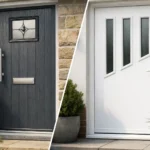
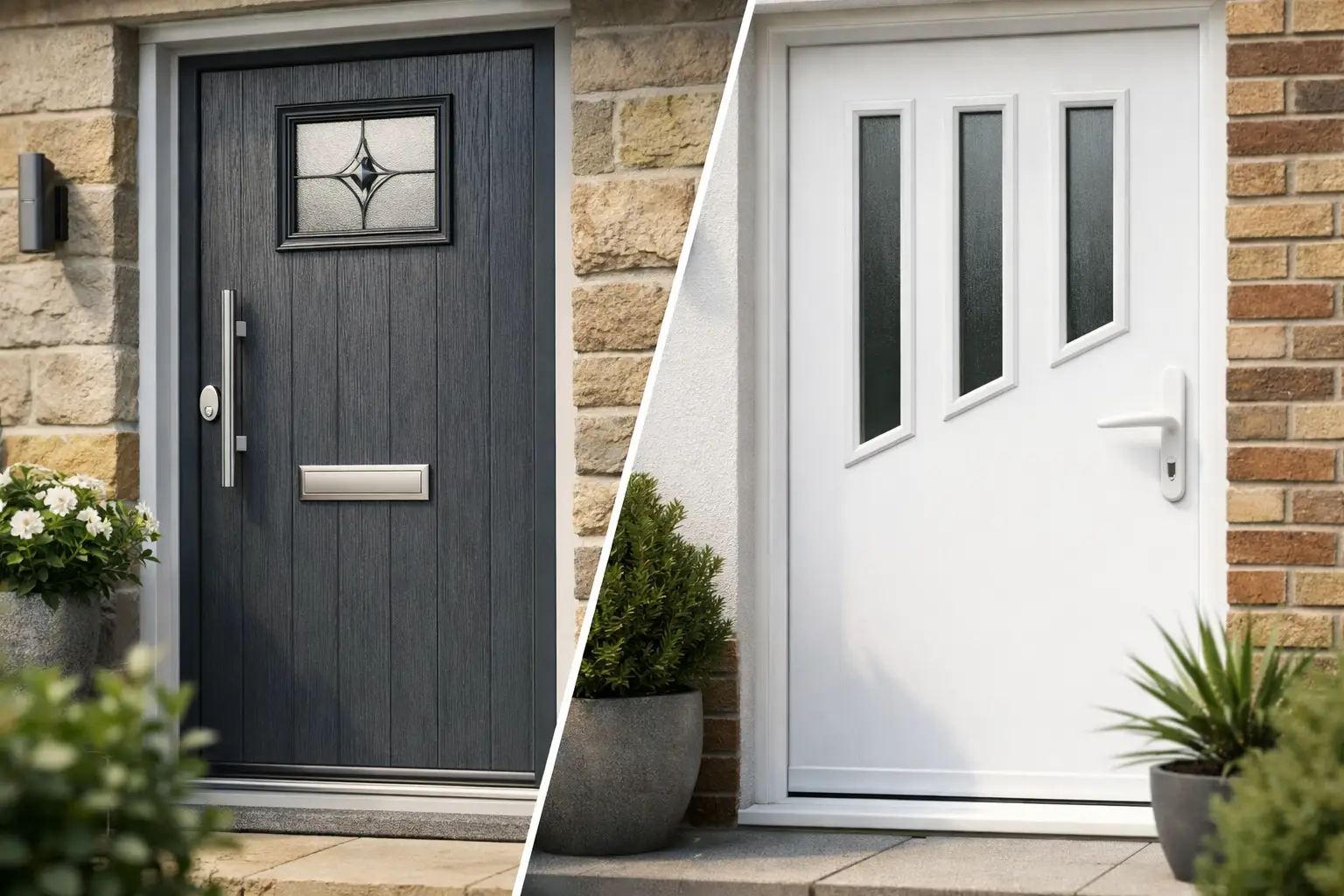
Composite doors are a popular choice for homeowners who want stronger front and rear access points because they combine a solid core with durable outer materials. They tend to resist warping better than some older doors and usually support modern multi-point locking systems well. A good uPVC door can also offer strong security, provided it is reinforced and correctly fitted.
Timber doors are not automatically poor from a security point of view, but condition matters a great deal. If the timber is splitting, the panel is loose or the frame has softened with age, replacing hardware alone will not solve the core issue.
Check the frame, not just the panel
A secure lock fitted into a weak frame is only half a solution. The frame needs to be firmly fixed, in good condition and able to withstand force around the keep and hinge areas. This is where many older installations fall short.
You should also look at the area around the strike plate and keeps. If the screws are short, the timber is worn or there is visible movement, that section can be vulnerable. Reinforcement can help in some cases, but if the frame is tired throughout, a full replacement may be the better route.
Locks should suit the door and the risk
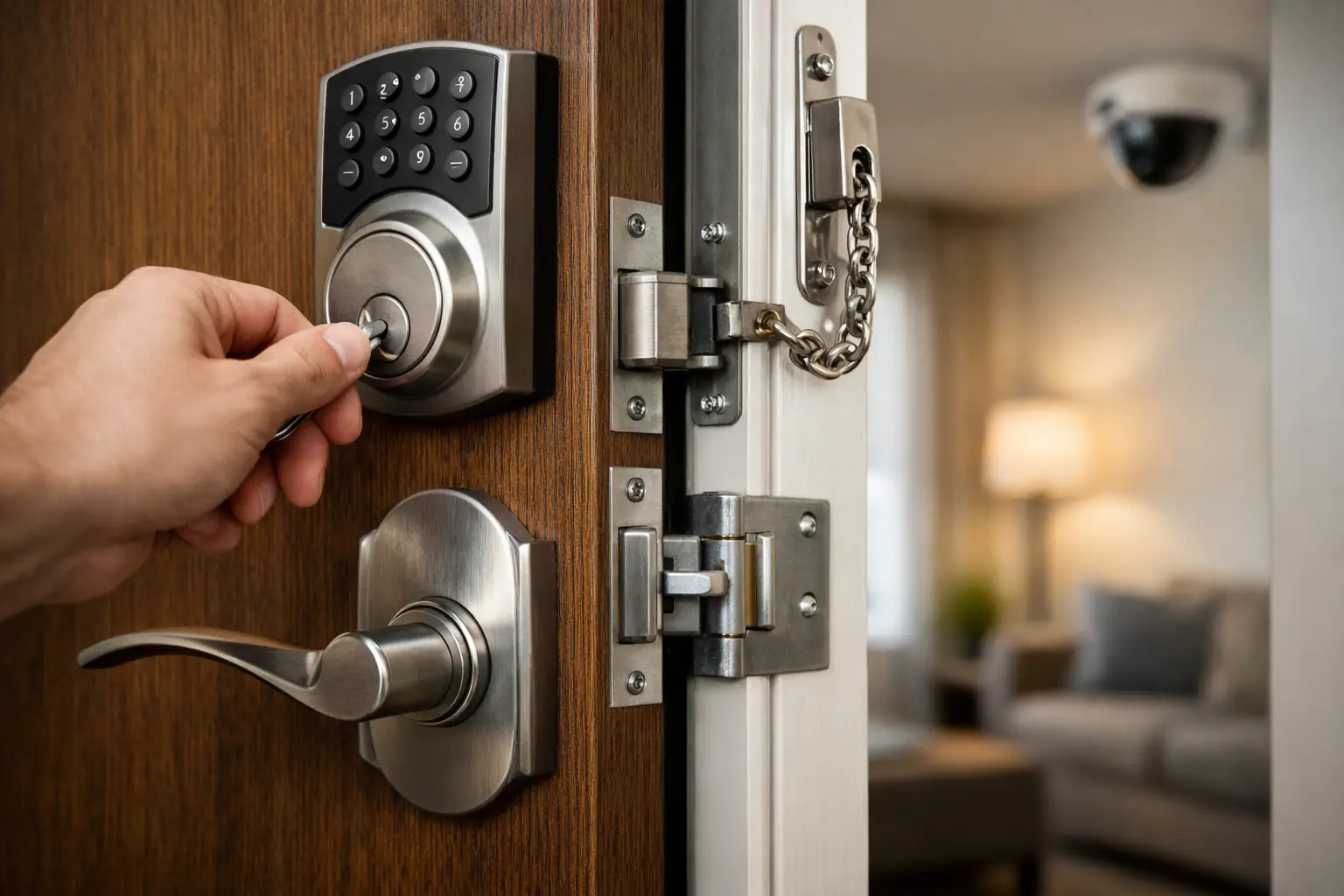
The right lock depends on the type of door you have. A timber front door may use a mortice lock and night latch, while a modern uPVC or composite door often relies on a multi-point system operated by lifting the handle and turning the key. The important point is that the lock should be appropriate for the door and still working as intended.
If your current lock feels stiff, unreliable or inconsistent, do not ignore it. Homeowners often live with awkward locks for months, but that can mean the mechanism is wearing out or not engaging fully. A lock that only works when you pull the door hard into place is already telling you something is wrong.
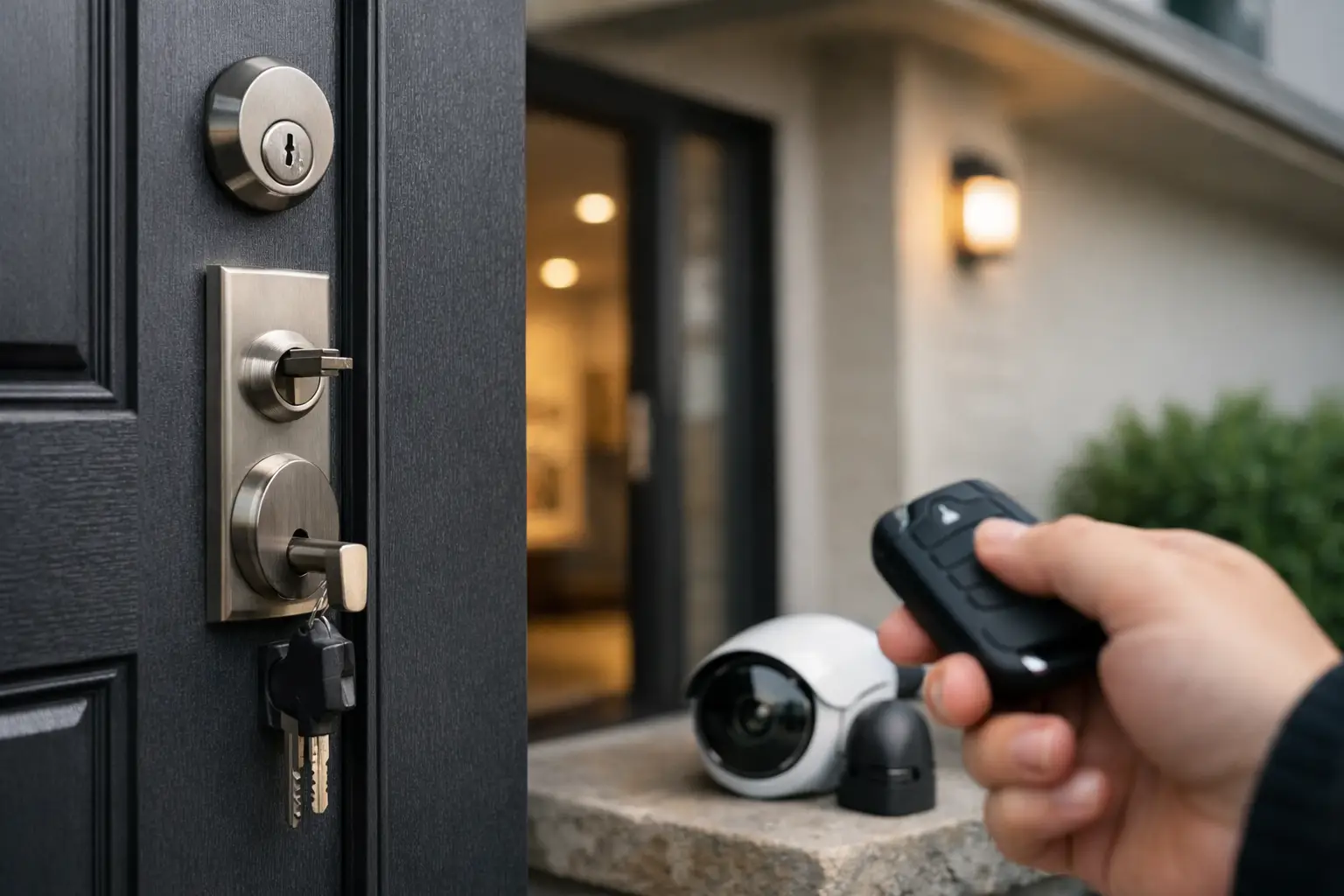
Cylinder quality matters as well, especially on doors with euro cylinders. Poorer cylinders can be more vulnerable to forced entry methods. Upgrading to a higher-security anti-snap cylinder is often a straightforward improvement and can make a real difference.
Multi-point locking systems need proper alignment
A multi-point lock sounds reassuring, but it only performs well when the door is correctly aligned. If the hooks, rollers or bolts are not meeting the keeps cleanly, the system may not be securing the door as intended. In some cases, homeowners think the door is fully locked when only part of the mechanism has engaged.
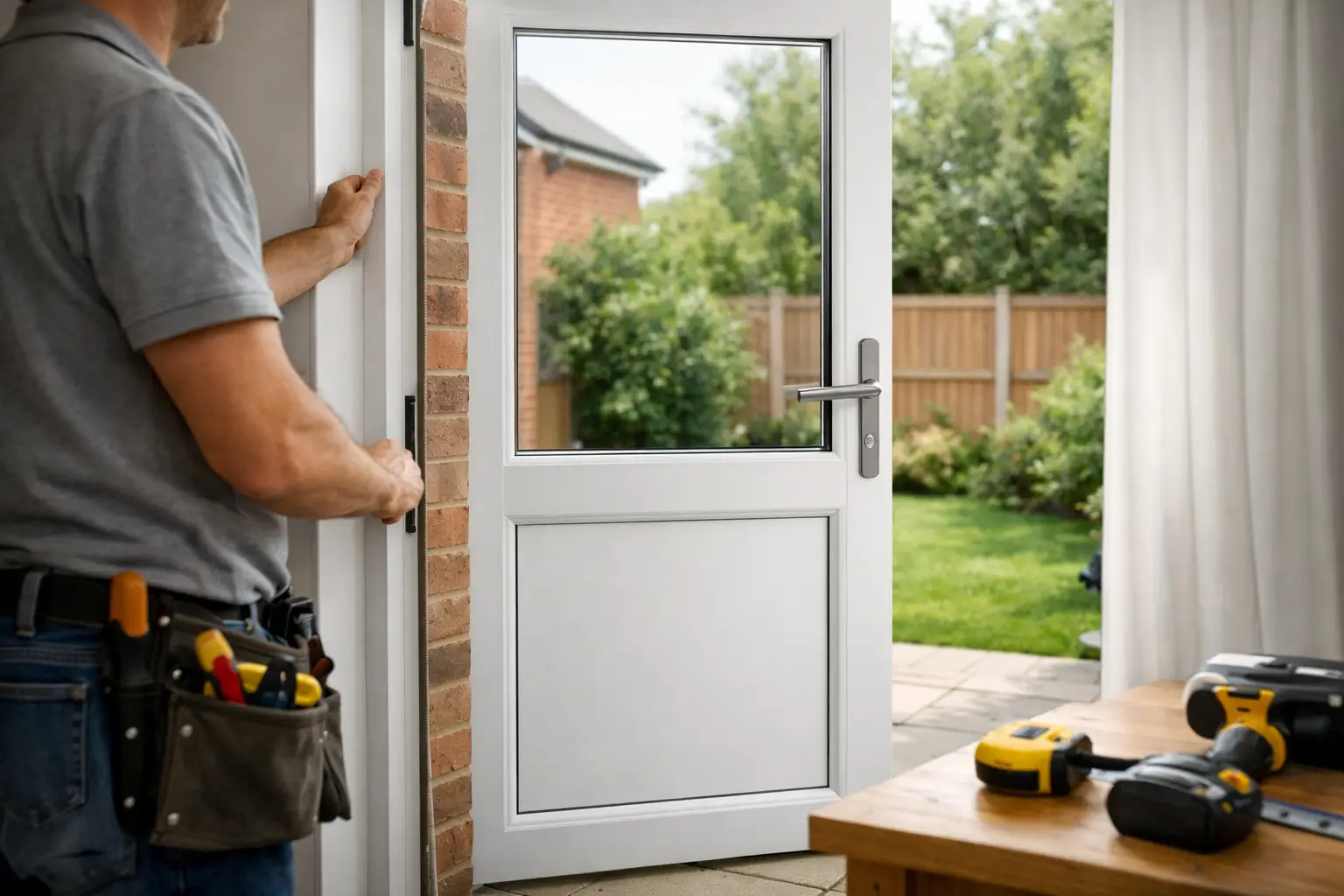
That is why fitting is so important. A well-manufactured door can still underperform if it has been installed poorly. Good security is not just about what was bought. It is about how accurately it was fitted and adjusted.
Hinges, handles and glazing all play a part
Door security is rarely about one dramatic weak spot. More often, it is several smaller ones together. Loose hinges, ageing handles and unprotected glazed sections can all reduce the overall standard of security.
On outward-opening doors, hinge security is particularly important. If the hinge side is exposed, added hinge bolts or security hinges may be worth considering. On any external door, handles should feel firm and properly fixed. If a handle is wobbling, that movement can affect the lock and the user’s ability to secure the door properly.
If your door includes glass, the type of glazing matters too. Glazed panels are common and practical, but they need to be fitted with security in mind. Toughened or laminated glass and sensible panel design help reduce vulnerability. Large glazed areas beside a lock can be less ideal if they make it easier to reach inside after breakage, so layout should be considered as well as material.
Front door and back door security need slightly different thinking
Most people put the most attention on the front door because it is the main entrance and the most visible. That makes sense, but rear and side doors are often just as important. In some homes they are more vulnerable because they are less overlooked and may be older than the front entrance.
A back door should not be treated as the budget option. If it is hidden from the road or garden access is easy, it may deserve the strongest specification in the house. French doors and other double-door styles also need careful attention to locking points, glazing and frame strength.
This is one of those cases where it depends on the property. A terraced house with direct street access has different risks from a detached house with side gates and a sheltered rear garden. The aim is not to make every door identical. It is to make sure each entrance suits its location and exposure.
When repairs are enough and when replacement makes more sense
Some security issues can be solved with adjustment or upgraded hardware. Replacing a tired cylinder, refitting keeps, tightening hinges or correcting alignment can all improve a door that is otherwise in good shape. That is often the most sensible option when the door and frame are structurally sound.
Replacement becomes more attractive when multiple problems are showing at once. If the door is draughty, difficult to lock, visibly worn and lacking modern security features, you may be spending money patching an outdated system. A newer composite or quality uPVC door can improve security, thermal efficiency and appearance at the same time, which gives the cost more value.
For homeowners comparing quotes, it is worth asking not just what lock is included, but what reinforcement, frame quality and fitting standard are part of the package. Security is not one line on a specification sheet. It is the result of the whole installation being done properly.
Professional fitting is part of the security upgrade
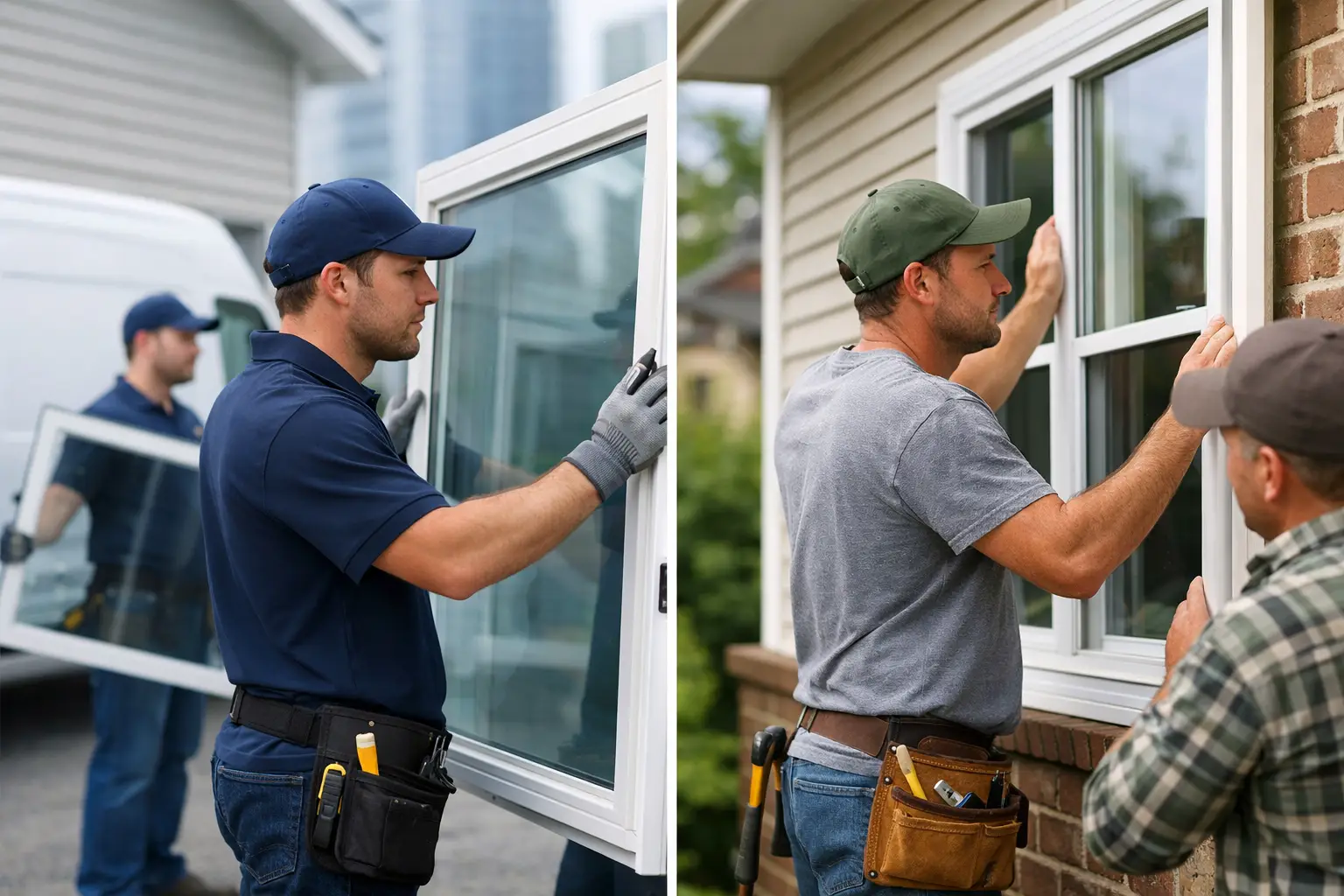
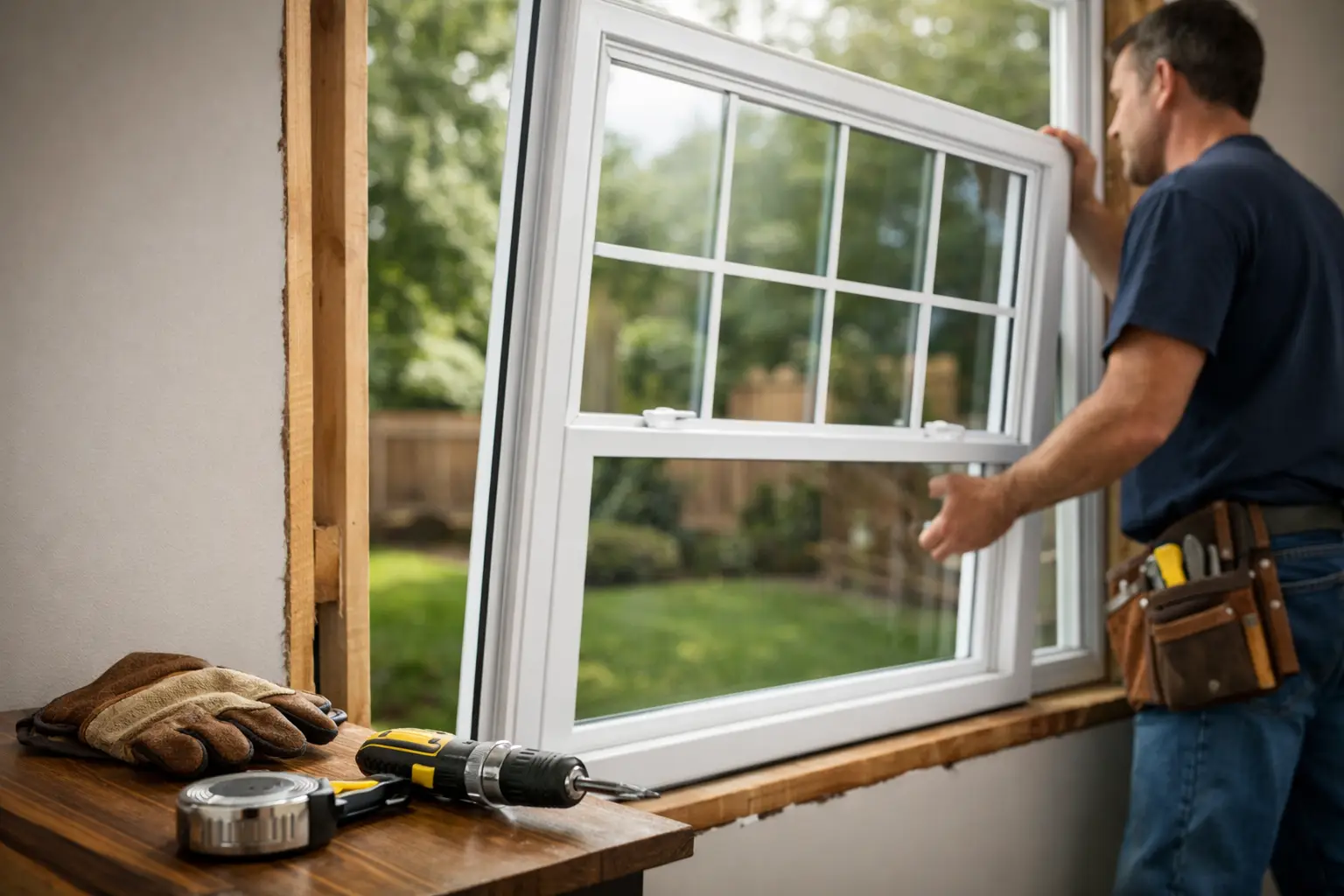
This is the point people often miss. You can buy a good door and still end up with disappointing security if it is poorly installed. Gaps, movement, bad alignment and weak fixings all reduce performance. A proper survey and careful fitting matter just as much as the product chosen.
That is one reason many homeowners prefer a local company that handles its own installation rather than passing work to subcontractors. With a family-run firm such as CW Doors & Windows, the advice tends to be more practical and the workmanship easier to stand behind because the same business is responsible from quote to fitting.
If you are planning an upgrade, ask for honest guidance on whether your current door can be improved or whether replacement would be better value. A trustworthy installer will not push a new door if a sensible repair will do the job.
Better door security does not need to turn your home into a fortress. Usually, it comes down to stronger materials, reliable locks and installation done properly. When those three things line up, you get a door that feels solid every day and stands up better when it matters most.