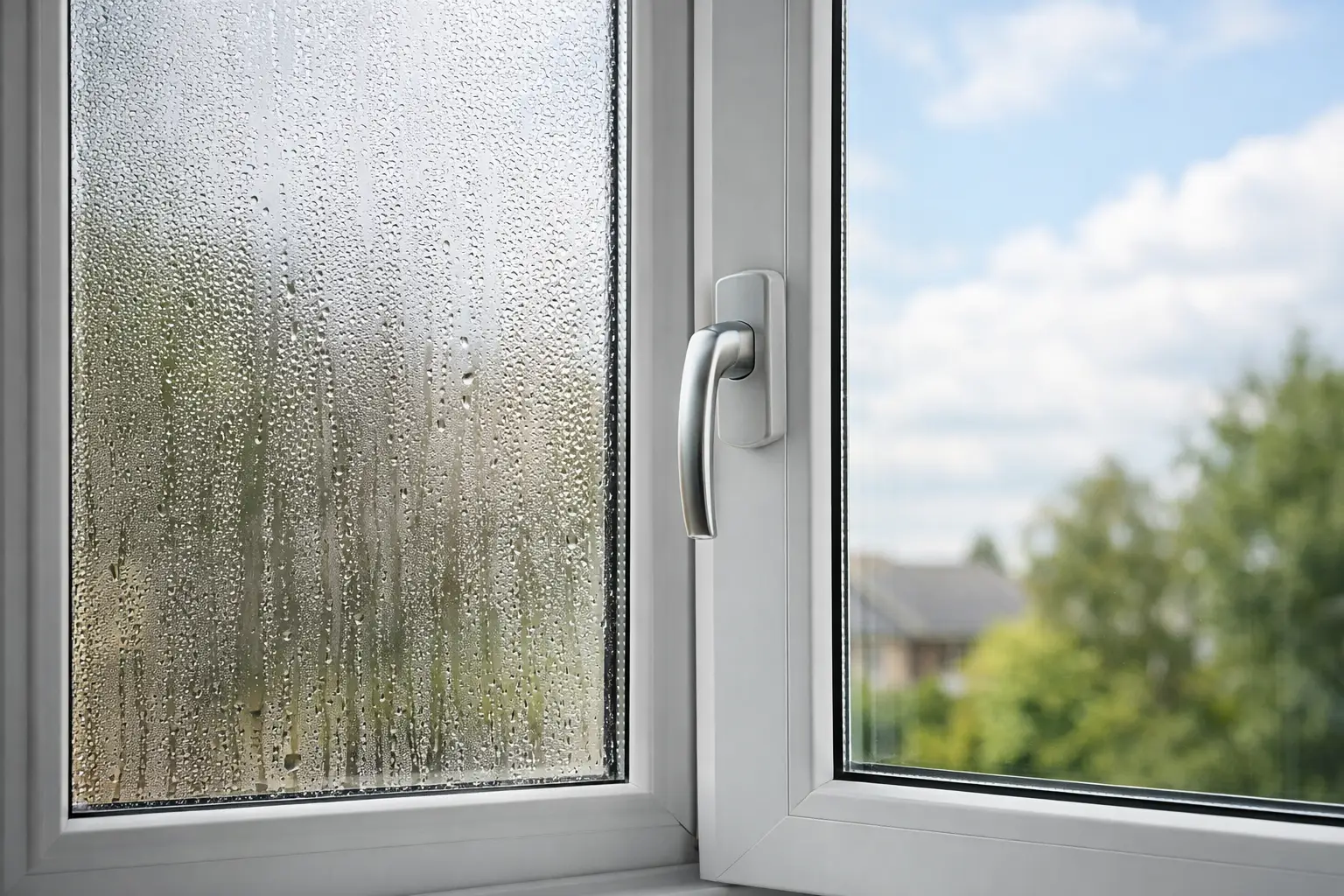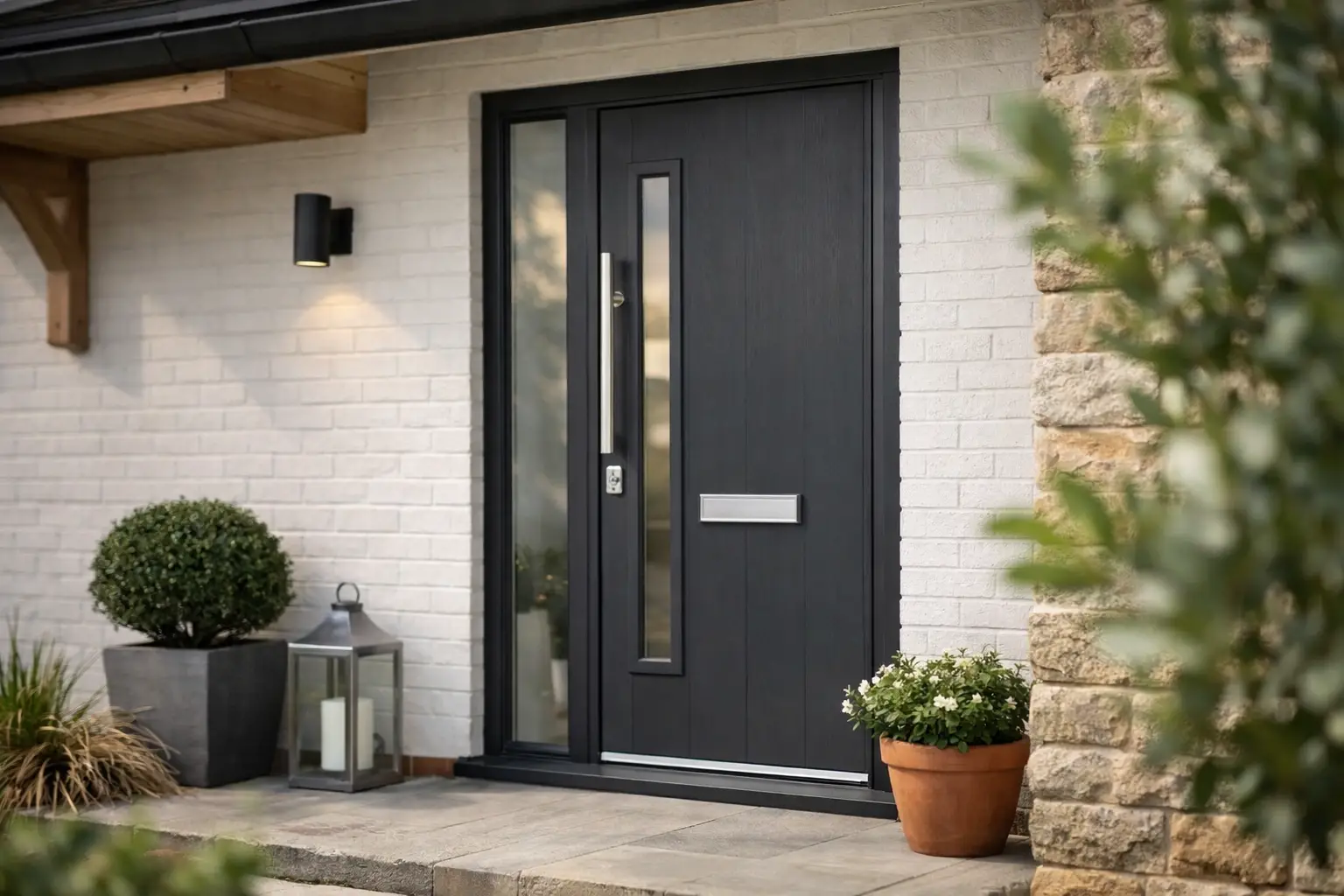
A front door usually starts getting attention when something has gone wrong. It sticks in damp weather, lets in a draught across the hallway, or simply makes the front of the house look tired. That is where a composite front door review becomes useful, because the right door is not just about appearance. It affects security, insulation, maintenance and how the whole property feels day to day.
If you are weighing up whether a composite door is worth the extra outlay, the short answer is often yes – but not in every case. Some homeowners will get years of value from one. Others may be better served by a different option if budget is the main concern or if the specification is not right. The details matter.
Composite front door review: what are you actually buying?
A composite door is built from a mix of materials rather than a single solid slab. In most cases that means a solid or high-density core, reinforced layers, insulating foam and a durable outer skin designed to cope with weather and everyday use. The aim is to combine the strengths of different materials while avoiding the usual weak points of timber-only or basic uPVC doors.
For homeowners, that usually translates into four practical benefits. You get a door that feels sturdier, holds its shape better, offers stronger thermal performance and needs less upkeep than a traditional painted timber door. It also tends to give a more substantial closing action, which many people notice straight away.
That said, not all composite doors are equal. A budget model and a properly specified, professionally fitted one can feel very different. The slab, frame, hinges, glazing, locks and installation all play a part in the final result.
Where composite doors tend to perform well
Security is one of the biggest reasons people choose composite. A good-quality door with a solid core, reinforced frame and a reliable multi-point locking system will generally offer a stronger entrance than an ageing timber or lightweight plastic door. Of course, no door is only as good as the lock and fitting, but the overall build quality does inspire confidence.
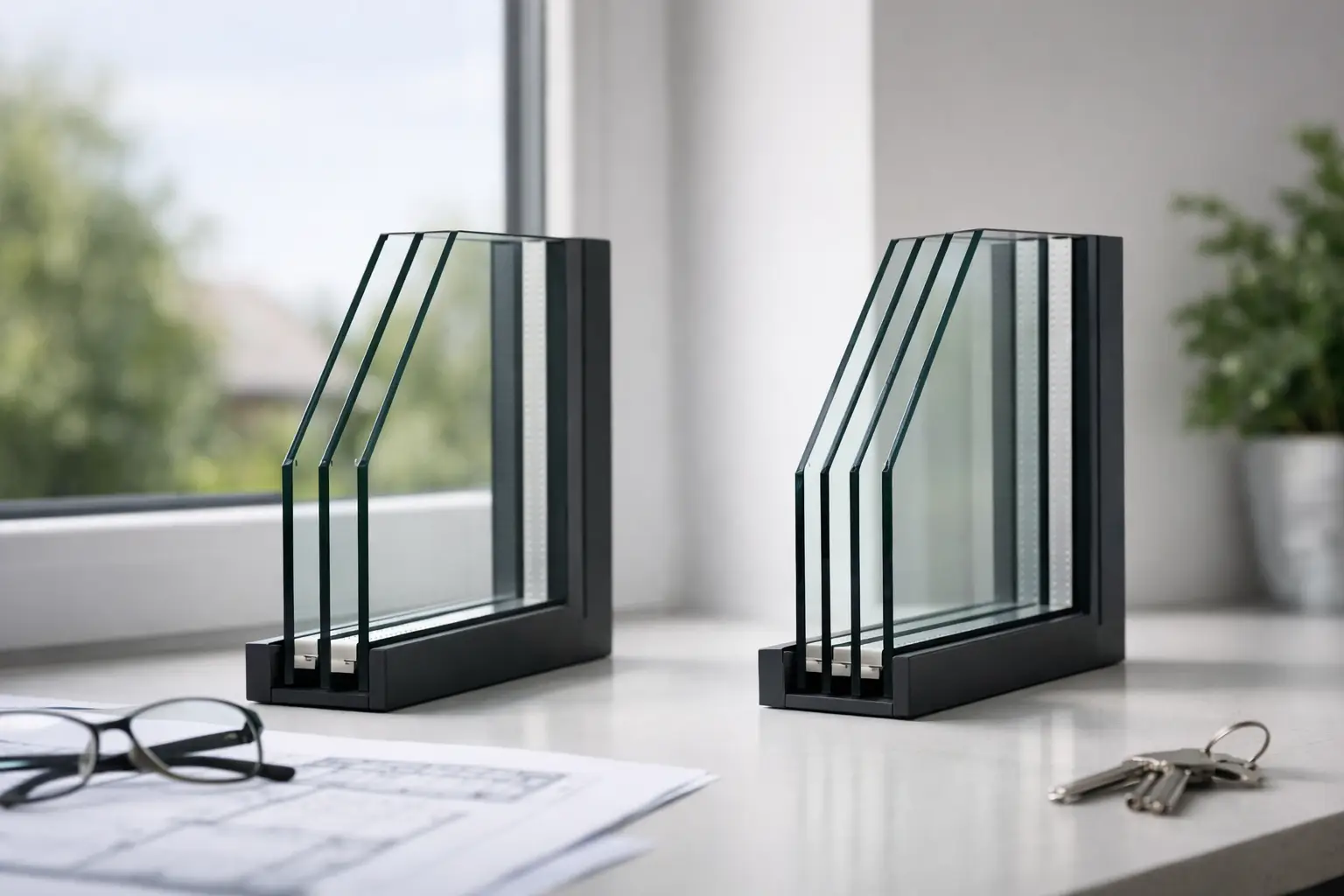
Thermal efficiency is another clear plus. If your current front door leaks heat or leaves the hallway cold, a well-fitted composite door can make a noticeable difference. Better sealing around the frame and a more insulating core help reduce draughts and make the entrance feel less exposed in winter. It will not transform the whole house on its own, but it does help improve comfort.
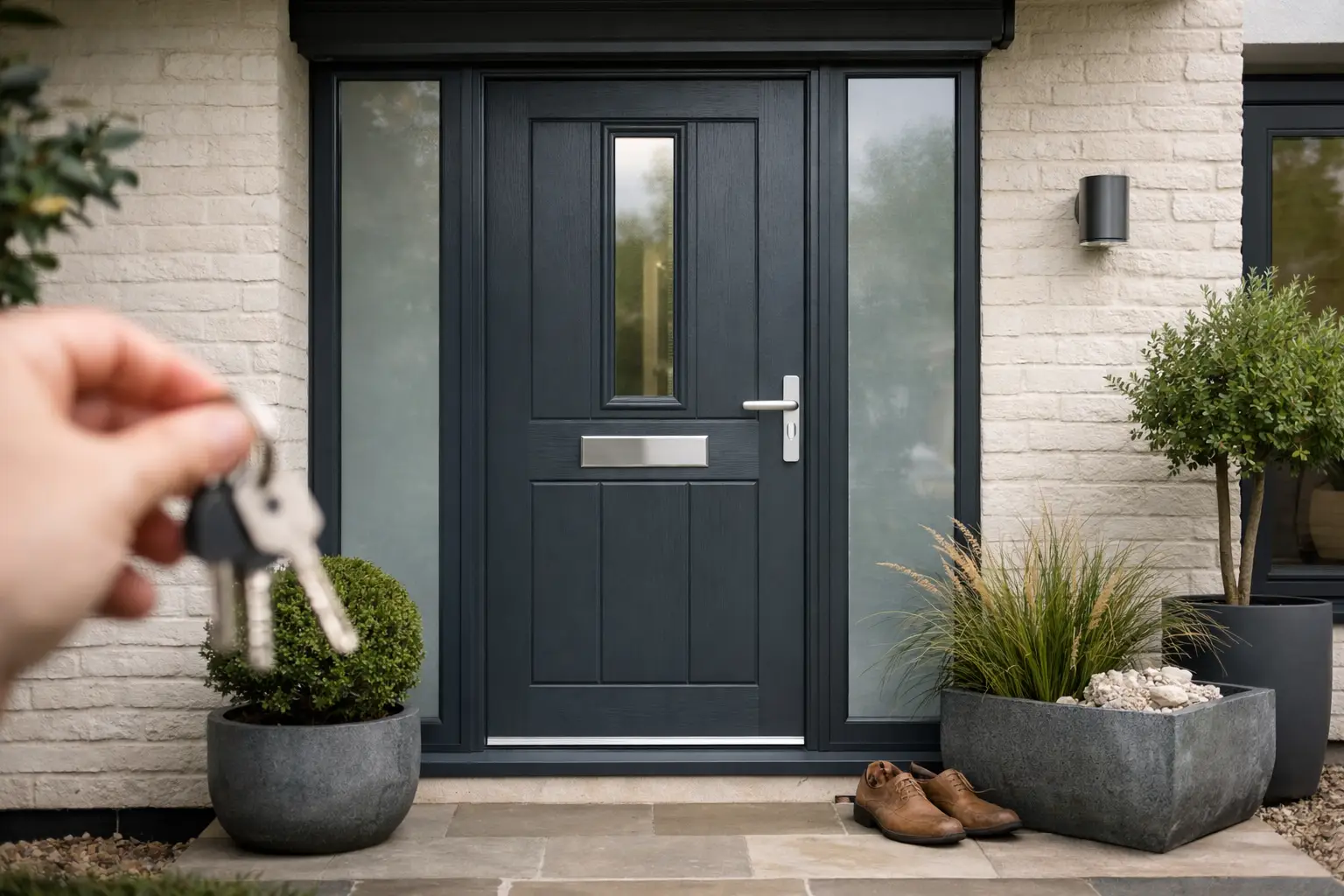
Appearance is often what wins people over. Composite doors come in a wide range of colours, glass designs, hardware finishes and panel styles, so they suit everything from modern estates to older terraces and detached family homes. Many are designed to give the look of timber without the sanding, repainting and swelling that timber doors can bring.
Durability is another strong point. In normal conditions, a decent composite door should stand up well to rain, cold spells and regular use. For busy family homes, rental properties or any entrance that gets plenty of traffic, that resilience matters.
The drawbacks that are worth knowing about
The most obvious drawback is price. Composite doors usually cost more than standard uPVC alternatives, especially when you add decorative glazing, premium furniture or upgraded security features. For many households that extra spend is justified by the longer lifespan and better performance, but it still needs to fit the budget.
There can also be a gap between expectation and reality if the product is oversold. Some people assume every composite door is maintenance-free and flawless. In truth, you still need to keep seals, locks and hinges in good order. Darker colours can absorb more heat in strong sun, and while modern doors are designed to cope, quality manufacturing matters.
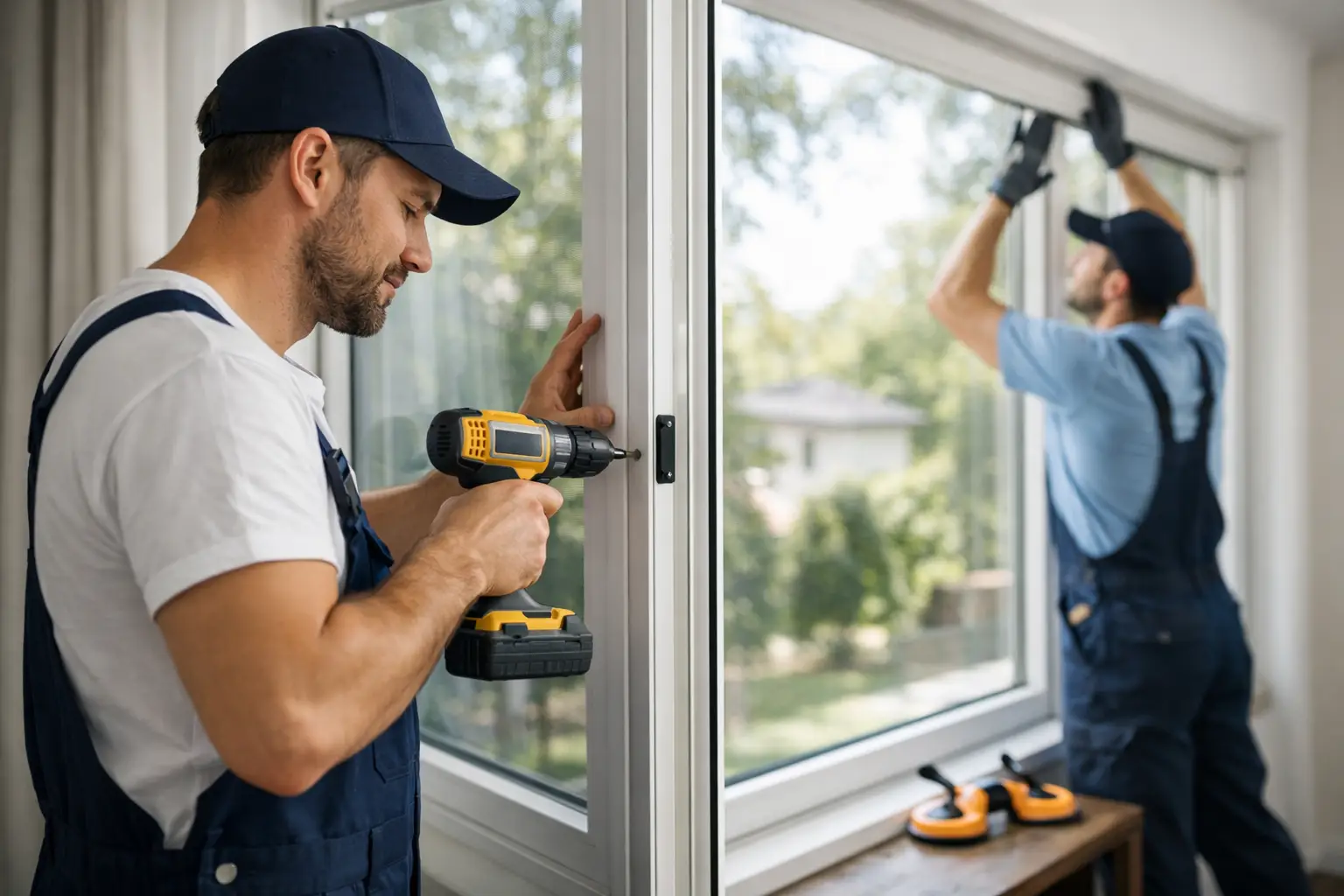
Installation is the other major variable. Even an excellent door can disappoint if it is poorly fitted. Misalignment, weak sealing or rushed finishing can lead to draughts, stiffness or locking issues. That is why the installer matters just as much as the brochure.
Composite front door review: value for money
When people ask whether composite doors are worth it, they are usually really asking about value rather than headline price. A front door is not something most homeowners want to replace twice. Paying less upfront can be false economy if the door ages badly, looks tired after a few winters or never feels secure.
A composite door tends to make sense if you plan to stay in the property, want a better standard of security, or are trying to improve the look and efficiency of the entrance in one go. It can also add to kerb appeal, which matters if you are improving the property before a sale or simply want the house to look well cared for.
If your budget is tight and your main aim is a basic replacement, a standard uPVC door may still be the more practical route. There is nothing wrong with that if the product is decent and fitted properly. The key is being clear about what you expect from the door over the next ten or fifteen years.
What to check before you choose one
Start with the core construction and overall specification. Ask what the door is made from, what security features are included and whether the frame is part of the quoted quality level or a cheaper compromise. A strong slab fitted into a poor frame is not much of an upgrade.
Look closely at the locks, hinges and glazing. If the door includes glass panels, they should suit the security needs of the location as well as the style of the house. Hardware should feel solid rather than flimsy. It is worth handling a showroom sample if you can, because the feel of the door tells you a lot.
Colour and design deserve a practical view as well as a visual one. A bold shade may look excellent on day one, but think about the style of your property and whether you will still be happy with it in five years. Classic designs tend to age better, although that does not mean you have to play it safe.
Most importantly, check who is carrying out the installation. A family-run local company with in-house fitting can often offer clearer accountability than a national firm relying on subcontractors. You want honest advice, a fair quotation and someone who will stand by the work if adjustments are needed after fitting.
Who gets the most from a composite door?
Composite doors are often a particularly good fit for owner-occupied homes where security, appearance and lower maintenance all matter. Families like them because they are solid and practical. Long-term homeowners like them because they improve the entrance without creating another decorating job every couple of years.
Landlords can also benefit, especially on better-quality rental properties where durability and presentation matter. A tougher, smarter front door can reduce ongoing upkeep and leave a stronger impression on tenants. For commercial or mixed-use properties, the right composite door can also offer a good balance of appearance and strength, although the exact requirement depends on use.
Older properties can benefit too, as long as the style is chosen carefully. Some composite designs work very well on period homes, while others can look too modern. This is one of those cases where honest guidance is more useful than a hard sell.
The real test: everyday use
A good front door earns its keep quietly. It shuts properly without a shove. It keeps out the draught that used to creep through the hall. It still looks smart after a run of wet weather. It feels secure when you lock up at night.
That is why a proper review should not focus only on brochures and showroom finishes. The real measure is how the door performs once fitted to a real home. In our experience, homeowners are happiest when they choose a composite door for practical reasons first, and style second. The best results come when both boxes are ticked.
For households around Leicester looking at a replacement, the safest approach is to compare products carefully, ask direct questions and work with an installer who gives straightforward answers rather than sales talk. A composite door can be an excellent investment, but only when the quality and fitting match the price.
If your current front door is letting the house down, this is one upgrade that you notice every single day – each time you come home, each cold morning in the hallway, and each glance back from the drive.