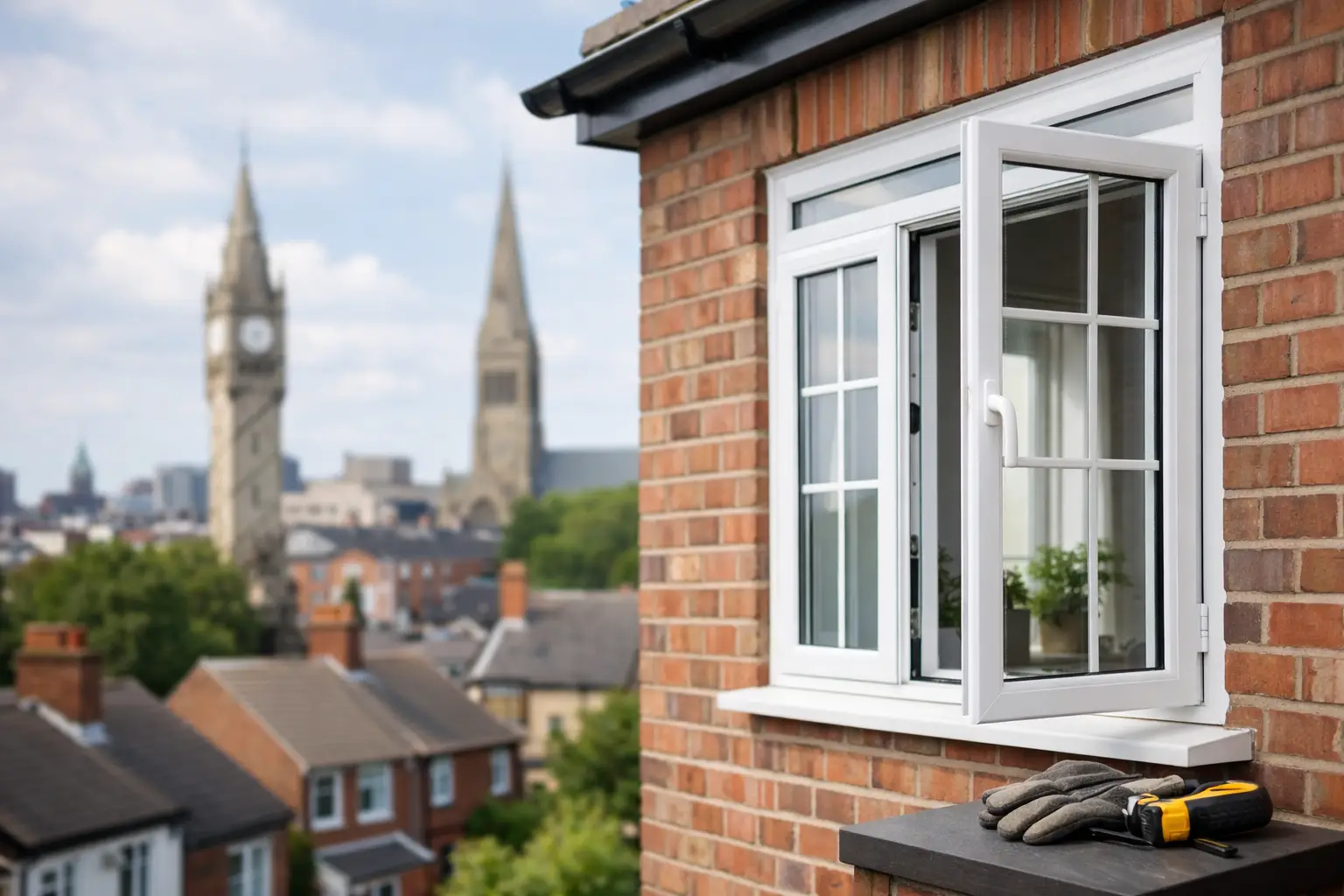
If your windows rattle in the wind, let draughts through the frame or leave condensation sitting between the panes, you are probably past the point of another quick repair. This guide to replacement windows Leicester homeowners can rely on is here to help you make a sensible decision – one that improves comfort, security and appearance without paying over the odds.
Replacing windows is one of those jobs that can make the whole house feel different. Rooms stay warmer, outside noise drops, and the front of the property looks sharper almost overnight. At the same time, there is no single right answer for every home. The best choice depends on the age of the property, the style you want, your budget and how long you plan to stay there.
Why homeowners start looking at replacement windows
Most people do not replace windows just because they are old. They do it because the old units are causing problems day to day. You may notice cold spots near the glass, windows that no longer open properly or frames that have become tired and discoloured. Sometimes the issue is less obvious, such as rising heating bills or traffic noise becoming more noticeable.
There is also the appearance side of things. New windows can tidy up a property far more than many people expect. If you are planning to sell, rent out or simply improve kerb appeal, modern frames and cleaner sightlines can make a real difference. For family homes, security is often another big reason. Older locks and worn frames do not offer the same reassurance as newer systems built to current standards.
A guide to replacement windows Leicester homeowners should start with
The first step is not choosing a colour or a handle. It is working out what problem you are trying to solve. If your main concern is heat loss, the glazing specification matters most. If you are replacing dated timber that needs constant upkeep, a low-maintenance material may be the priority. If the front elevation looks tired, style and finish may lead the decision.
That is why honest advice matters. A good installer should talk you through the practical differences between options, not push the most expensive product. In many cases, a well-made uPVC window fitted properly will do exactly what a household needs. In other homes, a different finish or design detail may be worth the extra cost because it suits the property better.
It also helps to think about the full job rather than just the unit itself. Good replacement windows are a combination of quality frames, reliable glazing, secure hardware and careful installation. One weak point can let the whole job down.
Choosing the right window style
Casement windows remain one of the most popular choices for good reason. They suit most property types, offer clean lines and are straightforward to use and maintain. They also tend to seal well, which helps with energy efficiency.
Tilt and turn windows can be a smart option if ease of cleaning and ventilation are high on your list. They are especially useful in upper floors where access is awkward. Sliding sash styles appeal to homeowners who want a more traditional look, particularly on period properties, though the final choice depends on how closely you want to match the original character.
Bay and bow windows need a little more planning because they affect both appearance and structure. Done well, they can bring in more light and make a room feel larger. Done badly, they can look out of place. This is where local experience really counts, especially with mixed housing styles found across Leicester and the wider area.
uPVC, aluminium or something else?
For many homes, uPVC is the most practical choice. It is cost-effective, energy efficient, low maintenance and available in a wide range of finishes. Modern uPVC has come a long way from the bulky frames people often picture. Better profiles mean a neater appearance and solid performance at a sensible price.
Aluminium tends to appeal to people who want slimmer frames and a more contemporary look. It is strong, durable and works well on larger openings. The trade-off is usually cost. For some properties that extra spend is justified. For others, it may not offer enough added value over a well-specified uPVC system.
The right material often comes down to what matters most to you. If you want dependable performance, straightforward upkeep and honest value, uPVC is usually hard to beat.
Energy efficiency without the sales talk
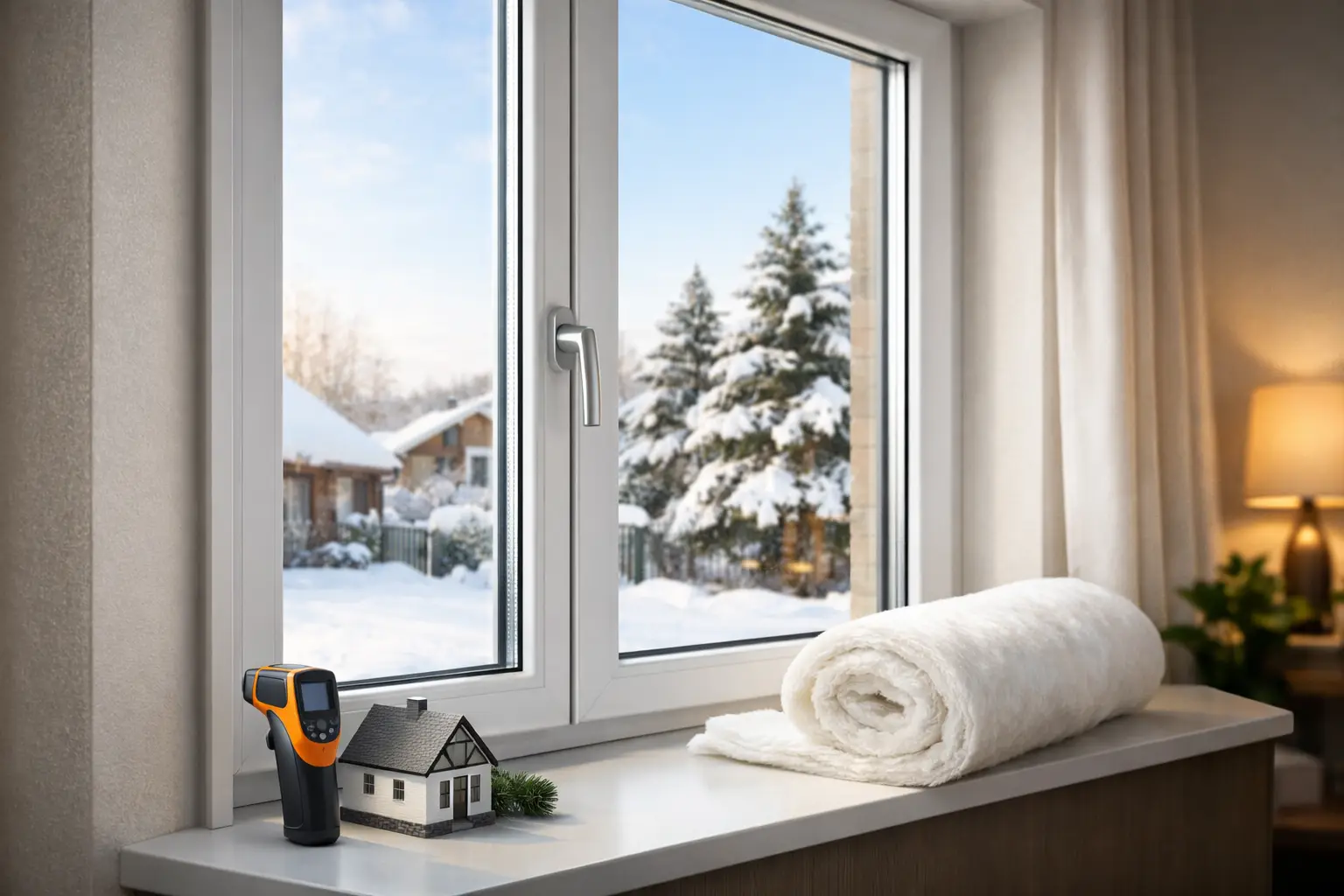
Energy ratings matter, but they should not be used to confuse people. Most homeowners simply want to know whether their house will feel warmer and whether they will spend less on heating. Good double glazing, fitted properly, can help with both.
Look at the full picture rather than one headline figure. Glass type, frame quality, seals and installation all play a part. Even the best-rated unit can disappoint if it is not fitted correctly. Equally, replacing very old or failed windows often brings a noticeable improvement even before you get into the finer technical detail.
If your home suffers from cold rooms or draughts, ask direct questions. How will this window help with insulation? What glazing is included? Are trickle vents needed? Clear answers are usually a better sign than a long sales pitch.
Security and peace of mind
Windows are not only about warmth and looks. They are a key part of keeping your property secure. Strong frames, reliable locking systems and toughened or laminated glass in the right places can all improve peace of mind.
Ground floor windows and windows near doors often deserve extra attention. The best setup depends on the layout of the property and how the windows are used. A family home, a rental property and a commercial unit may all need something slightly different.
This is another area where there is little value in vague promises. Ask what locking system is included and whether there are any upgrades worth considering. Straightforward advice is what you want here, not pressure.
What affects the price?
Window prices vary for good reasons. Size, style, opening type, glazing choice, finish and access all affect the final figure. A standard white casement window will usually cost less than a bespoke coloured frame or a larger bay arrangement. That does not mean the cheaper option is automatically better value. It depends on what suits the property and what you need from it.
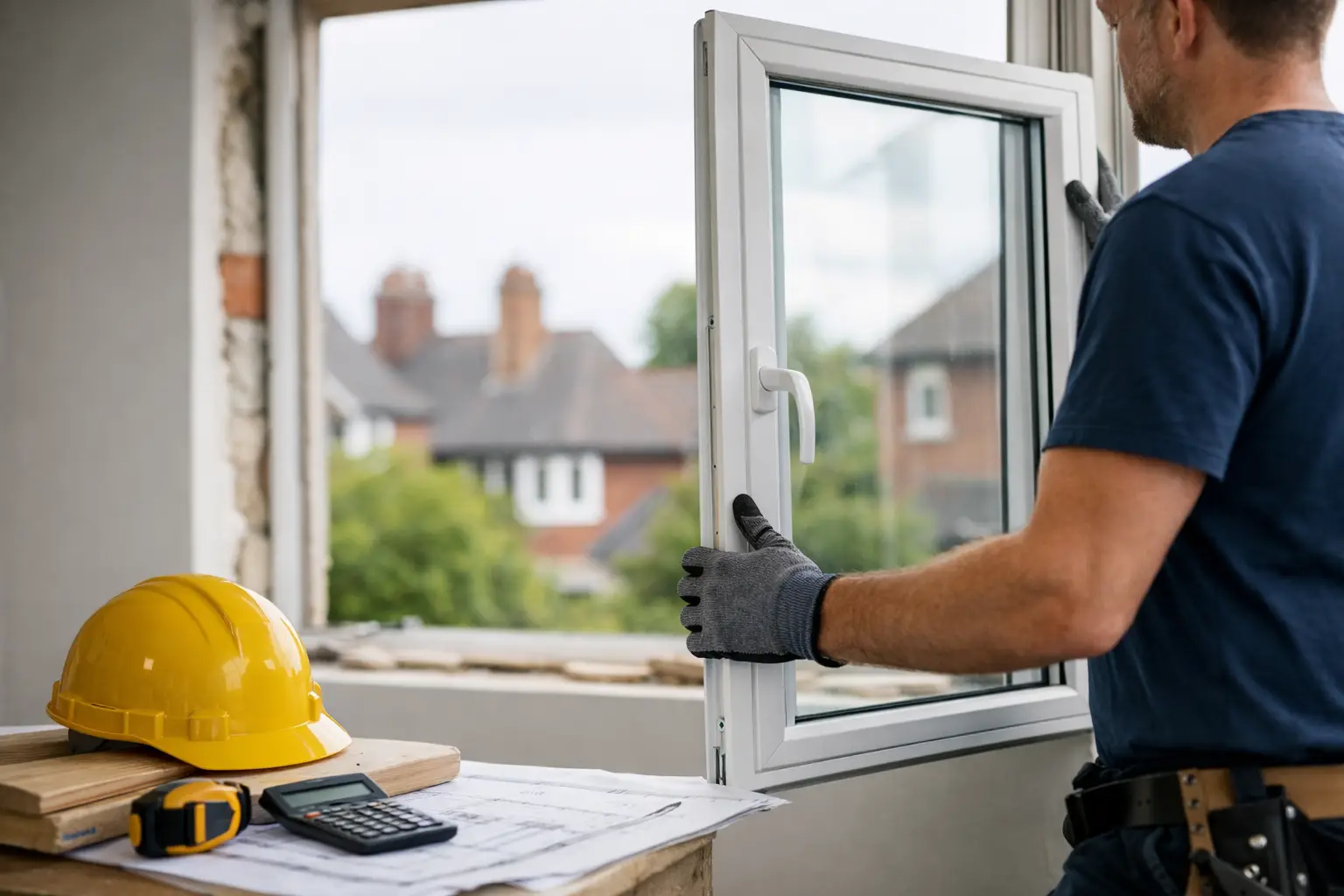
Installation also matters. Removing old frames, making good around reveals and fitting everything neatly takes time and care. If a quote looks unusually low, it is worth asking exactly what is included. Honest pricing should be clear from the start, with no hidden extras appearing later.
A like-for-like comparison is the fairest way to assess quotes. Check the frame specification, the glazing, the hardware, the finish and whether the fitting is done in-house or passed to subcontractors. The cheapest figure on paper is not always the best job in practice.
What to expect from the fitting process
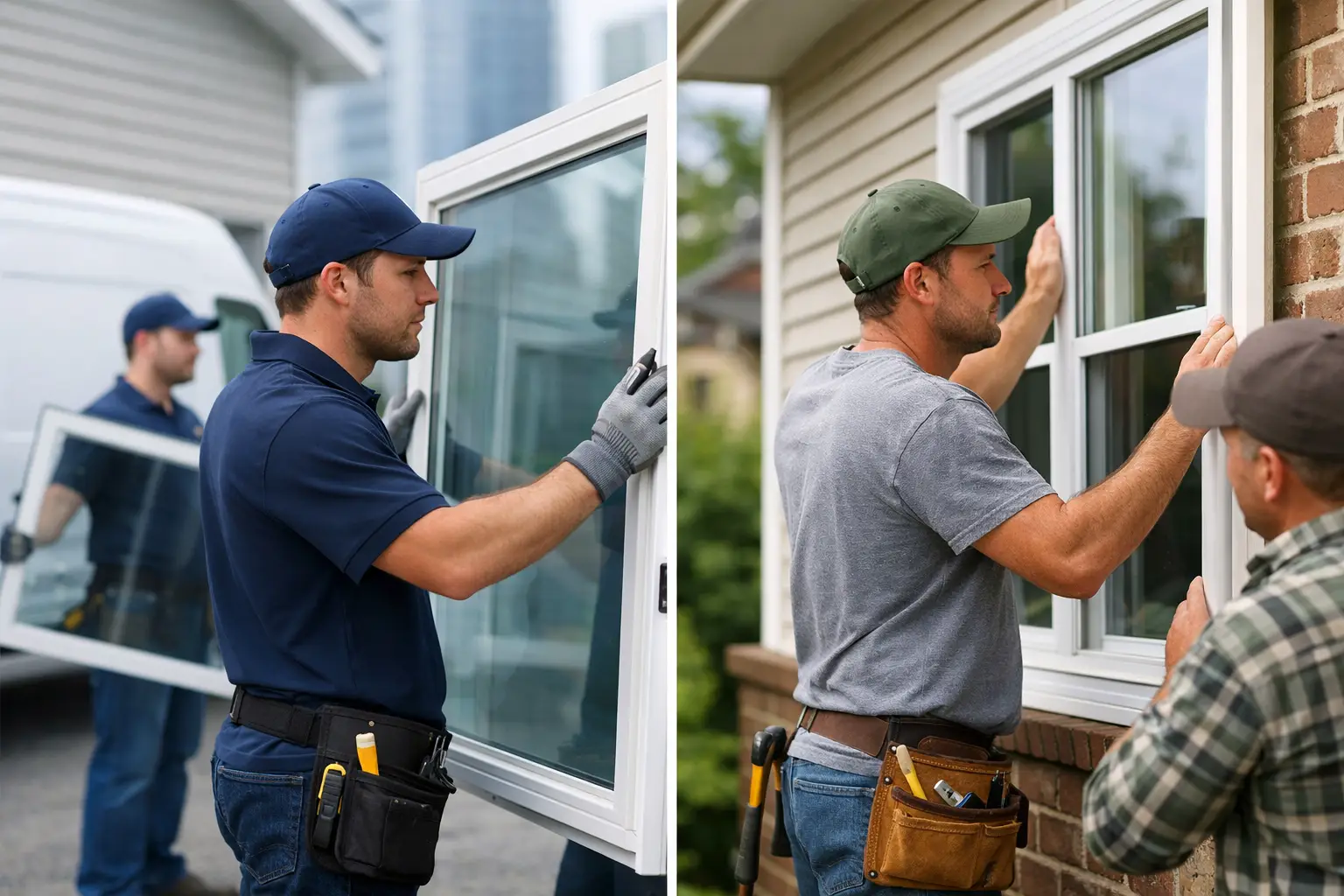
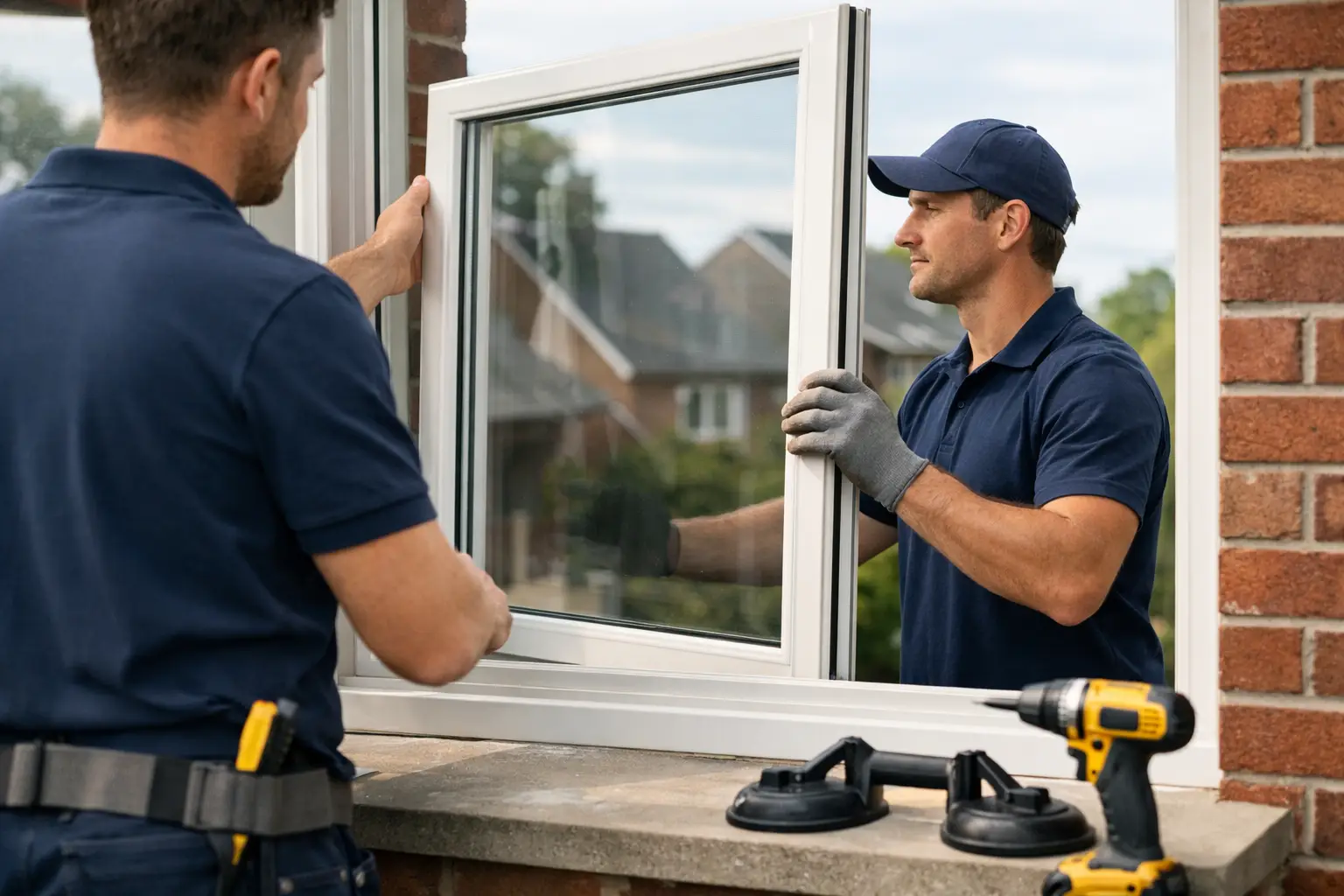
A well-run installation should feel organised, tidy and straightforward. It normally starts with a home survey so measurements can be checked properly and any issues picked up before manufacture. Once your windows are ready, fitting is usually completed room by room to keep disruption manageable.
There will be some noise and dust – that is unavoidable – but a professional team should work carefully, protect the area and leave things in good order. Once fitted, the windows should open and close smoothly, seals should be tight and the finish should look clean both inside and out.
Do not be afraid to ask questions before the work begins. How long will it take? What preparation is needed? Who is carrying out the installation? A family-run company with in-house fitters, such as CW Doors & Windows, often gives customers more confidence because responsibility stays in one place from quote to completion.
Common mistakes to avoid
One mistake is choosing on price alone. Budget matters, of course, but poor installation or lower-grade products can cost more in the long run if you end up with draughts, faults or an untidy finish.
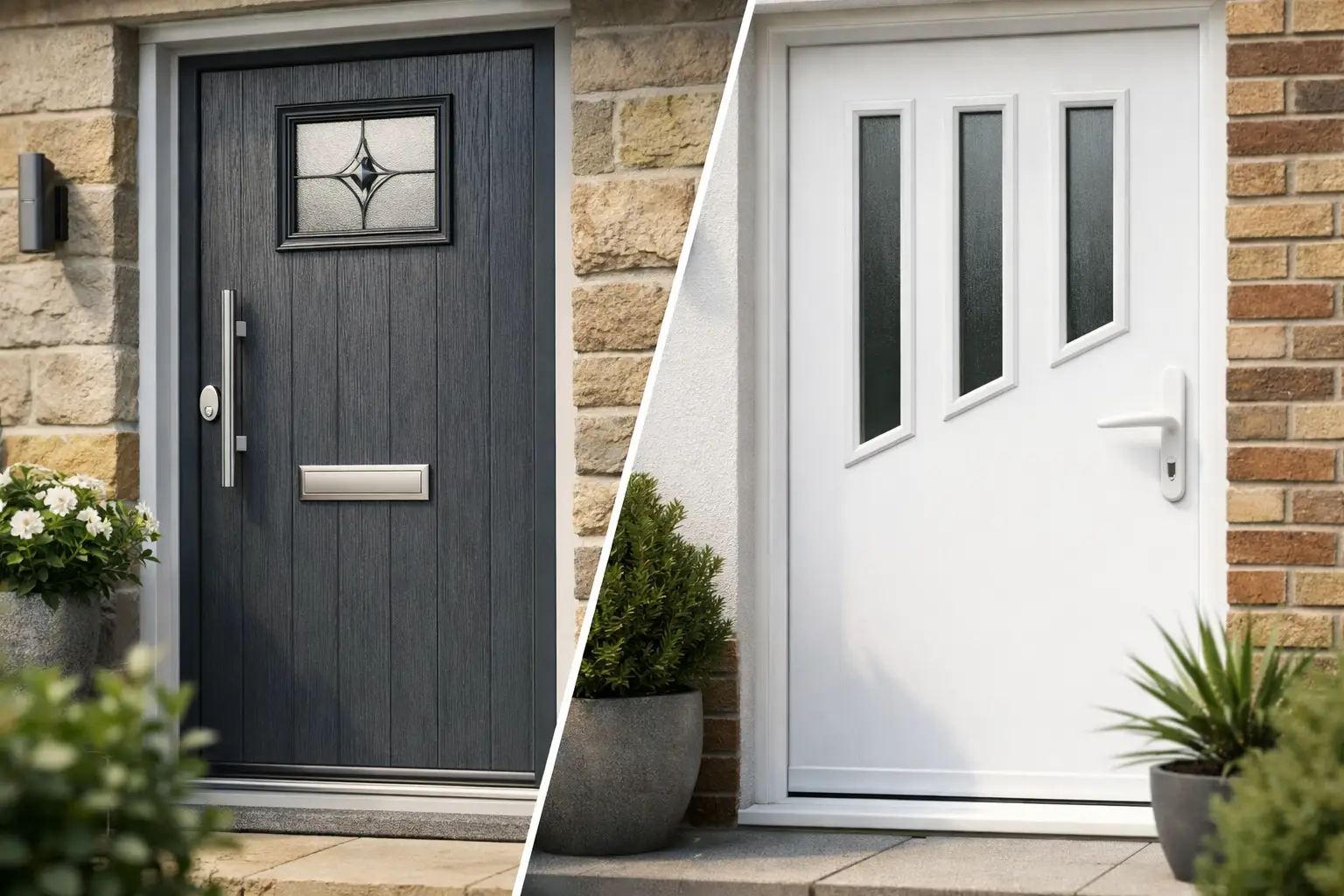
Another is focusing only on the front of the house. Matching style across the whole property usually gives a better result than upgrading one elevation while leaving the rest inconsistent. It is also worth thinking ahead. If you expect to replace doors later, choose windows that will sit well with future changes.
Lastly, do not rush the decision just because a salesperson says a discount ends tonight. Good local firms do not need that approach. They earn trust by being clear, fair and easy to deal with.
Replacement windows are a practical investment, but they should still feel right for your home. If you take the time to compare options properly, ask sensible questions and choose a company that values workmanship as much as price, you are far more likely to end up with windows that look good, perform well and stay that way for years.