If your windows rattle in the wind, let in draughts, or leave rooms colder than they should be, replacement moves from a nice idea to a sensible home improvement. This guide to replacement house windows is designed to help you make clear decisions without the sales talk, so you can choose windows that suit your property, your budget and the way you live.
For most homeowners, replacing windows is not something you do often. That is why it pays to get the basics right at the start. The best result is not simply a newer-looking window. It is a window that improves comfort, helps with energy bills, strengthens security and still looks right on the house years later.
Why homeowners replace windows
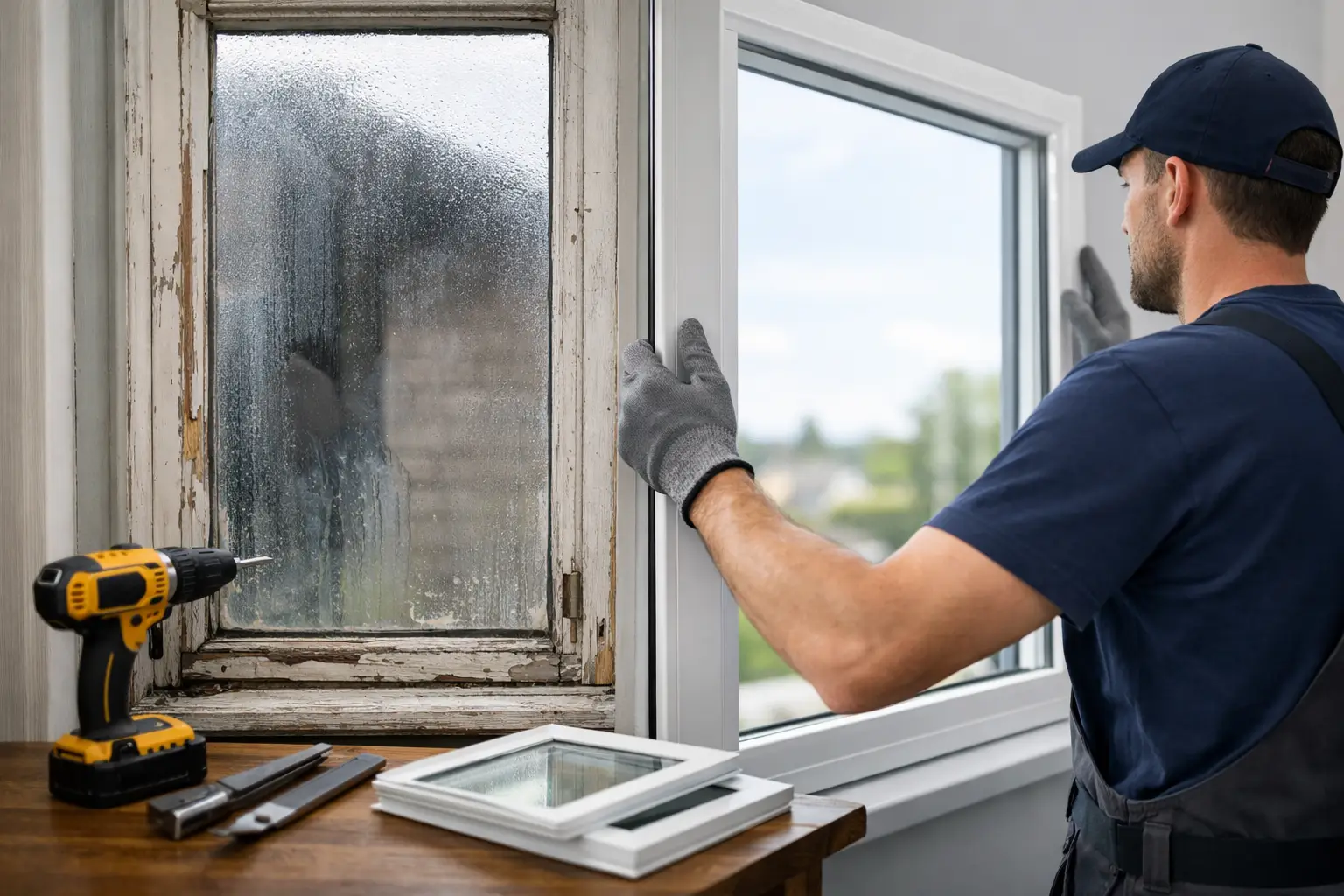
The obvious reason is age. Older windows can become stiff, misted, draughty or difficult to lock properly. Timber frames may start to swell or rot, while outdated glazing often struggles to keep heat in and outside noise out.
Sometimes the issue is less dramatic but just as frustrating. A room that never feels warm, condensation building up between panes, or a property that looks tired from the outside can all point to windows that are past their best. In other cases, homeowners replace windows during wider renovation work, or before selling, because the right style can lift kerb appeal straight away.
There is also the question of security. Modern replacement windows are generally built with stronger frames, better locks and improved glazing options. If your existing windows are dated, security can be a valid reason to upgrade even if they still open and close.
A guide to replacement house windows starts with the frame
One of the first decisions is the frame material. For many homes, uPVC is the practical choice because it is low maintenance, durable and cost-effective. It suits a wide range of properties and gives homeowners a clean finish without the need for regular painting.
That said, the right option depends on the property and what matters most to you. Some people focus mainly on cost and ease of upkeep. Others care more about matching the original character of the house. The best installers will talk you through what is suitable rather than pushing one answer for every job.
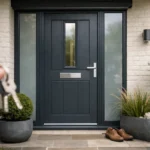
Frame colour and finish matter more than people sometimes expect. White remains a popular choice because it is neat, timeless and works with almost any brickwork or render. Anthracite grey has become a strong option for more contemporary homes, while wood-effect finishes can help retain a traditional look without the maintenance of real timber.
Choosing the right window style
Style is not just about appearance. It affects ventilation, ease of cleaning and how the window works in everyday life.
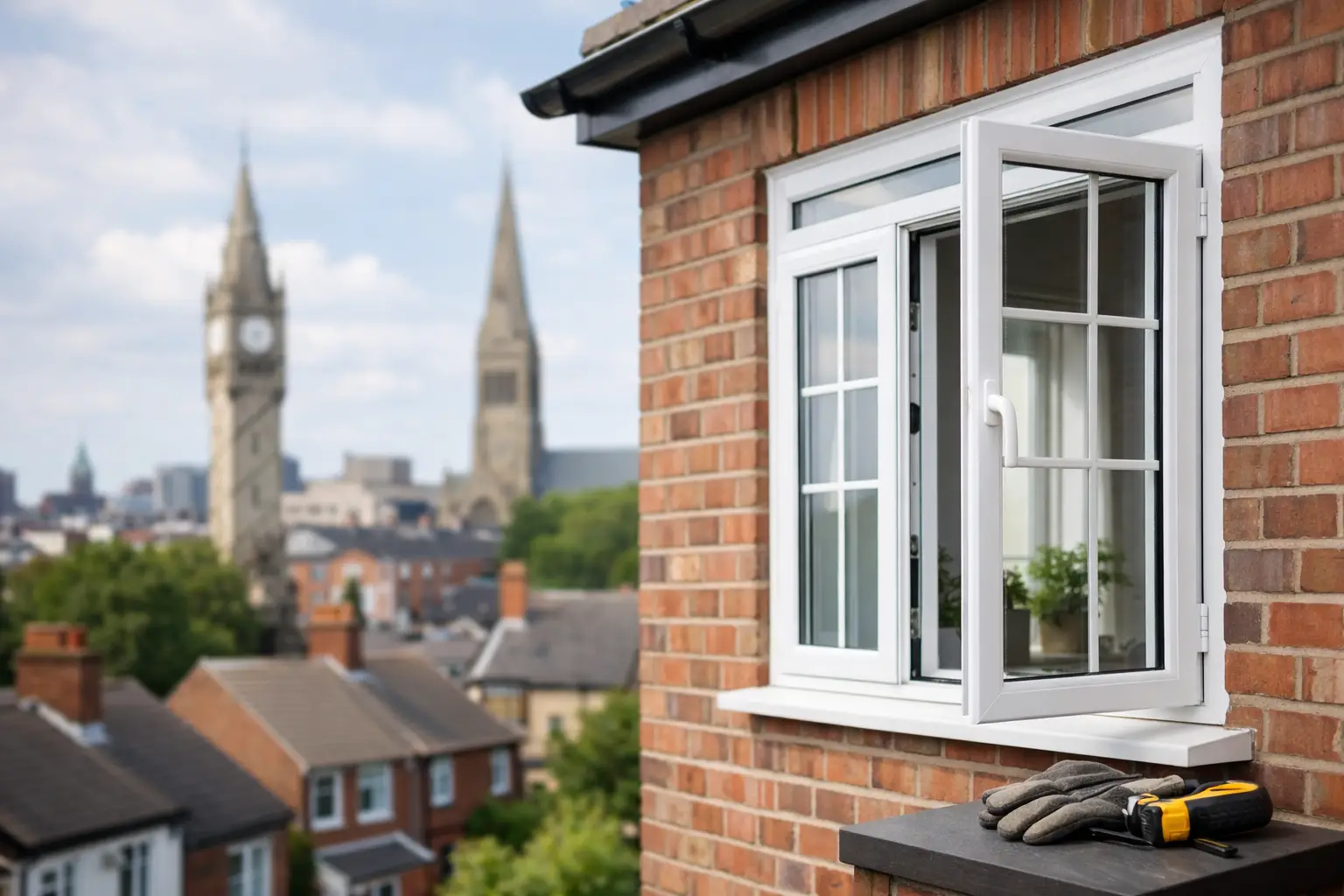
Casement windows are among the most common choices in the UK. They are versatile, suit most property types and can offer very good energy efficiency when fitted well. They are often the straightforward answer for homeowners replacing older units on a like-for-like basis.
Tilt and turn windows are often chosen where easy cleaning is important, especially on upper floors. They can be practical, but they also give a more modern look that may not suit every house.
Bay and bow windows can make a room feel larger and brighter, but replacement costs are usually higher because the structure is more complex. If you are replacing this type of window, careful measuring and experienced installation matter even more than usual.
For period-style properties, the look of the window can be just as important as performance. Details such as glazing bars, frame proportions and opening style can make the difference between an upgrade that blends in and one that looks out of place.
Double glazing, energy efficiency and comfort
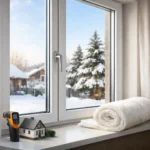
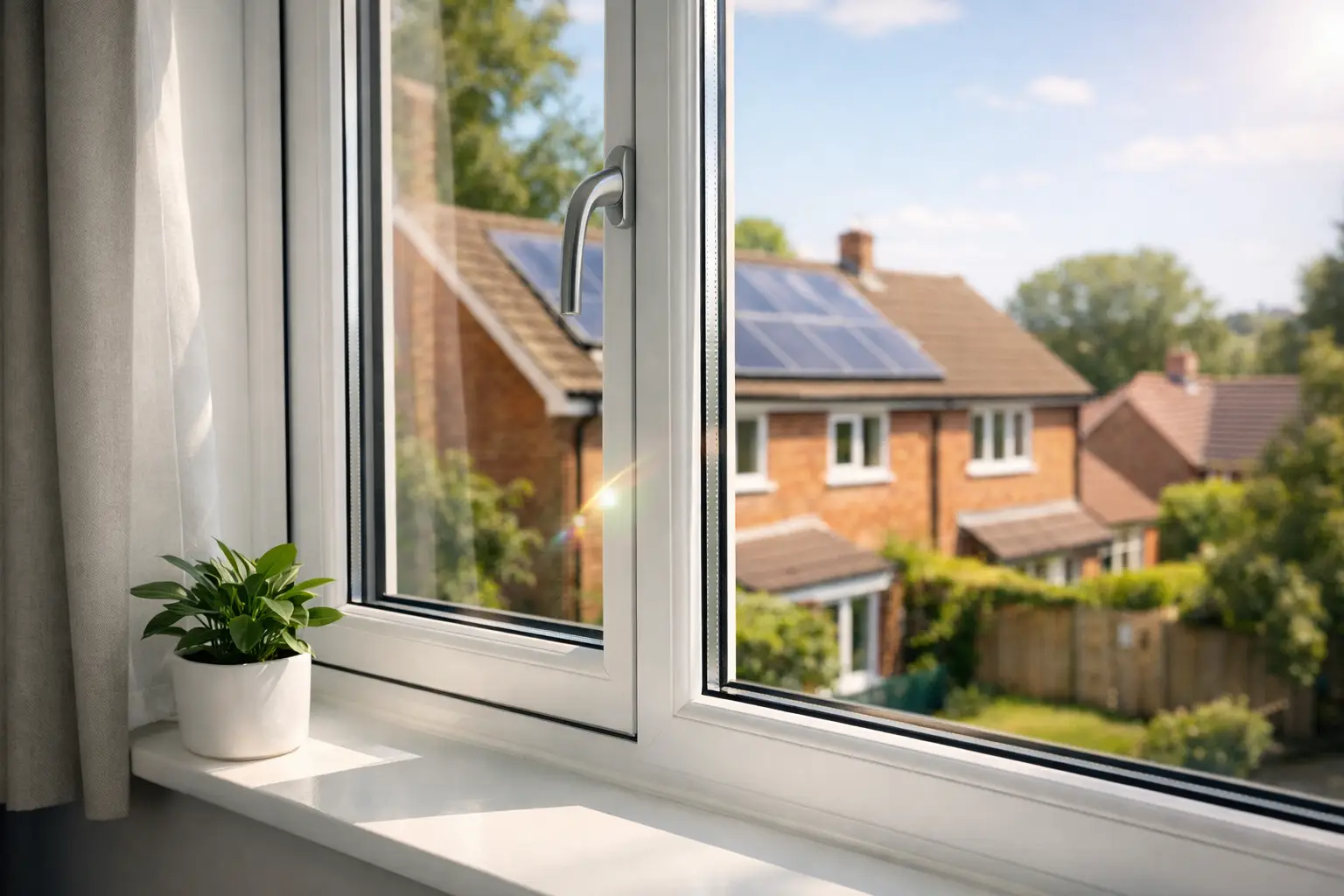
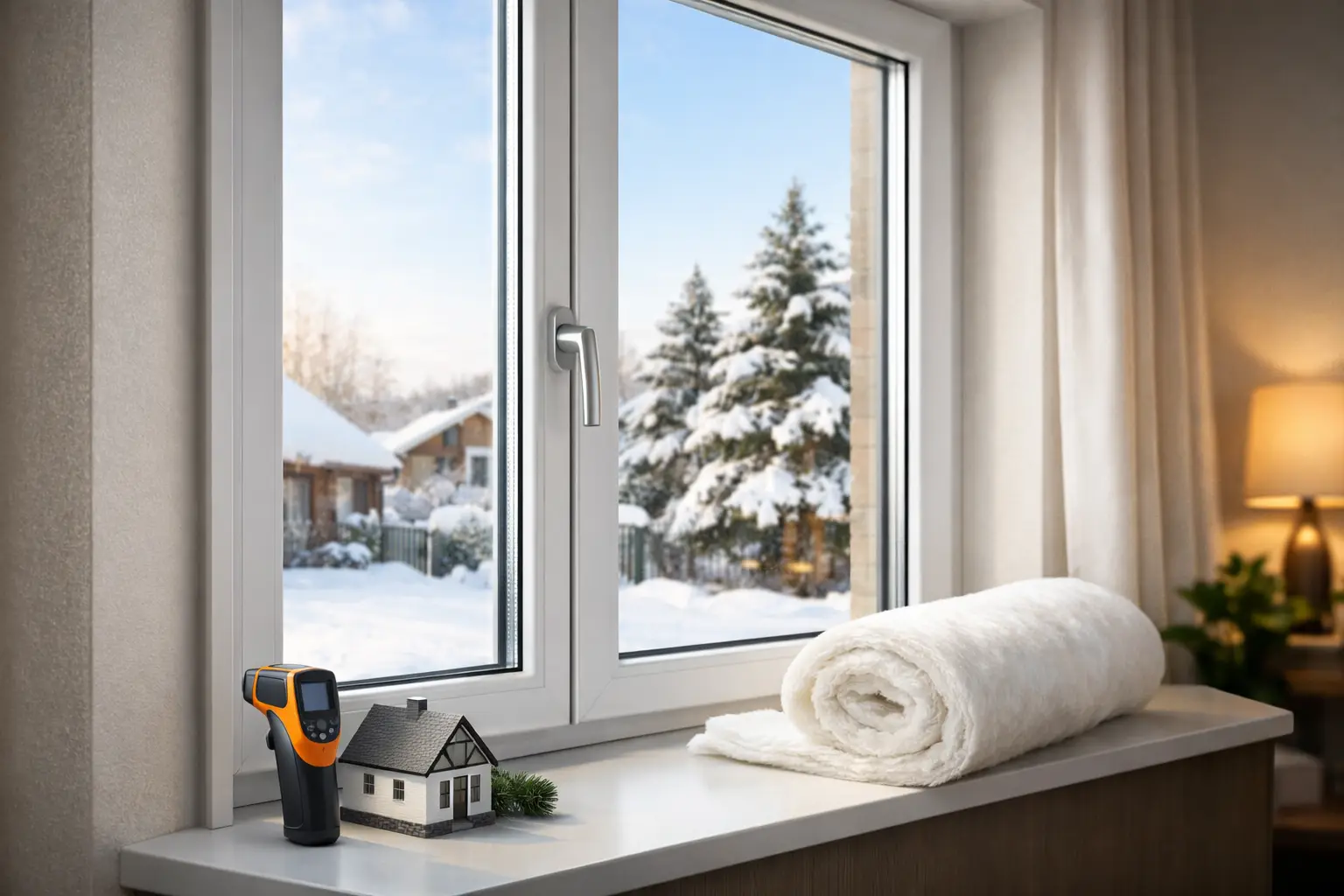
A lot of people start looking into new windows because they want lower heating bills. That makes sense, but energy efficiency should be viewed in terms of comfort as well as cost. Good replacement windows can reduce draughts, improve temperature control and make the home feel noticeably more settled.
Double glazing is now the standard choice for most replacement projects. It helps trap heat, reduce outside noise and improve overall efficiency compared with older single-glazed or failing double-glazed units. Depending on the window specification, you may also benefit from low-emissivity glass, gas-filled units and warm edge spacer bars, all of which support better thermal performance.
Still, there is a balance to strike. The highest specification on paper is not always necessary for every property. If the rest of the home is poorly insulated, the gains from premium glazing may be less noticeable than expected. Honest advice matters here. A sensible installer should explain where better performance is worth paying for and where a standard option may do the job well.
Security should be built in, not added on
Replacement windows should give you peace of mind as well as better insulation. Modern locking systems, stronger hinges and tougher glazing options all contribute to a more secure home.
If security is a particular concern, ask about multi-point locking and the overall strength of the frame and hardware. Ground floor windows and easily accessible side or rear windows often deserve extra attention. A well-made window fitted properly is far harder to compromise than an older unit with worn locks or loose frames.
It is also worth remembering that security depends on installation quality as much as the product itself. Even a good window can be undermined by poor fitting. That is one reason many homeowners prefer companies that handle installation in-house rather than passing work to subcontractors.
What affects the cost?
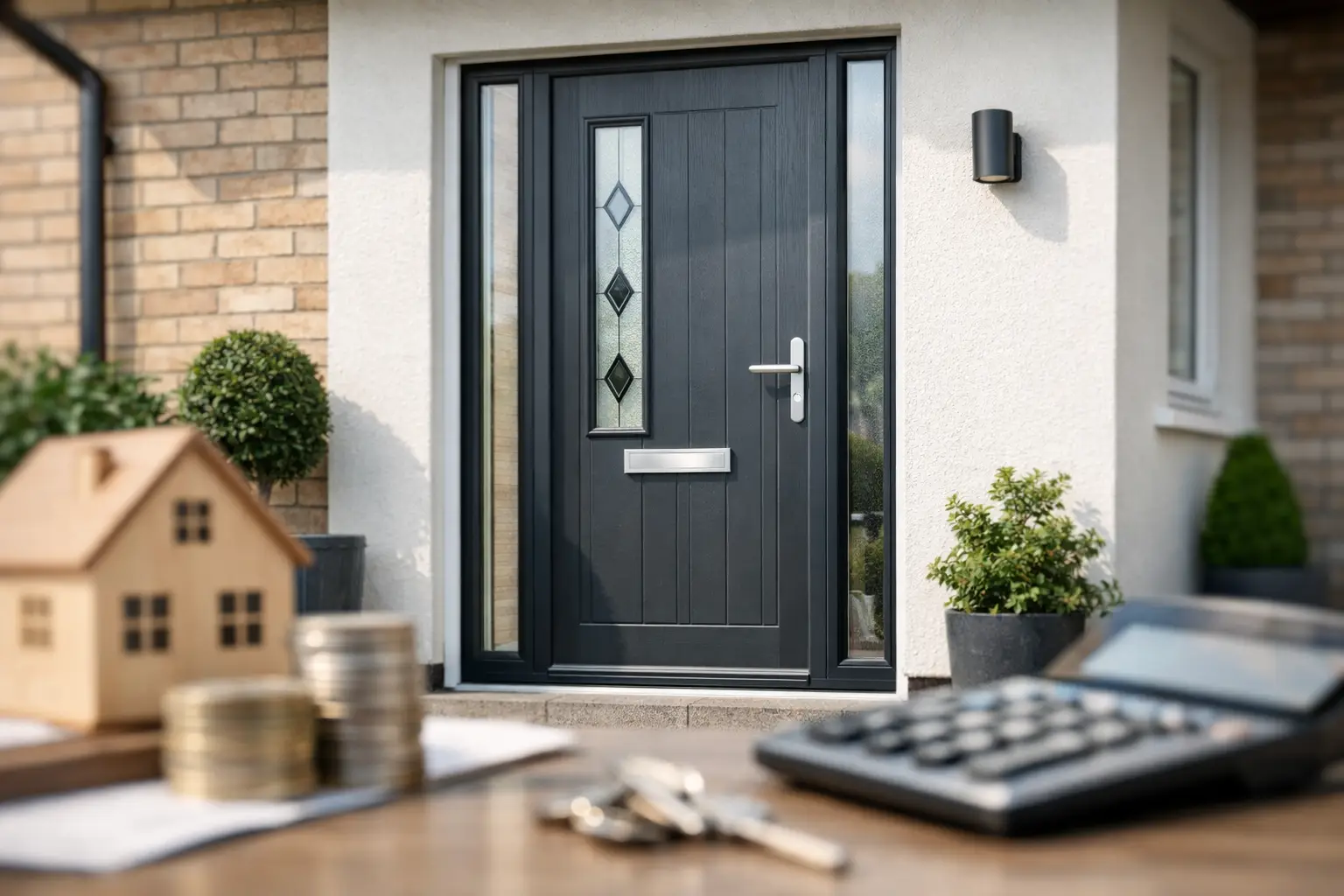
There is no single price for replacement windows because every property is different. Size, style, frame finish, glazing specification and the condition of the existing openings all affect the final figure.
A straightforward replacement of standard-sized uPVC casement windows is usually more affordable than large bays, unusual shapes or specialist finishes. Access can also make a difference. Upper-floor work or difficult-to-reach areas may add labour time, and if old frames reveal hidden repair work once removed, that can affect the job too.
The cheapest quote is not always the best value. Low prices can sometimes mean corners are being cut on materials, installation or aftercare. At the same time, the highest quote is not automatically better. A fair quotation should be clear, detailed and easy to understand, with no vague extras appearing later.
If you are comparing quotes, make sure they are like for like. One company may price for a different glazing specification, a lower grade of hardware or fewer finishing details. Looking only at the bottom line can be misleading.
Installation matters more than many people realise
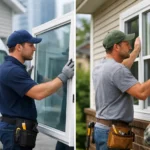
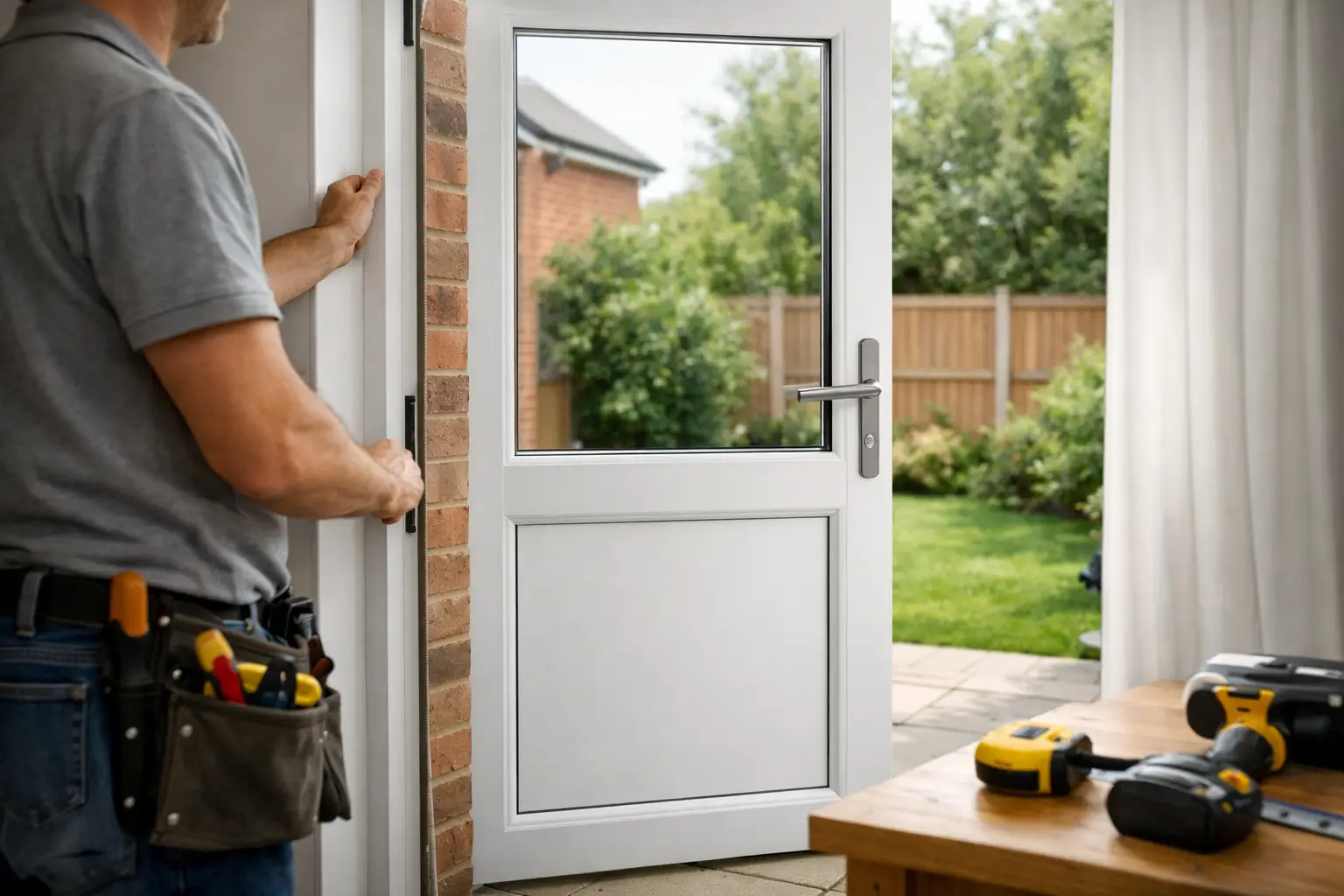
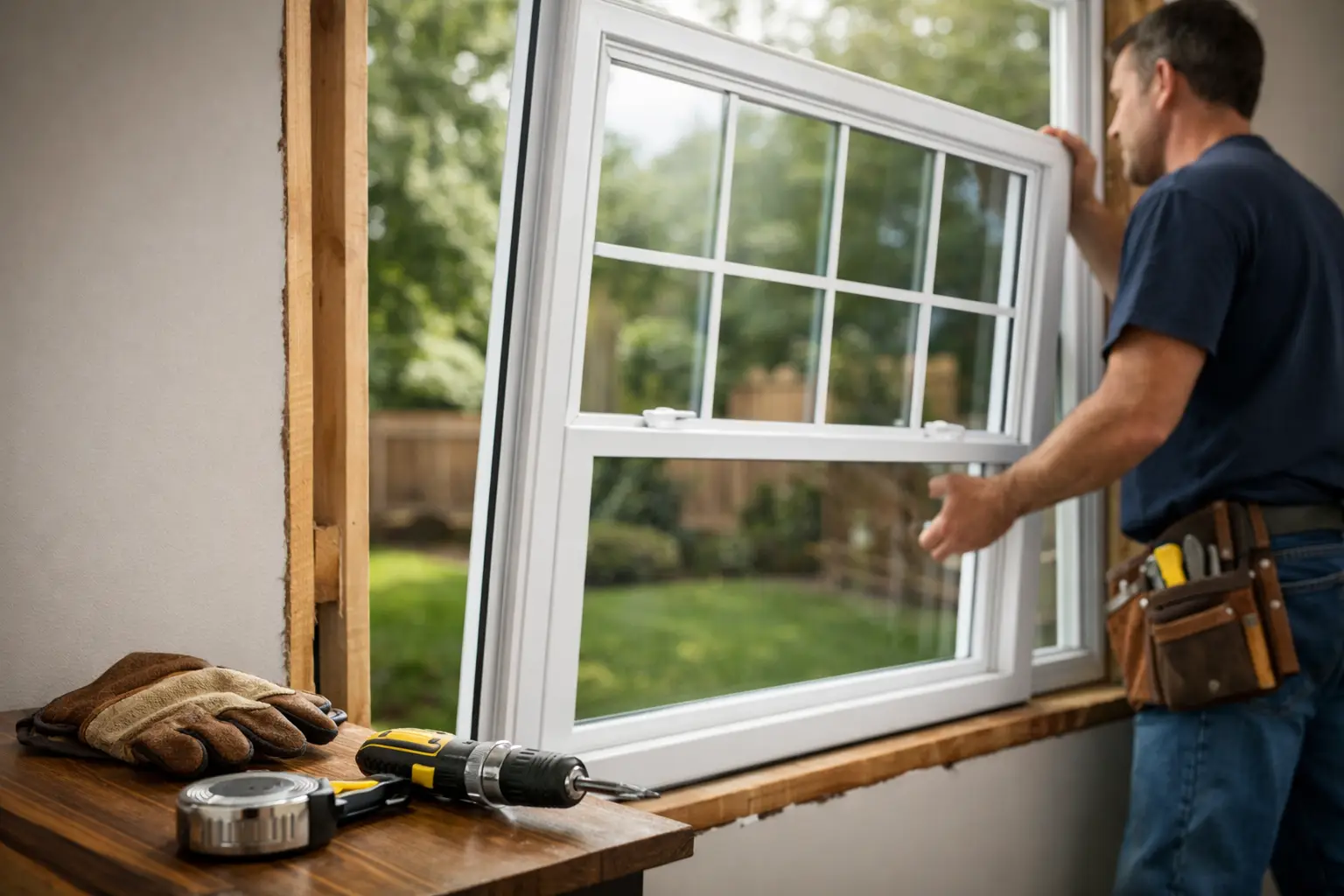
A replacement window has to be measured accurately, fitted squarely, sealed correctly and finished neatly. If any part of that is rushed, you may end up with draughts, sticking openings or a poor finish around the frame.
Good installation should feel straightforward from the homeowner’s side. Surveying should be careful, communication should be clear, and the work on the day should be tidy and professional. You should know what is happening, how long it is likely to take and what to expect once the job is complete.
This is where choosing a dependable local installer can make a real difference. With a family-run company such as CW Doors & Windows, homeowners often value the fact that the advice, fitting and aftercare stay closer to the business itself. That tends to mean clearer accountability and a more personal service.
Questions worth asking before you go ahead
Before agreeing to any installation, it helps to ask practical questions. What exactly is included in the quote? What glazing and hardware are being supplied? Who will carry out the installation? What guarantee is offered on the product and the workmanship?
You should also ask how the finished windows will look from both inside and outside. Trim details, opening configurations and handle choices may seem minor at first, but they affect the end result every day. If something is unclear, it is better to raise it early than assume.
A good company will welcome these questions. Clear answers are usually a sign that you are dealing with people who know their trade and are comfortable being straightforward about it.
Making the right choice for your home
The best windows for your home are not necessarily the most expensive or the most heavily marketed. They are the ones that suit the property, solve the problems you actually have and offer good value over time.
For some households, that means a practical set of secure, energy-efficient uPVC casements that freshen up the house and cut down on draughts. For others, it means taking more care over colour, finish or period styling to preserve the character of the property. Neither approach is wrong. It depends on your priorities.
If you take one thing from this guide to replacement house windows, let it be this: good decisions come from honest advice, careful fitting and products that are right for the job, not from pressure or flashy promises. When your new windows are chosen properly, the difference is not just visible from the street. You feel it every day, in a quieter, warmer and more secure home.