If your windows are due for replacement, the question of double glazing vs triple glazing usually comes up quite quickly. On paper, triple glazing sounds like the obvious upgrade. More glass should mean more warmth, less noise and better performance. In practice, it is not always that simple, and the right choice depends on your property, your budget and what you want your new windows to achieve.
For most homeowners, this is less about chasing a technical specification and more about making a sensible investment. You want a home that feels warmer, costs less to heat, looks smart and stays secure. You also want honest advice, not a sales pitch pushing the most expensive option.
Double glazing vs triple glazing: what is the difference?
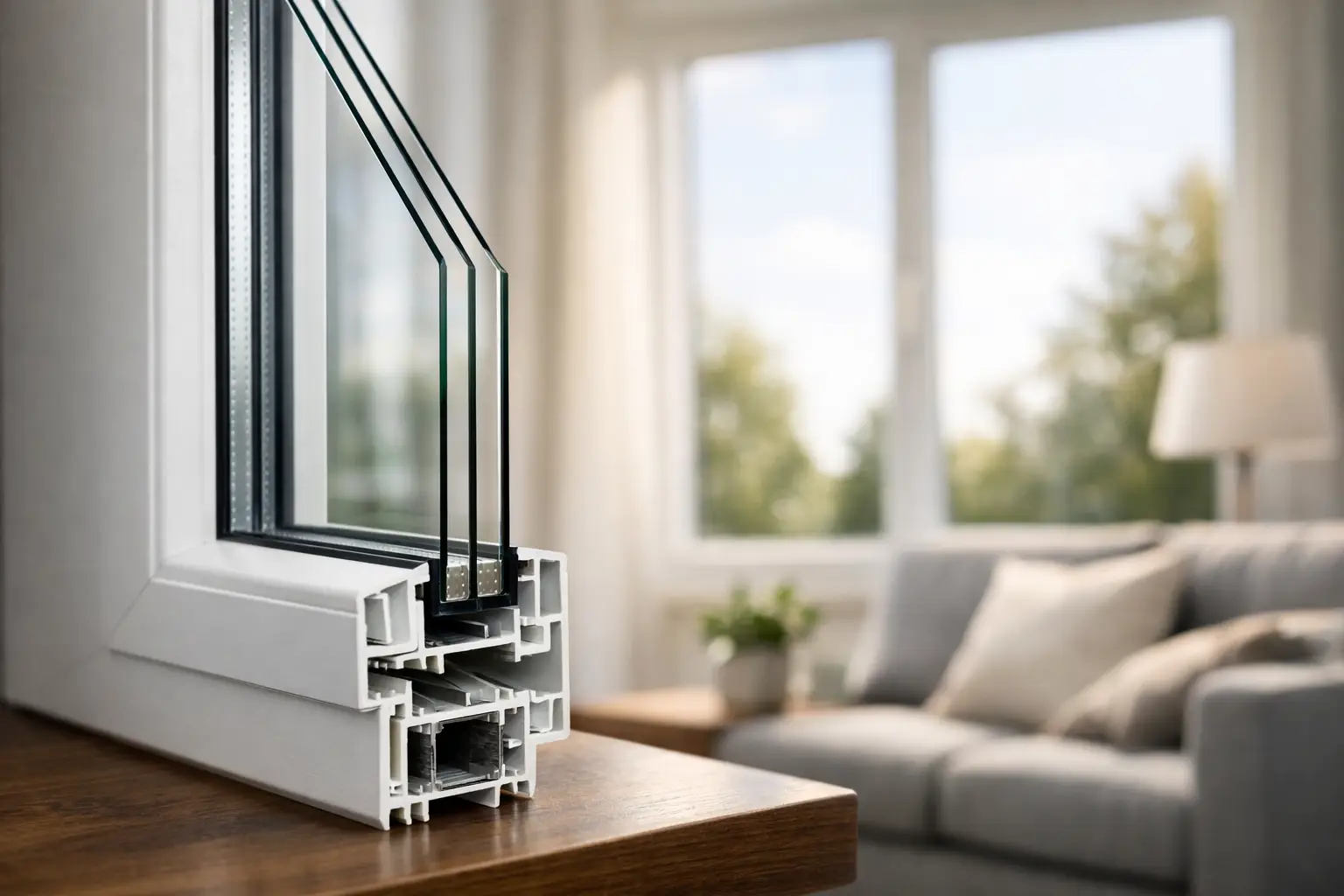
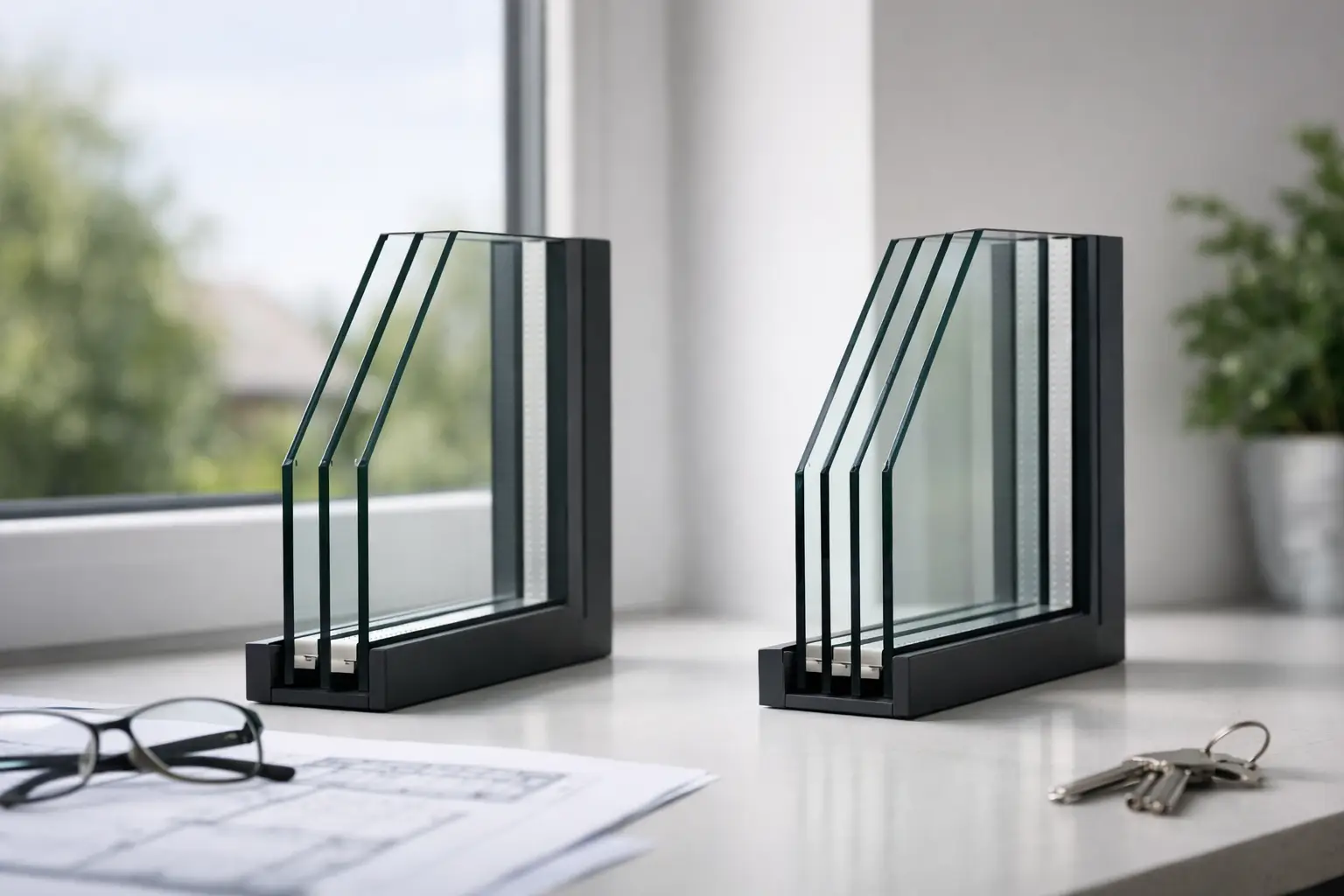
Double glazing uses two panes of glass with a sealed gap between them. Triple glazing uses three panes of glass, creating two sealed gaps. Those gaps are usually filled with an insulating gas such as argon, which helps reduce heat transfer.
That extra pane in triple glazing is designed to improve thermal efficiency. In simple terms, it can help keep more heat inside during colder weather. It may also change how much outside noise reaches the room, although that part is often misunderstood.
The glass itself is only one part of the picture. The frame quality, the spacer bars, the glass specification and the way the window is fitted all affect the final result. A well-made, properly installed double glazed window will usually outperform a poorly made triple glazed one.
Which is warmer?
If warmth is your main concern, triple glazing generally has the edge. The extra pane and additional sealed cavity can improve insulation and reduce heat loss. That can make rooms feel more comfortable, especially in colder parts of the house or on elevations that take the worst of the weather.
That said, the real-world difference is not always dramatic in a typical UK home. Many modern double glazed windows already offer very good energy performance, especially when paired with quality frames and low-emissivity glass. If you are replacing very old windows, even moving to new double glazing can feel like a major improvement.
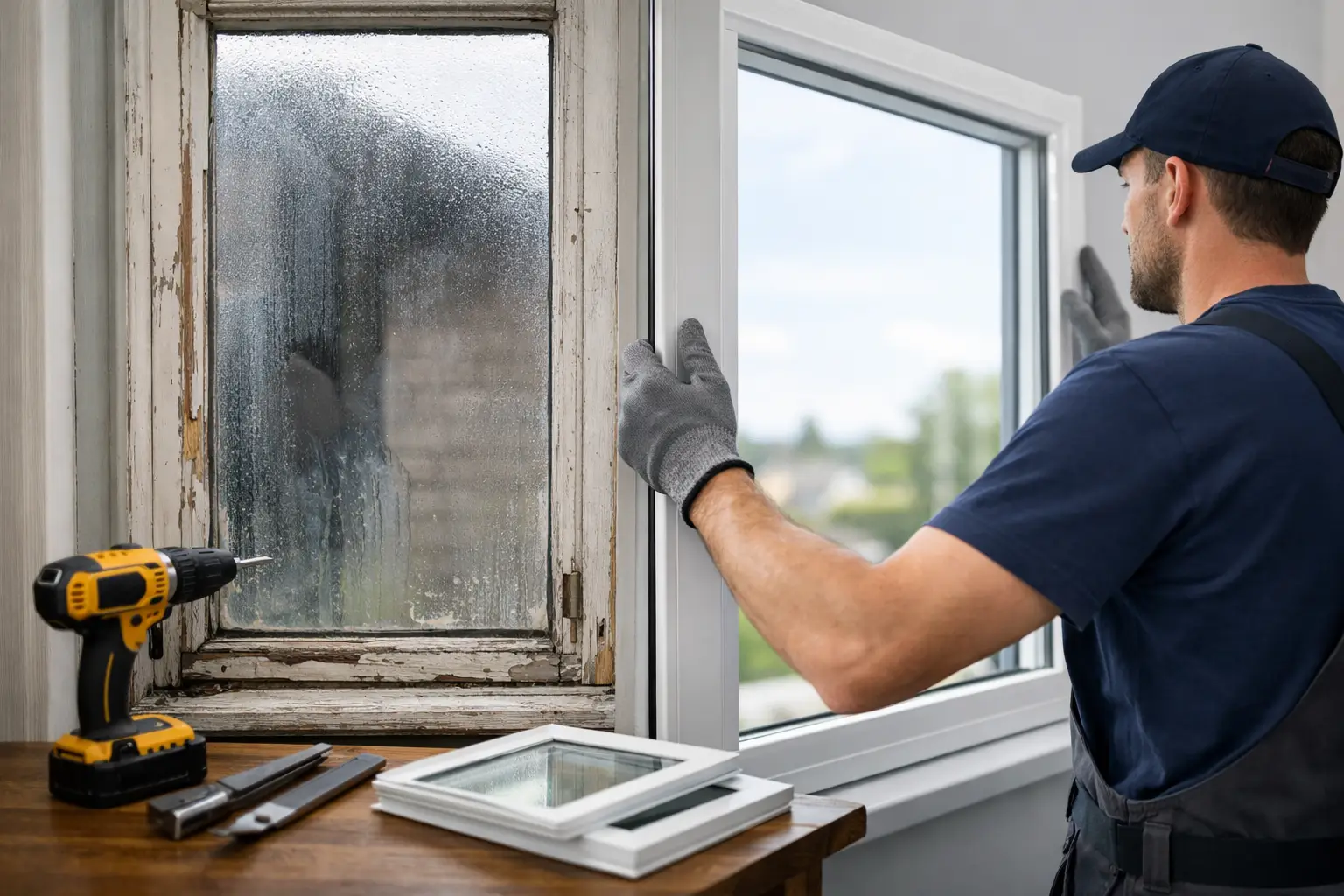
For many households, the biggest jump in comfort comes from replacing draughty, ageing units rather than choosing between two good modern options. If your current windows rattle, leak heat and let in cold air, both double and triple glazing are likely to feel better than what you have now.
What about energy bills?
This is often the point where expectations need a bit of balance. Triple glazing can help reduce heat loss, but that does not automatically mean massive savings on your bills. The extra cost of the units may take time to recover through energy savings alone.
If your home has poor insulation elsewhere, such as an uninsulated loft, old doors or wall insulation issues, your money may go further by addressing those areas too. Windows matter, but they are only one part of the building envelope.
For homeowners who plan to stay put for years, the value of triple glazing is often as much about comfort as running costs. A warmer room, fewer cold spots and a more solid feel can still make it worthwhile, even if the financial payback is gradual.
Is triple glazing better for noise reduction?
Not automatically. This catches a lot of people out.
Triple glazing can reduce noise in some cases, but more glass does not always mean a quieter room. Sound reduction depends on the whole glass make-up, including pane thickness and the size of the gaps between panes. In some situations, a carefully specified double glazed unit with acoustic glass can perform better against traffic noise than a standard triple glazed unit.
If noise is the main issue, perhaps because you live near a busy road, school route or town centre, it is worth focusing on acoustic performance rather than simply the number of panes. This is where proper advice matters. The best option for warmth is not always the best option for sound.
Double glazing vs triple glazing on cost
The clearest difference for most buyers is price. Triple glazing is more expensive than double glazing, both for the units themselves and sometimes for the wider installation because of the additional weight and specification.
That does not mean triple glazing is poor value. It simply means it needs to be chosen for the right reasons. If you are upgrading a forever home, improving a particularly cold extension or trying to get the best possible efficiency from a renovation, the added cost may make sense.
If you are replacing all the windows in a standard family house and want a strong balance of performance, appearance and affordability, modern double glazing is often the more practical choice. It gives you a clear upgrade without stretching the budget unnecessarily.
Security, durability and everyday use
In day-to-day terms, both double and triple glazed windows can offer excellent security when they are built with quality locking systems and fitted properly. Security is not simply a matter of adding another pane of glass. The frame strength, hardware and installation standard matter just as much.
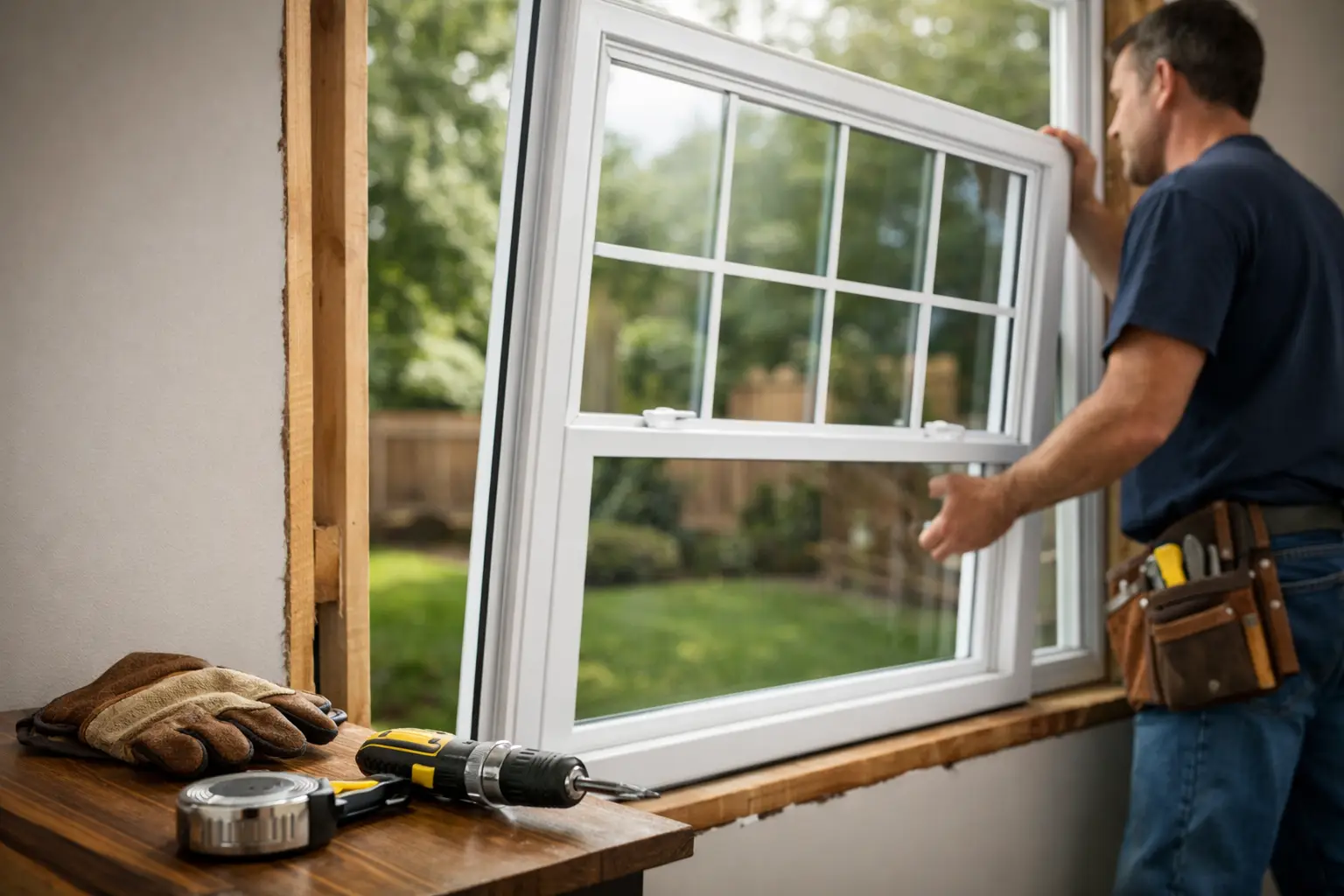
Durability is similar. Good products installed well should last for many years whether you choose double or triple glazing. Triple glazed units are heavier, which means the hinges, frames and fitting need to be right. That is why experienced installation matters. The product is only as good as the workmanship behind it.
From a homeowner’s point of view, the most noticeable everyday benefits are often warmth near the window, reduced draughts and a more solid, reassuring feel when opening and closing the units.
When double glazing is the better choice
Double glazing is often the right fit for homeowners who want strong energy efficiency, good value and reliable all-round performance. It suits the majority of replacement window projects in the UK and remains the most common choice for good reason.
It can be especially suitable if your current windows are old or failing, your budget needs to cover multiple windows or doors, or your property already performs reasonably well in other areas. In these situations, the jump from outdated glazing to modern double glazing is usually substantial enough to deliver the comfort and efficiency improvements you are looking for.
It is also a sensible option if you want to keep costs under control without compromising on quality. A high-standard double glazed installation done properly is a very different thing from simply choosing the cheapest quote.
When triple glazing is worth considering
Triple glazing tends to make more sense where performance is the priority and the budget allows for it. If certain rooms are always cold, if the property is exposed to harsher weather, or if you are aiming for the best possible insulation standard, it may be worth the extra outlay.
It can also be a good option for newer build projects or major renovations where you want the glazing to match a higher-spec overall design. In those cases, triple glazing may fit the broader goal of creating a more energy-efficient home from the outset.
The key is being clear on why you want it. If the answer is simply that it sounds better, it is worth pausing. If the answer is that your home has specific comfort or efficiency issues and you want to solve them properly, then it becomes a stronger case.
The right choice depends on the property
There is no universal winner in the double glazing vs triple glazing debate. A Victorian terrace, a 1990s semi and a new extension will not all benefit in exactly the same way. Window size, orientation, frame style and the condition of the rest of the property all affect the decision.
This is why honest advice matters more than blanket claims. A good installer should look at the home, ask the right questions and recommend the option that suits the job rather than steering you towards the costliest package.
For homeowners in Leicester and the wider East Midlands, where winter comfort and heating costs are real concerns, either option can be a worthwhile improvement when chosen properly. The important part is to match the product to the property and have it installed to a high standard.
If you are choosing between the two, start with the outcome you want. Better warmth, lower bills, less noise, improved appearance or a sensible balance of all four. Once that is clear, the right glazing choice usually becomes much easier to see.