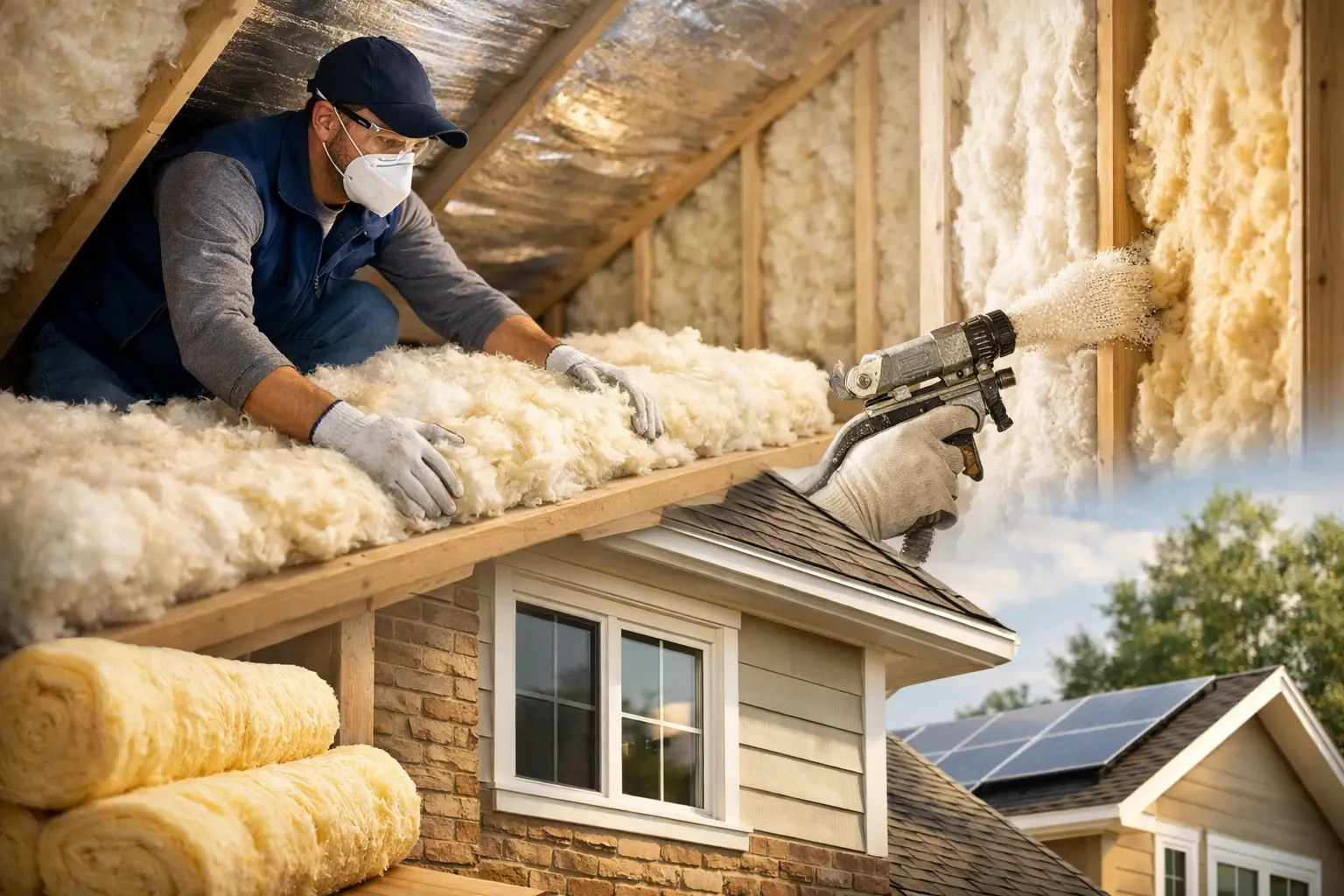
If one room in your house always feels colder than the rest, or your heating seems to work hard without making the place properly comfortable, the issue is often not the boiler. It is usually heat escaping through the parts of the home that are no longer doing their job well. When homeowners ask how to improve home insulation, the best answer is to start with where heat is being lost, then fix the right areas in the right order.
That matters because insulation is not just about loft rolls and cavity walls. Windows, doors, glazing, draughts and even poor fitting frames can all make a noticeable difference to warmth, running costs and day-to-day comfort. Some upgrades are quick and low cost. Others need more investment, but they can transform how a home feels.
How to improve home insulation without wasting money
The biggest mistake is treating every home the same. A modern house with decent loft insulation but old glazed units needs a different approach from a Victorian property with solid walls and obvious draughts. Before spending anything, it is worth paying attention to the signs.
Cold spots near windows, condensation on the inside of glass, draughts under doors, chilly upstairs rooms and high energy bills all point towards weak areas in the building envelope. If you fix the obvious gaps first and then move on to larger improvements, you usually get better value from your budget.
For most homes, the priority order is simple. Stop unwanted draughts, check loft insulation, assess windows and doors, then look at floors and walls. That order is not fixed for every property, but it is a sensible place to begin.
Start with draughts before larger insulation work
Draught-proofing is often the quickest win. You can have plenty of insulation in the loft, but if cold air is still getting in around doors, worn seals or ageing window frames, the house will never feel as warm as it should.
Front doors and back doors are common weak points. If a door has dropped slightly, if seals are perished, or if there is a visible gap around the frame, warm air escapes and cold air gets pulled in. The same applies to older windows where hinges, locks and gaskets have deteriorated over time.
Not every draught means a full replacement is needed. Sometimes adjustment or new seals can improve performance. But if a window or door is older, warped, difficult to close properly or single glazed, repair may only be a short-term fix. In those cases, replacement can make more sense both for warmth and long-term value.
Loft insulation still offers strong value
Heat rises, so the loft remains one of the most important places to check. If your loft insulation is thin, patchy or compressed, topping it up can make a noticeable difference. This is often one of the more cost-effective ways to reduce heat loss.
That said, more is not always better if it is installed badly. Insulation should be laid evenly and without blocking ventilation. Poor airflow in the loft can lead to condensation problems, which creates a different headache altogether. This is where a proper assessment matters rather than simply adding more material and hoping for the best.
Homes with converted lofts need a slightly different approach, because insulation may need to be within the roof structure itself rather than just on the loft floor. If that area always feels too hot in summer and too cold in winter, it is often a sign that the insulation is not performing as it should.
Windows can be a major source of heat loss
When people think about how to improve home insulation, they often focus on walls and roofs first. In reality, windows can have a huge effect on both temperature and comfort, especially in older properties.
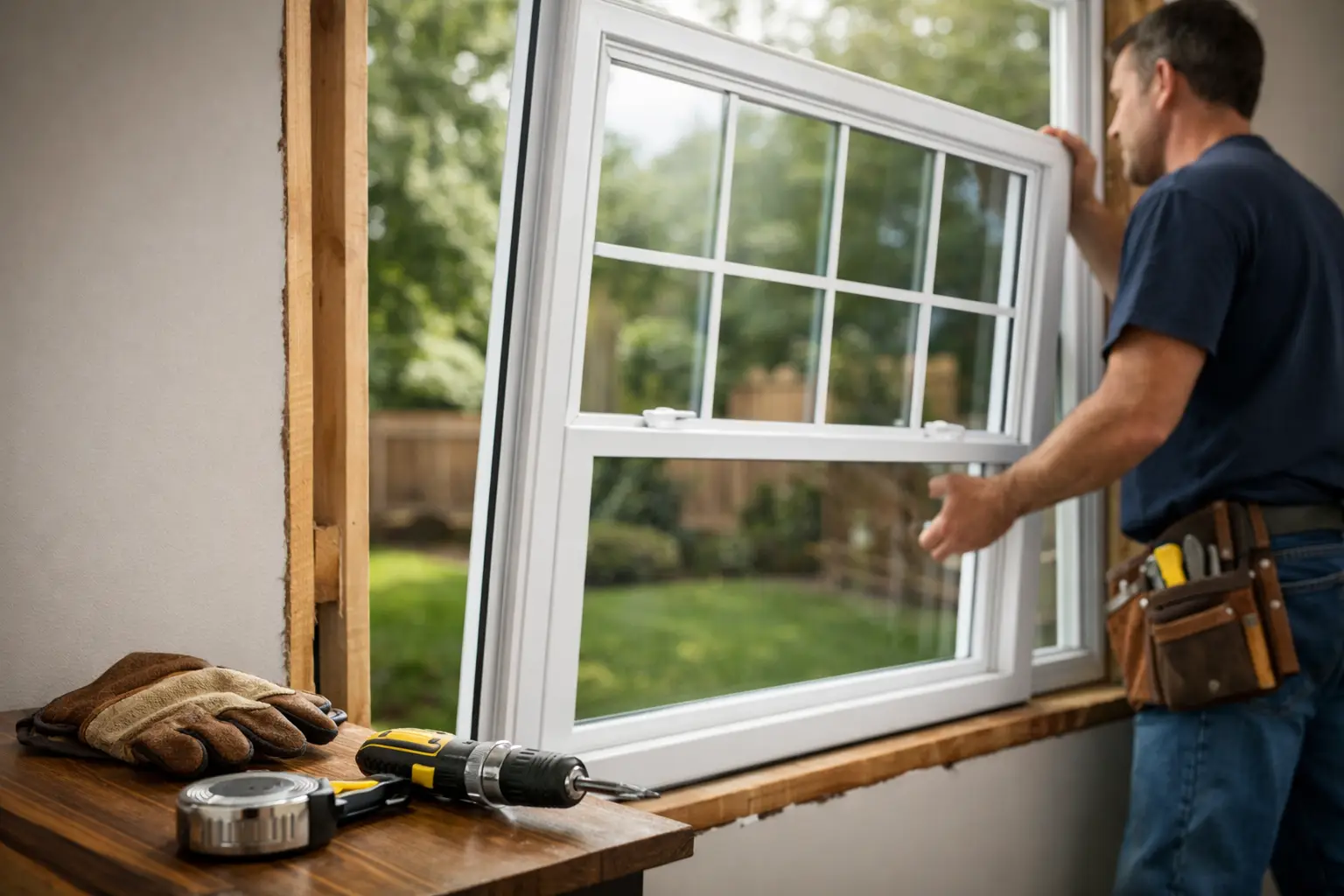
Single glazing is the obvious problem, but ageing double glazing can also underperform. If sealed units have failed, if you notice condensation between panes, or if frames no longer close tightly, the insulation value drops. You may not see a dramatic issue straight away, but you will feel it in colder weather.
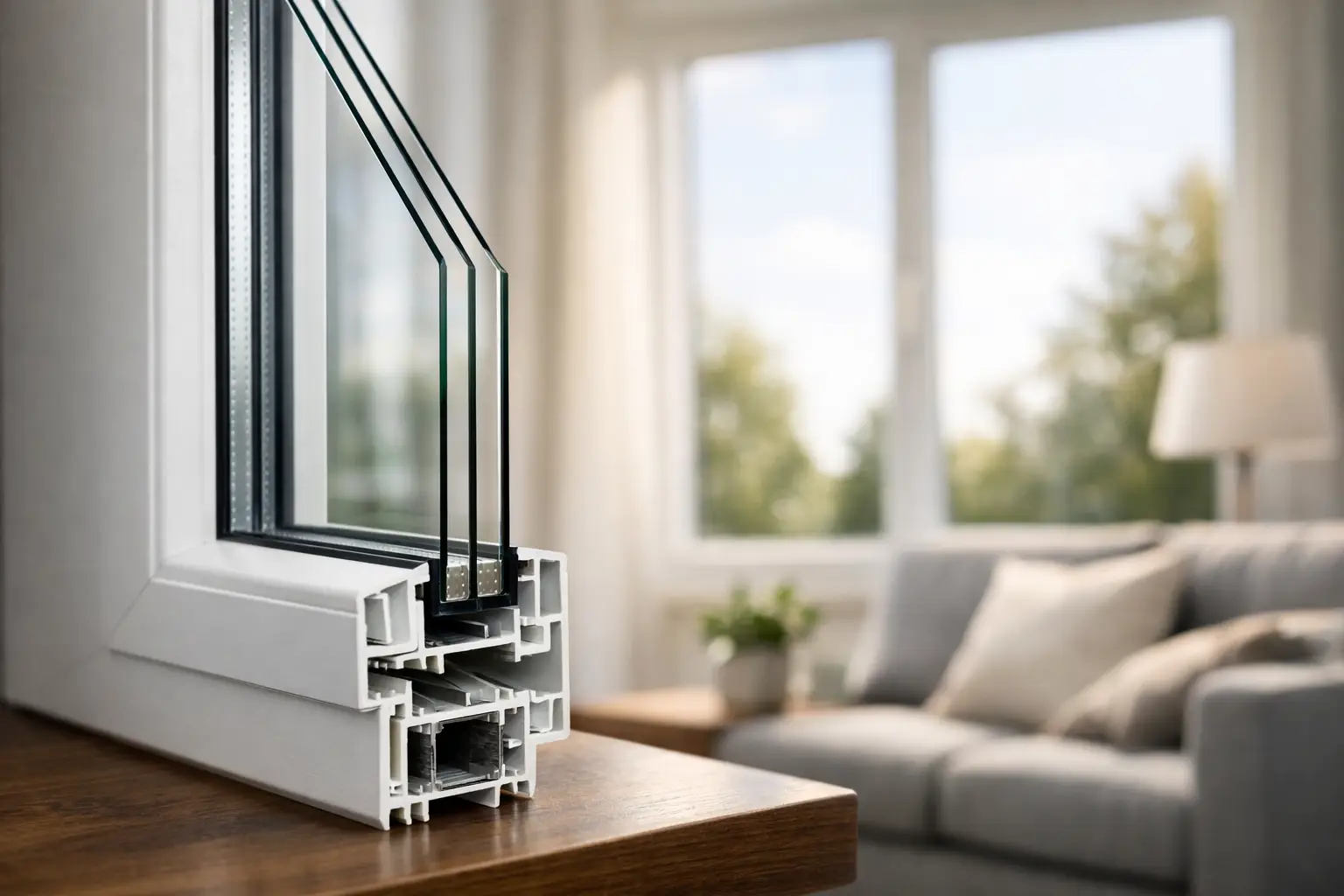
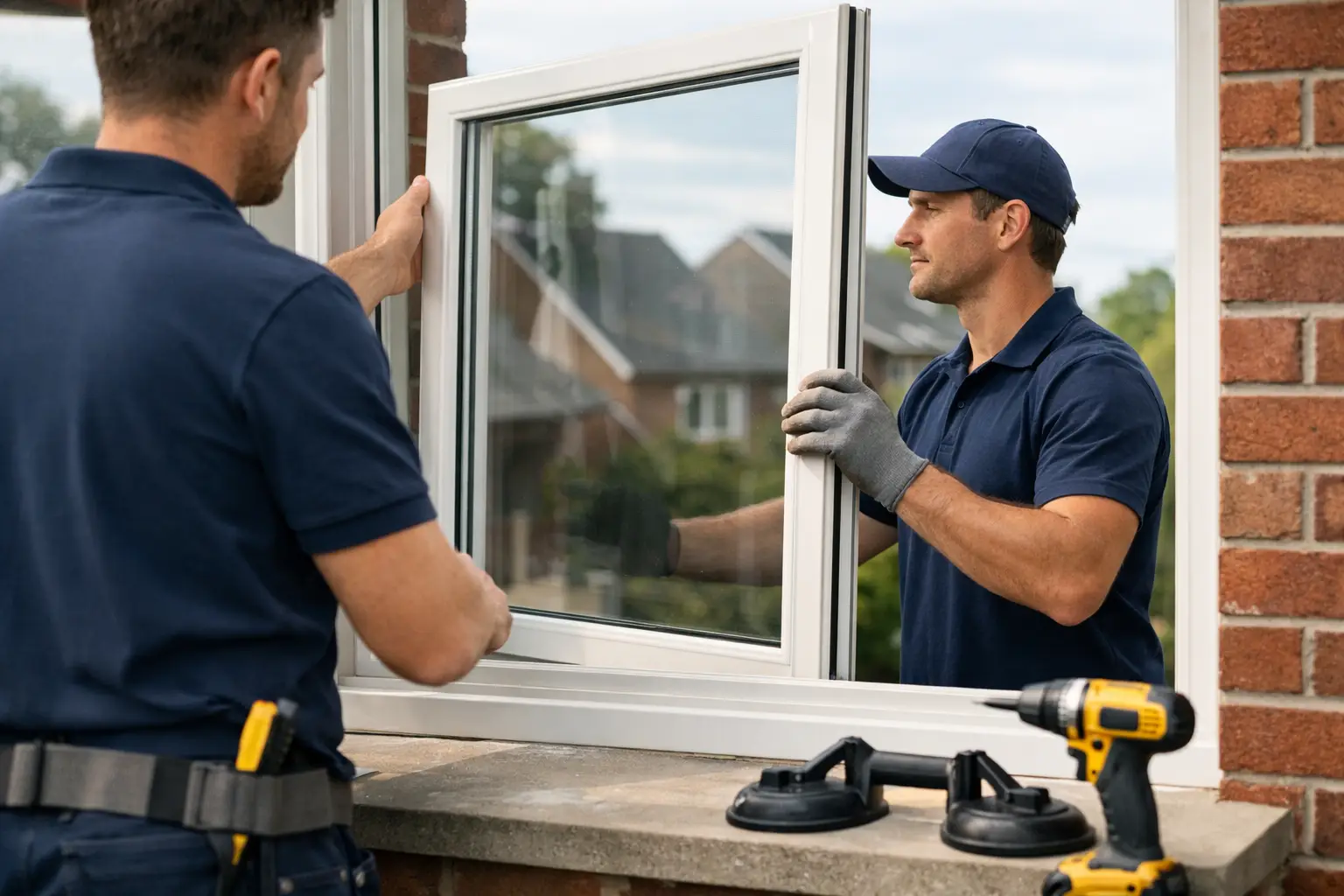
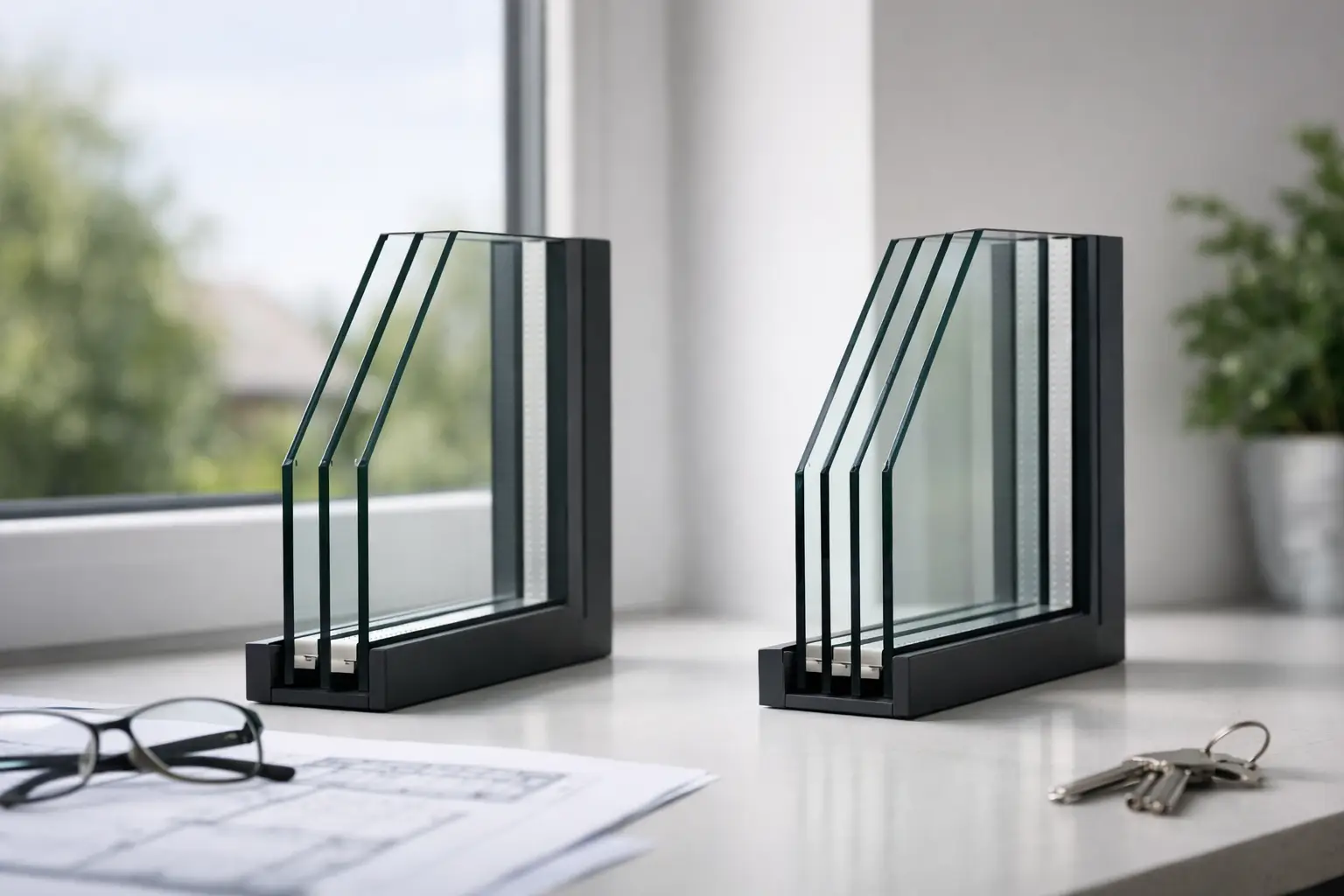
Modern double glazed windows are designed to reduce heat transfer far more effectively than older units. Good quality glazing, well-fitted frames and secure seals all work together to keep warmth in. Just as importantly, they help remove those cold zones near the window that make a whole room feel less comfortable.
There is also a practical trade-off here. If your existing windows are relatively modern and only need maintenance, replacement may not be the best use of money yet. But if they are clearly failing, replacing them is not just a cosmetic upgrade. It can improve energy efficiency, cut draughts, reduce outside noise and make the home feel more secure.
Do not overlook doors and glazed entrances
Doors are easy to ignore because they are used every day and gradual deterioration often goes unnoticed. Yet an old front door, poorly fitted French doors or tired patio doors can leak a surprising amount of heat.
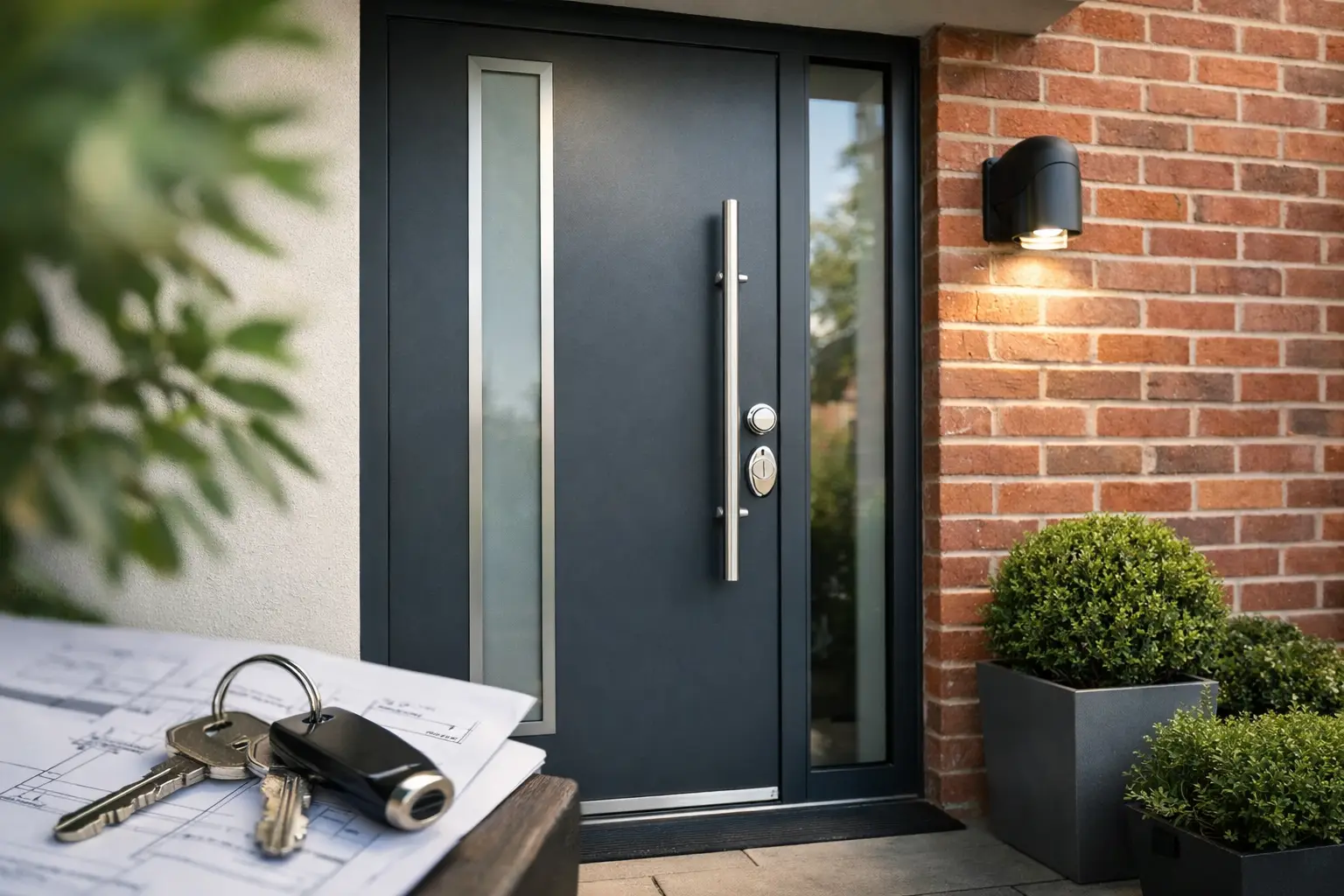
A well-insulated modern door with a properly fitted frame helps create a tighter thermal barrier. Composite doors are especially popular for this reason, as they combine strength, durability and better insulation than many older timber or hollow doors. Rear entrances and side doors matter just as much as the front, particularly if they open into kitchens, utility rooms or hallways where cold air spreads quickly.
If your home has large glazed doors, the quality of the glass and frame becomes even more important. Done properly, they should let in natural light without making the room feel cold in winter.
Wall and floor insulation depend on the property type
Wall insulation can make a big difference, but it is more dependent on the age and construction of the property. Homes with cavity walls may be suitable for cavity wall insulation, while older solid-wall houses need a different solution. Internal or external wall insulation can be effective, but it is usually a bigger project with more disruption and cost.
That does not mean it is the wrong choice. It simply means it needs proper consideration. In some homes, wall insulation brings strong long-term gains. In others, the money may be better spent first on windows, doors and roof insulation if those areas are clearly underperforming.
Floor insulation is often overlooked too. Ground floors can feel cold underfoot, especially in older houses with suspended timber floors. Sealing gaps and insulating beneath the floor can help, though access and cost vary from one property to another. If you have one consistently chilly downstairs room, the floor may be part of the problem.
Ventilation still matters
A warmer home should not become a stuffier home. That is one of the key balances to get right.
If you seal every gap without considering ventilation, you can end up with condensation, damp and poor air quality. Bathrooms, kitchens and utility spaces especially need enough airflow to deal with moisture. Good insulation and draught reduction should improve comfort, but they should not trap damp air indoors.
This is why honest advice matters. The right solution is not simply to make the house as airtight as possible. It is to keep unwanted cold air out while allowing the home to breathe in the right places.
When replacement is the smarter long-term option
There comes a point where patching up older elements stops being good value. If windows rattle, seals have gone, doors no longer fit correctly and you are still dealing with cold spots after smaller fixes, replacement is often the more sensible step.
That is especially true when installation quality is part of the issue. Even the best products will not perform well if they are badly fitted. Professional workmanship matters because thermal performance depends on the whole installation, not just the glass or the door slab on its own.
For homeowners in Leicester and the wider area, working with a local installer who gives straightforward advice can make the process much easier. You want someone to tell you honestly whether a repair, an adjustment or a full replacement is the better option for your property and budget.
A practical way to decide what to do first
If you are unsure where to begin, walk through your home on a cold day and pay attention to where it feels uncomfortable. Check around windows and doors for draughts. Look for condensation, worn seals and rooms that struggle to stay warm. Then compare those findings with the age of the property and the condition of the existing glazing.
That usually tells you far more than guesswork. Some homes need loft insulation first. Others need new windows or a better insulated front door. Quite often, the best results come from combining a few sensible improvements rather than relying on one big change.
A warmer, more efficient home is rarely about chasing every possible upgrade. It is about making the right improvements, in the right order, with clear expectations about cost, comfort and long-term value. If you approach it that way, better insulation is not just a technical fix. It is a practical improvement you will notice every single day.