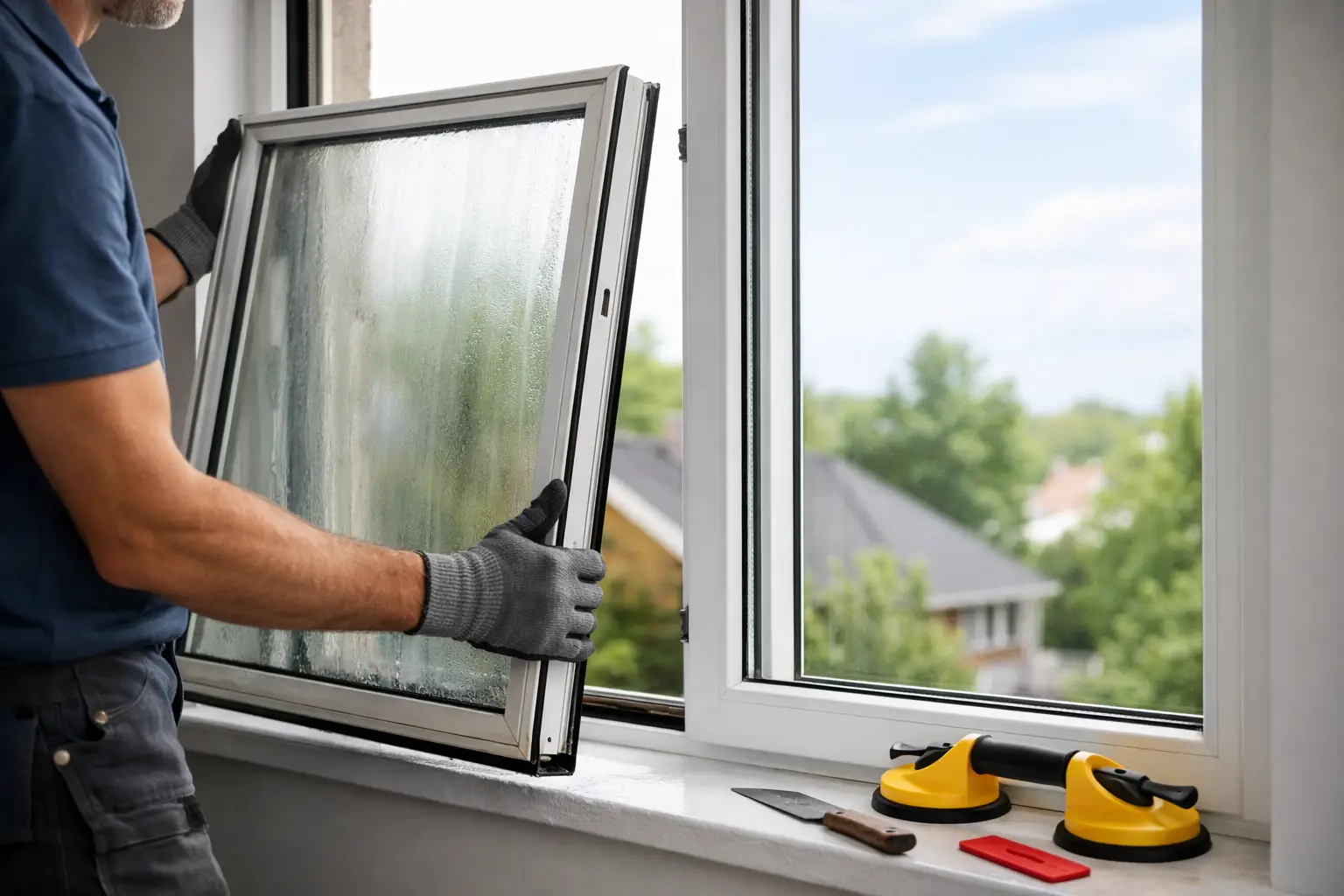
Misty panes, draughts around the frame and a room that never quite warms up properly usually tell the same story – your windows are past their best. If you are wondering how to replace old double glazing, the good news is that the process is usually more straightforward than homeowners expect, provided it is handled properly from the start.
For most properties, replacing old double glazing is not just about looks. It can improve comfort, cut heat loss, reduce outside noise and give you better security at the same time. The key is knowing whether you need full replacement windows, replacement sealed units, or simply expert advice before spending money.
How to replace old double glazing without guesswork
The first step is working out exactly what has failed. Many homeowners assume the whole window has to come out, but that is not always the case. If the frames are still sound and the main issue is condensation between the panes, failed seals or poor thermal performance, replacing the glass units alone may be possible. If the frames are warped, rotten, insecure or badly fitted, full window replacement is usually the better long-term option.
That difference matters because it affects cost, disruption and the result you get. A sealed unit replacement can be quicker and cheaper, but it only makes sense when the surrounding frame is still in good order. Replacing the full window costs more upfront, though it often delivers a much bigger improvement in insulation, operation and appearance.
A proper survey is what removes the guesswork. Measurements need to be exact, openings need to be checked for level and condition, and any signs of damp, movement or failing trims should be spotted before installation day.
Signs your old double glazing needs replacing
Some problems are obvious. Condensation trapped inside the glazing unit is a clear sign that the seal has broken down. You may also notice cold spots near the window, visible gaps around the frame, difficulty opening and closing the sash, or external noise seeming louder than it used to.
There are also less obvious signs. Older double glazing can gradually lose efficiency without a dramatic failure. If your heating bills have crept up and certain rooms always feel colder, ageing units may be part of the problem. Likewise, if the windows look tired and dated from the outside, replacing them can make a noticeable difference to the overall appearance of the property.
Security is another reason people choose to upgrade. Older glazing often lacks modern locking systems, stronger frame construction and improved glass options. If you have inherited windows from a previous owner and do not know how old they are, it is worth having them checked.
Should you replace the glass or the whole window?
This is where an honest installer earns their keep. Not every old window needs a full replacement, and not every failed unit should be patched up.
If the frame is structurally sound, square and still doing its job, replacing just the sealed unit can be a sensible option. It keeps costs down and causes less disruption. This can work well for certain uPVC windows where the frame itself has years of life left.
If the frame is damaged, poorly insulated, discoloured, draughty or no longer secure, a full replacement is normally the better investment. There is little point fitting new glass into a frame that is already letting the rest of the window down.
It also depends on what you want from the upgrade. If your aim is simply to fix failed panes, a glass-only replacement may do the job. If you want a warmer home, improved kerb appeal and better long-term value, replacing the complete window is often the stronger choice.
What happens during the replacement process?
A professional double glazing replacement usually begins with a home survey. This is where measurements are taken, the condition of the existing windows is assessed and your options are explained clearly. You should know what is being replaced, what materials are being used and what the finished result will look like before any order is placed.
Once the specification is agreed, the new units or windows are made to measure. This part matters more than many people realise. Double glazing is not a one-size-fits-all product. Accurate sizing and proper fitting are what prevent future draughts, leaks and operational issues.
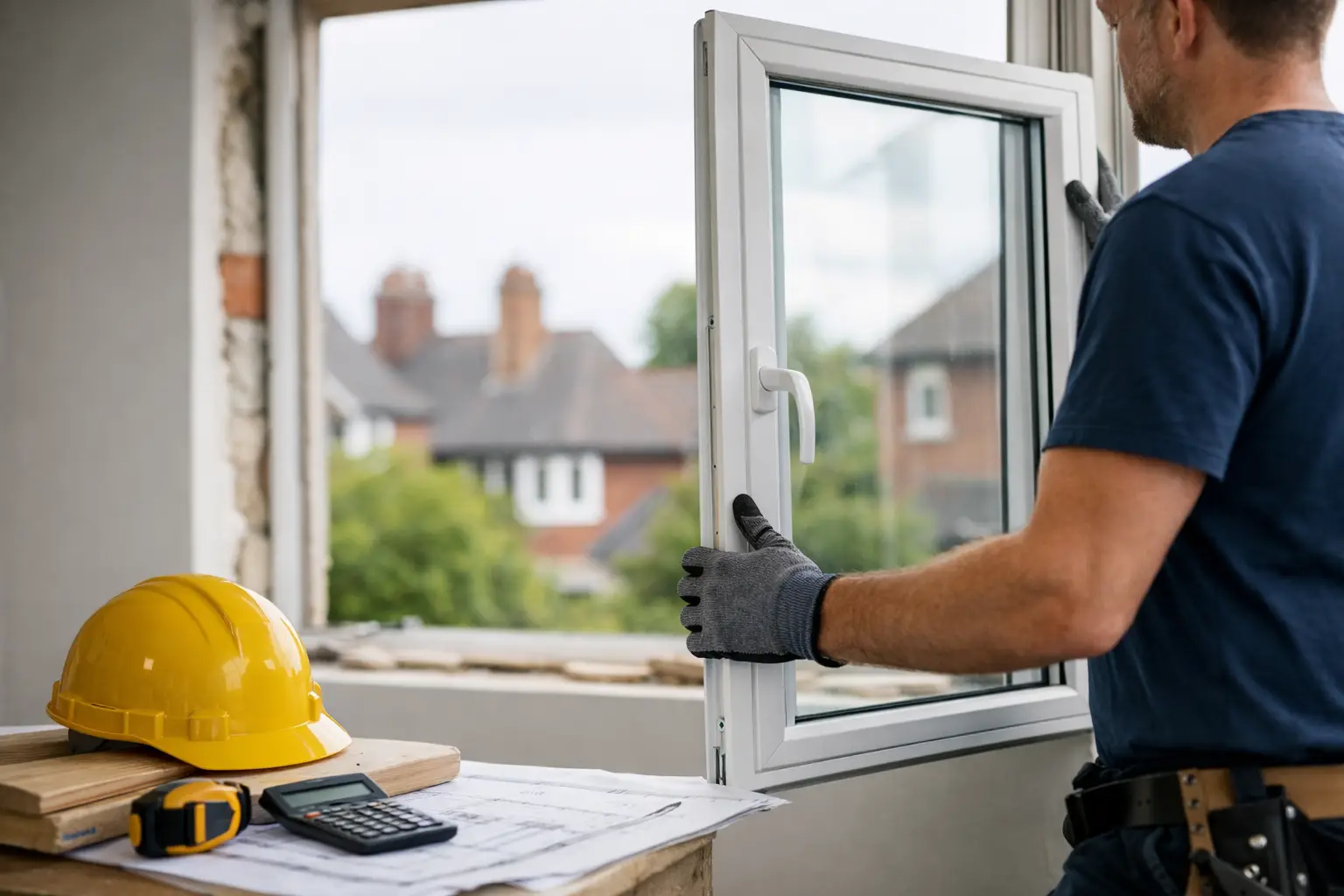
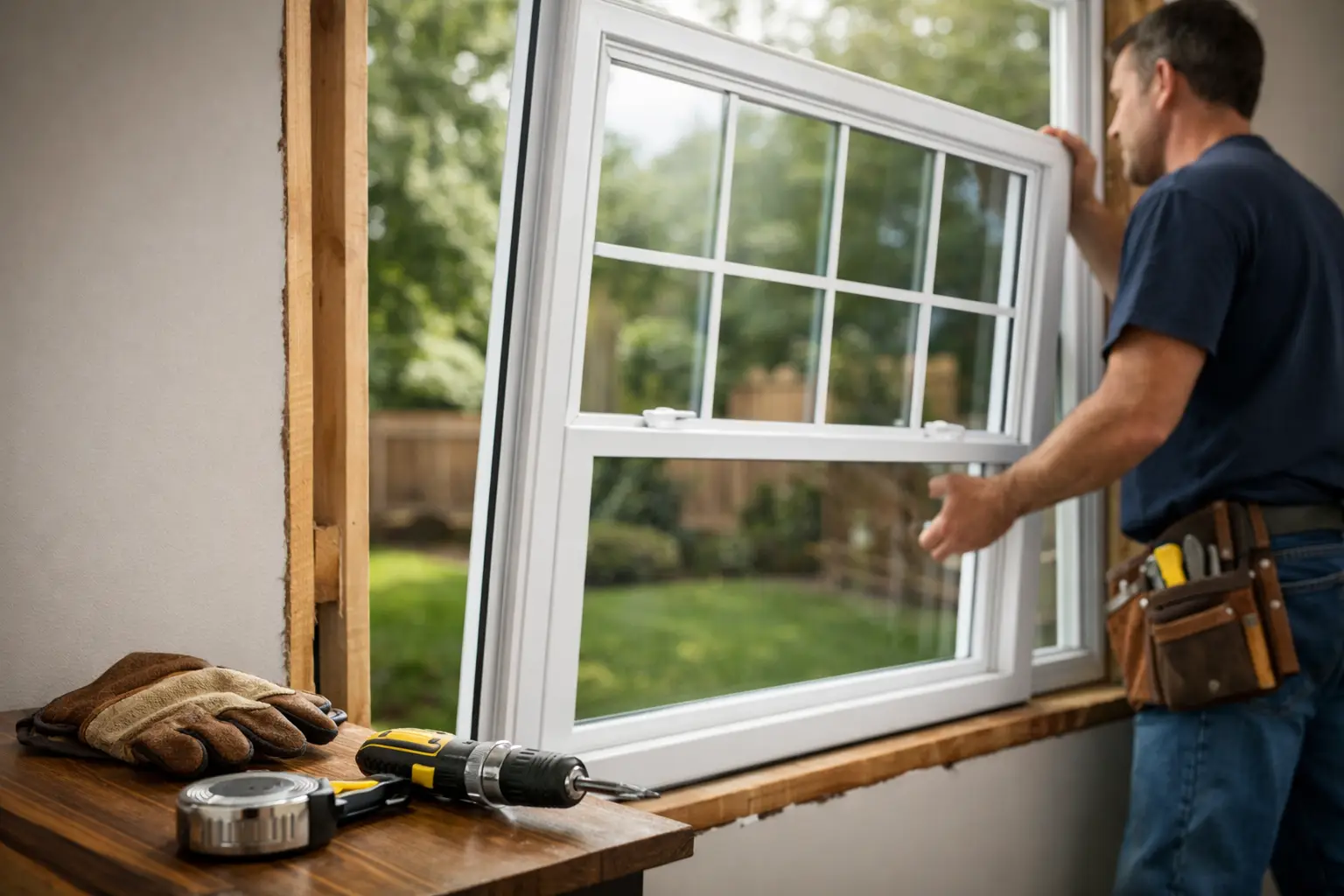
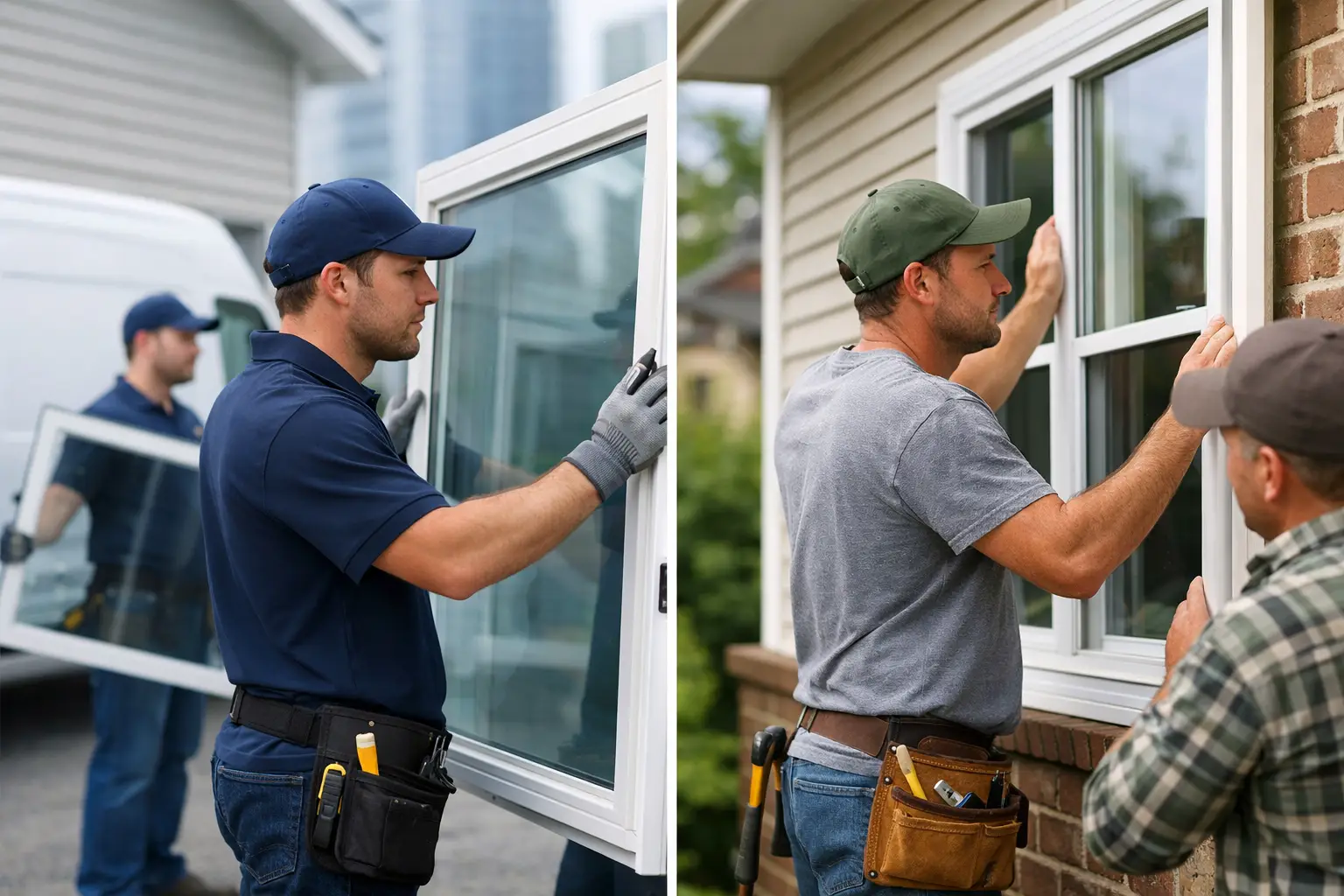
On installation day, the old glazing or old window frames are removed carefully. If it is a full window replacement, the installer will check the opening, make good where needed and fit the new frame securely before glazing it and sealing it properly. The finish around the edges is just as important as the window itself. Poor finishing can spoil both the look and performance.
A good installation should leave the window operating smoothly, sealed correctly and tidy inside and out. It should not feel rushed, and you should not be left with avoidable mess or unanswered questions.
Choosing the right replacement double glazing
When people ask how to replace old double glazing, they often focus on the fitting and forget the product choice. That part has a real impact on how happy you are a few years down the line.
uPVC remains a popular option because it is durable, low maintenance and cost-effective. For many homes, it gives the best balance of performance and value. The style of the frame, the glass specification and the colour finish can all be chosen to suit the property, whether you want something clean and modern or closer to a traditional look.
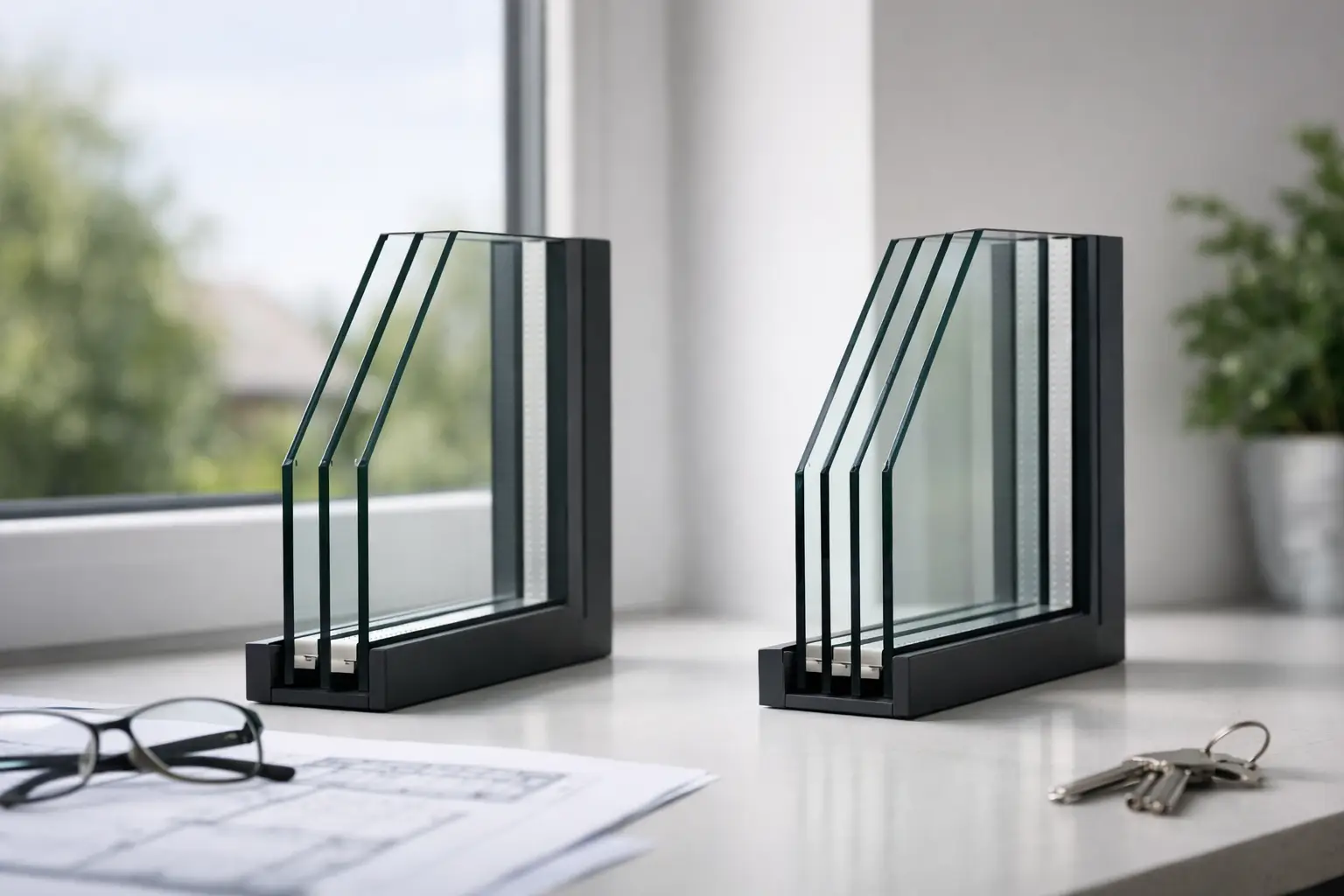
Glass choice matters too. Energy-efficient glazing can help retain heat more effectively, while acoustic glass may be worth considering if you live on a busy road. Some homeowners also choose tougher or laminated glass for added security.
This is where tailored advice helps. The right answer for a family house is not always the same as the right answer for a rental property, a ground-floor flat or a commercial building. A dependable installer should talk through the practical benefits, not just push the most expensive option.
How much disruption should you expect?
Most homeowners are pleasantly surprised by how manageable window replacement is when it is organised well. A straightforward installation can often be completed room by room with less upheaval than people fear. That said, there will always be some noise, some dust and a short period where access around the windows is needed.
Preparation helps. Moving curtains, blinds, ornaments and furniture away from the openings gives the fitters room to work and helps protect your belongings. If you work from home or have young children, it is worth planning around the noisier part of the day.
The bigger factor is who carries out the work. Experienced in-house installers tend to give you a more consistent result because they are directly accountable for the job from survey to finish. That is often more reassuring than being passed between sales staff, surveyors and subcontractors.
What to ask before you go ahead
Price matters, but it should never be the only thing you compare. Ask whether the quote covers removal of the old windows, fitting, finishing trims, sealing and disposal. Check what guarantee is provided and who will actually carry out the work.
It is also worth asking whether the recommendation is for full replacement or glass-only replacement, and why. A clear explanation usually tells you a lot about the company you are dealing with. Honest advice tends to be specific, practical and free from pressure.
If you are comparing quotations, make sure they are genuinely like for like. Cheaper is not always cheaper if the glass specification is lower, the frame quality is weaker or key parts of the work are excluded.
For homeowners in and around Leicester, working with a local company such as CW Doors & Windows can also make the process feel more straightforward. Local reputation matters when you want clear communication, proper aftercare and people who stand by their workmanship.
Is replacing old double glazing worth it?
In many cases, yes. If your current windows are failing, uncomfortable to live with or affecting the appearance of the property, replacement is usually money well spent. The benefits are often felt day to day rather than in dramatic headline figures. A warmer room, less draught, quieter evenings and windows that open and lock properly all make a difference.
The main thing is to replace what genuinely needs replacing, with products that suit the property, installed by people who know what they are doing. That gives you the best chance of a result that lasts.
If your windows have started to show their age, the smartest next step is not to rush into a sales appointment. It is to get straightforward advice, accurate measurements and a clear recommendation based on the condition of your home, because the right replacement should solve the problem properly, not just cover it up.